




It’s completely normal for a child to feel nervous before a dental visit. The unfamiliar setting, new faces, and unusual sounds can feel overwhelming. For many families, children’s dental anxiety becomes noticeable before the very first appointment, and it can feel even stronger if the visit is urgent, such as seeing a kids’ emergency dentist for sudden pain or injury. The good news is that fear of the dentist is common and manageable.
Early positive dental experiences shape how children view oral health for life. At Pearl Dental Group, we understand that managing child dental anxiety requires patience, communication, and a child-focused approach. This guide explains why children become anxious and offers five practical, evidence-informed strategies to help your child feel calm and confident at their next appointment.

Why Are Children Afraid of the Dentist?
Understanding the root of children dental anxiety helps parents respond effectively rather than react emotionally.
Fear of the Unknown
For many children, a dental office feels unfamiliar. Bright lights, instruments, and new sounds can trigger stress during dental appointments. Young children rely heavily on routine and predictability. When that routine changes, anxiety can rise.
The first dental appointment is especially important. If it feels overwhelming, fear may linger. However, when handled gently, that same first visit can build trust.
Previous Negative Experiences
If a child previously experienced discomfort, such as treatment for a broken tooth, they may associate the dental office with pain. Even hearing adults share negative stories about dental care can create anticipatory fear.
Behavioral studies indicate that children often internalize adult emotions. If a parent appears nervous, children may mirror that response.
Separation Anxiety
Some children feel uneasy being away from their parents during procedures. This is especially common in toddlers and preschoolers. Separation anxiety can intensify child’s dental anxiety, particularly during longer procedures.
Read more: “Canadian Dental Care Plan for Children: A 2026 Guide for Families”

5 Proven Ways to Reduce Child Dental Anxiety
Parents play a powerful role in shaping a child’s perception of dental care. These pediatric dental anxiety tips are practical, evidence-informed, and recommended by child behavioral specialists.
1. Start Early and Keep Visits Routine
The Canadian Dental Association recommends early childhood dental care by age one or when the first tooth erupts. Routine check-ups and cleaning appointments help children view dental visits as normal rather than exceptional.
Frequent, non-invasive visits build familiarity. When dental care becomes part of a child’s routine, like school or sports, fear decreases naturally.
2. Use Positive Language at Home
Avoid words like “pain,” “hurt,” or “needle.” Instead, describe the dentist as someone who “counts teeth” or “makes smiles strong.” Role-playing at home can also reduce fear. Pretend to take turns being the dentist and the patient.
This type of parental reassurance directly reduces a child’s dental anxiety by making the experience morepredictable. According to behavioral guidance research, positive framing reduces anticipatory stress in children before healthcare appointments.
3. Choose a Child-Friendly Dental Office
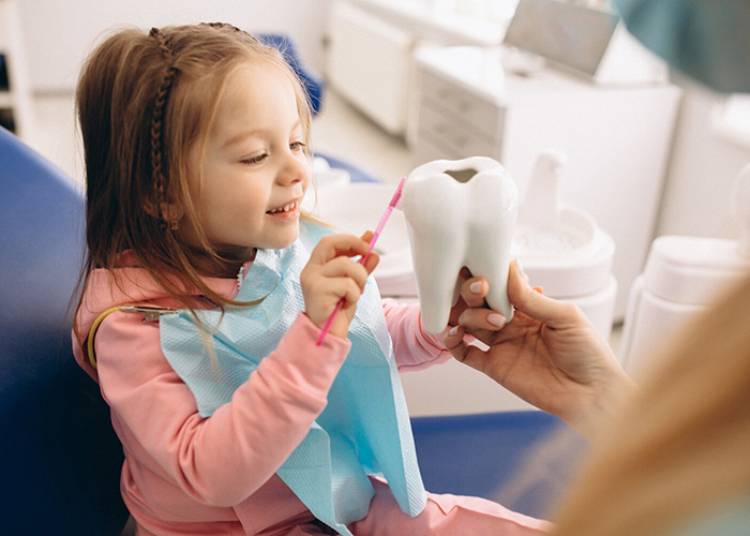
A welcoming environment matters. A practice experienced in children’s dentistry understands how to communicate with young patients. Pediatric-focused teams often use the tell-show-do technique, explaining, demonstrating, and then performing a procedure in simple steps.
At Pearl Dental Group, our approach prioritizes comfort techniques and gradual exposure. As a trusted dentist in Toronto, we aim to create a positive dental experience from the moment families walk through our doors.
4. Stay Calm and Model Confidence
Children observe parental reactions closely. If you appear anxious, your child may assume there is something to fear. Practice calm body language and a relaxed tone of voice.
Behavior modeling is one of the most effective strategies for reducing child dental anxiety. When children see confidence, they often adopt it.
5. Offer Encouragement and Small Rewards
Praise bravery rather than focusing on fear. A small reward after the visit, such as choosing a sticker or planning a fun activity, reinforces positive behavior. Positive reinforcement builds long-term resilience. Over time, repeated successful visits significantly reduce kids’ dental fear.
Read more: “How Pediatric Dentists Restore Your Child’s Smile: Best Solutions”
What Dentists Do to Help Nervous Children
Managing child dental anxiety is not solely a parent’s responsibility. Dental teams trained in pediatric care use specific behavioral guidance techniques to create a sense of comfort.
These include:
- Gentle, child-friendly communication
- Tell-show-do technique
- Distraction methods, such as ceiling screens
- Allowing children to ask questions
- Gradual pacing of treatment
In some cases, mild sedation dentistry may be discussed when anxiety is severe. According to pediatric dental safety guidelines, sedation can be appropriate for certain situations but is always carefully evaluated. As a comprehensive family dentist, Pearl Dental Group emphasizes trust-building before any procedure begins.
Help Your Child Feel Safe and Confident at the Dentist
Support your child’s comfort from the start and build lifelong healthy habits with guidance from our professional team. At Pearl Dental Group, we focus on gentle care and positive experiences to help reduce children’s dental anxiety.
When Anxiety Becomes Dental Phobia
Occasional nervousness is normal. However, persistent panic reactions, refusal to enter the clinic, or physical symptoms like shaking may signal dental phobia.
Dental phobia in children requires early intervention. Ignoring extreme fear can lead to avoidance of preventive care, which increases the risk of cavities, gum issues, and future dental complications.
If a child delays care until pain appears, an urgent visit to an emergency dentist may become necessary, often reinforcing fear. Early intervention prevents this cycle.
The Importance of Preventive Care
Regular preventive care supports both oral and emotional health. Maintaining consistent oral hygiene habits at home, along with routine dental check-ups, reduces the likelihood of painful procedures later.
How Pearl Dental Group Supports Families
At Pearl Dental Group, we believe that reducing child dental anxiety requires a collaborative approach between parents and dental professionals.
Our care philosophy includes:
- Child-centered communication
- Calm and welcoming clinical environment
- Clear explanation of each step
- Preventive-focused treatment plans
- Ongoing parental guidance
We understand that each child is unique. Some need extra reassurance, while others benefit from simple familiarity. Our experienced team adapts gradually to build trust.
Read more: “How to Find an Emergency Dentist Near Me: Quick and Easy Steps”
Building a Lifetime of Positive Dental Visits
Child dental anxiety is common, but it does not have to define your child’s experience. With early exposure, supportive parenting, and the right dental team, children can learn that dental visits are safe, predictable, and even positive. Research published in the International Journal of Environmental Research and Public Health, indexed in PubMed Central, highlights how dental fear in childhood can influence long-term oral health behaviors and future dental avoidance. The goal is not simply to complete a procedure; it is to build lasting trust. When children associate dental care with reassurance rather than fear, they are more likely to maintain regular visits, practice good oral habits, and experience fewer complications later in life.
FAQ
1. Is it normal for my child to fear the dentist?
Yes. Many children experience some level of child dental anxiety, especially during early visits. This fear often decreases with supportive exposure and routine care.
2. At what age should my child first visit the dentist?
The first dental appointment should occur by age one or when the first tooth appears, according to pediatric dental guidelines.
3. Should parents stay in the room?
It depends on your child’s comfort level. Some children feel more secure with a parent present, while others respond better independently.
Is your child experiencing dental anxiety, or have you found a strategy that helped ease their fear? Share your experience or questions in the comments so other parents can learn from you.