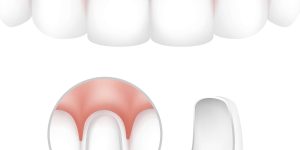



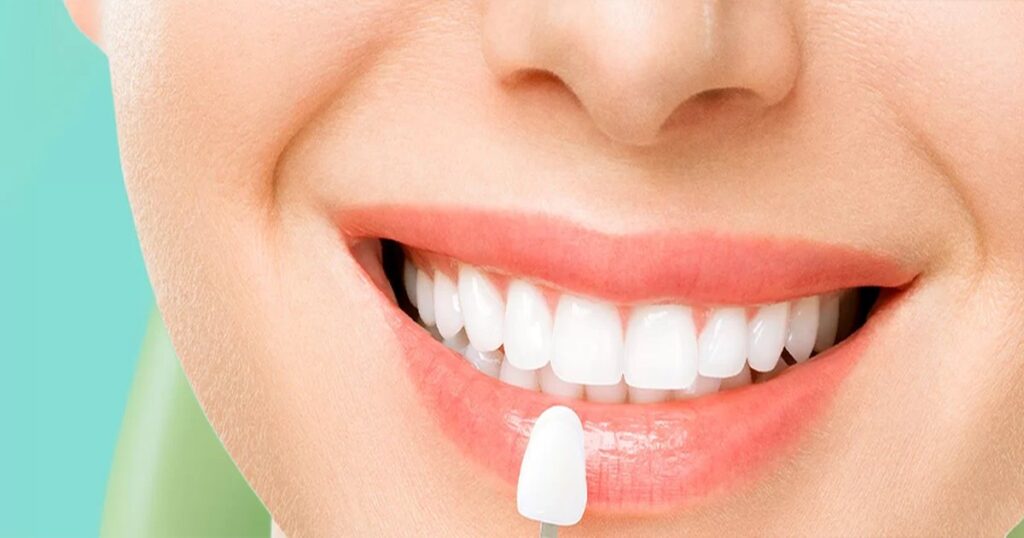
If you’re considering enhancing your smile, one of the first questions you’ll likely ask is: How long do composite veneers last? On average, the composite veneer lifespan is 5 to 7 years. Some patients achieve longer-lasting results with excellent care, while others may need earlier maintenance, depending on lifestyle and bite habits.
Unlike porcelain restorations, composite veneers are made from a resin material that is shaped directly onto the tooth. They are more affordable and minimally invasive, but slightly less durable. In this guide, we’ll break down what affects veneer longevity, what happens over time, and how to protect your investment.

How Long Do Composite Veneers Typically Last?
The answer varies depending on care, habits, and individual bite forces, but clinical experience and published cosmetic dentistry data consistently indicate that the average composite veneer lifespan is 5-7 years.
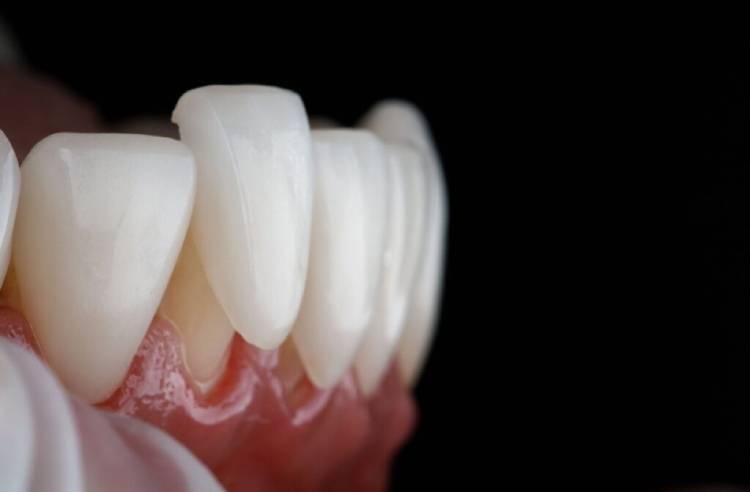
Average Lifespan
Most patients can expect composite veneers to last several years before polishing, minor repairs, or replacement is needed. Because composite material bonds directly to tooth enamel, it offers strong adhesion while preserving natural tooth structure. However, it is more susceptible to wear and tear than ceramic materials.
The key factors influencing veneer durability include oral hygiene, grinding habits, diet, and regular professional monitoring.
Composite vs Porcelain Comparison
When comparing composite vs porcelain veneers, porcelain typically lasts 10–15 years or longer with proper care. It is stronger, more stain-resistant, and custom-fabricated in a dental lab, which increases durability but also cost.
Composite veneers are a more conservative and reversible option. They are usually completed in one appointment and can be adjusted or repaired easily over time. For patients exploring cosmetic enhancement before committing to a full smile makeover, a composite may be a practical first step.
According to Healthline’s overview on veneer longevity, composite veneers generally last 5–7 years, while porcelain veneers often last significantly longer:
What Happens to Composite Veneers After 5 Years?
Understanding what occurs after several years helps patients plan ahead. The composite veneer lifespan does not suddenly end at year five, but natural material changes can occur gradually.
Staining and Discoloration
One of the most common concerns is staining. Unlike porcelain, composite resin is slightly porous. Regular consumption of coffee, tea, and red wine, as well as smoking, can lead to discoloration over time. Even when patients maintain good oral hygiene, surface polishing may diminish gradually.
Professional polishing during routine visits can refresh the surface and restore brightness. However, severe discoloration may require partial resurfacing or replacement.
Read more: “ How Long Do Veneers Last?”
Chipping and Wear
Because composite resin is softer than ceramic, minor chipping can occur, especially in patients who grind their teeth (bruxism) or have heavy bite forces. Edge wear may also appear on front teeth, where cosmetic bonding is commonly placed. The American Dental Association explains that teeth grinding places excessive pressure on restorations and natural enamel alike, increasing the risk of wear over time.
This does not necessarily mean failure. In many cases, small chips can be repaired chairside in a single visit without removing the entire restoration, preserving both the tooth structure and the existing veneer.
Minor Repairs vs Replacement
A major advantage of composite material is repairability. If a composite veneer chips or shows surface wear, dentists can add new resin and reshape it. Full replacement is typically considered when multiple areas show breakdown or when color stability declines significantly.
Patients who experience trauma or a sudden fracture should consult an emergency dentist to assess whether simple bonding can restore function or if replacement is required.
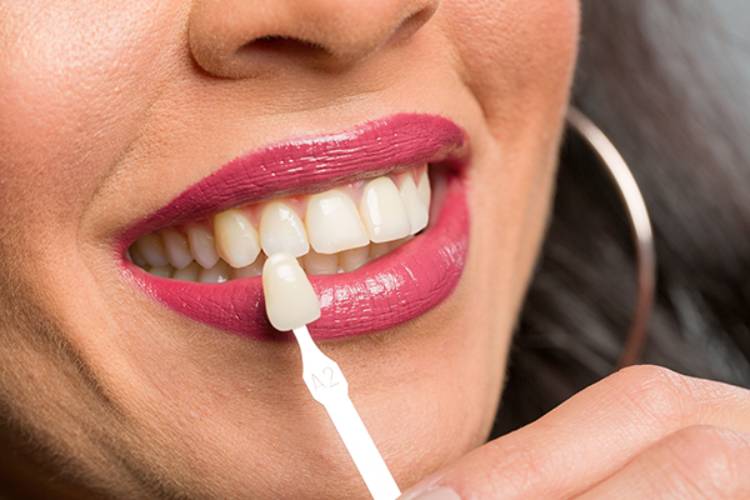
Factors That Affect Composite Veneer Lifespan
Several clinical and lifestyle factors influence the overall composite veneer lifespan. Understanding these can help extend durability.
Oral Hygiene
Consistent brushing and flossing prevent plaque buildup along veneer margins. Gum inflammation can weaken bonding areas and compromise aesthetics. Professional cleanings and a routine dental check-up every six months are strongly recommended.
A well-maintained dental veneer is far more likely to meet or exceed the expected longevity.
Lifestyle Habits
Smoking, nail biting, ice chewing, and pen chewing increase stress on restorations. Bruxism (teeth grinding) is especially significant. Nighttime grinding creates repetitive micro-stress that accelerates wear.
For patients with bruxism, a custom night guard can dramatically improve veneer durability.
Bite and Alignment
Improper bite alignment can concentrate pressure on specific teeth. Before placing veneers, dentists evaluate occlusion patterns to ensure even force distribution.
If alignment issues exist, orthodontic correction or careful bite adjustment may be recommended before veneer placement to protect long-term stability. For patients with other restorations, such as dental implants, balanced occlusal forces are even more critical to protect both natural teeth and prosthetics.
How to Make Composite Veneers Last Longer
Although the average composite veneer lifespan is 5–7 years, proper maintenance tips can extend it.
- Avoid biting hard foods directly with veneered teeth
- Limit staining beverages or rinse after consumption
- Wear a night guard if grinding
- Maintain excellent oral hygiene
- Schedule professional polishing when needed
- Avoid using teeth as tools
Regular monitoring by an experienced dentist in Toronto helps detect minor issues early, before they require major intervention.
Extend the Life of Your Composite Veneers with Expert Care
Routine professional cleanings and regular evaluations play a key role in protecting your composite veneer’s lifespan. At Pearl Dental Group, our experienced cosmetic team uses advanced techniques to maintain your veneers, monitor wear, and keep your smile looking natural and polished for years to come. Book your appointment today and protect your investment in your smile.
Are Composite Veneers Worth It Long-Term?
For many patients, the answer is yes. Composite veneers offer:
- Lower upfront cost compared to porcelain
- Conservative preparation (minimal enamel removal)
- Same-day application
- Easy repair if chipped
- Natural appearance when properly shaped
They are often recommended for younger patients who may later transition to porcelain or for those exploring cosmetic improvements before committing to a permanent solution like a laminate veneer.
Read more: “Types of Dental Veneers”
Expert Approach at Pearl Dental Group
Choosing veneers is not only about appearance, but it’s also about preserving enamel and ensuring functional stability. At Pearl Dental Group, our cosmetic team evaluates:
- Tooth structure and enamel thickness
- Bite alignment and occlusion
- Gum health
- Bruxism risk
- Long-term maintenance expectations
Whether patients are considering a single porcelain veneer, multiple composite restorations, or broader cosmetic planning, our goal is predictable, durable outcomes. We also emphasize preventive care. When needed, procedures such as tooth repair or bonding may be performed before veneers to ensure a stable foundation.
Composite Veneers Can Last Years With Proper Care
The average composite veneer lifespan is 5 to 7 years, but many patients enjoy longer results with consistent care and professional monitoring. While composite material is not as durable as porcelain, it offers affordability, flexibility, and easy repair, making it an excellent option for many cosmetic cases.
Longevity ultimately depends on oral hygiene, lifestyle habits, bite stability, and routine dental visits. With expert placement and proper maintenance, composite veneers can maintain a beautiful, natural smile for years.
FAQ
1. How long do composite veneers last on average?
Most composite veneers last between 5 and 7 years. With proper care, some patients experience even longer durability before needing maintenance.
2. Do composite veneers stain over time?
Yes, composite resin is more porous than porcelain, making it slightly more prone to staining from coffee, tea, wine, and smoking.
3. Can composite veneers be repaired?
Often yes. Minor chips or surface wear can usually be repaired by adding new resin without replacing the entire veneer.
Have you had composite veneers for a few years now?
Do you have any personal tips that helped extend the lifespan of your veneers or keep them looking bright? We’d love to hear your experience. Share your advice, questions, or maintenance tips in the comments below.