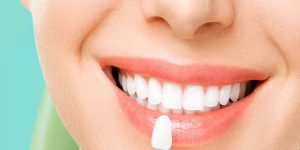



When it comes to improving your smile, the big question is: dental veneers vs bonding; which one is right for you? Both options can fix issues like chipped, stained, or uneven teeth, but they work in different ways. Choosing between dental bonding and veneers depends on what you want to fix and how long you want the results to last. Understanding their differences can help you make the best choice for your smile and budget.
In this article, we will compare dental veneers vs bonding, explore their differences, costs, and longevity. Further, we will discuss each method’s merits to help you decide which is right for you.

Dental Veneers vs Bonding: Key Differences
Before deciding on dental veneers vs bonding, you must understand the key distinctions between the two. Let’s break down their purpose, procedures, and maintenance requirements:
Purpose and Best Use Cases
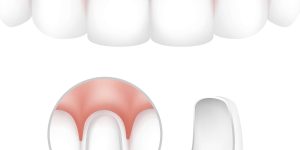
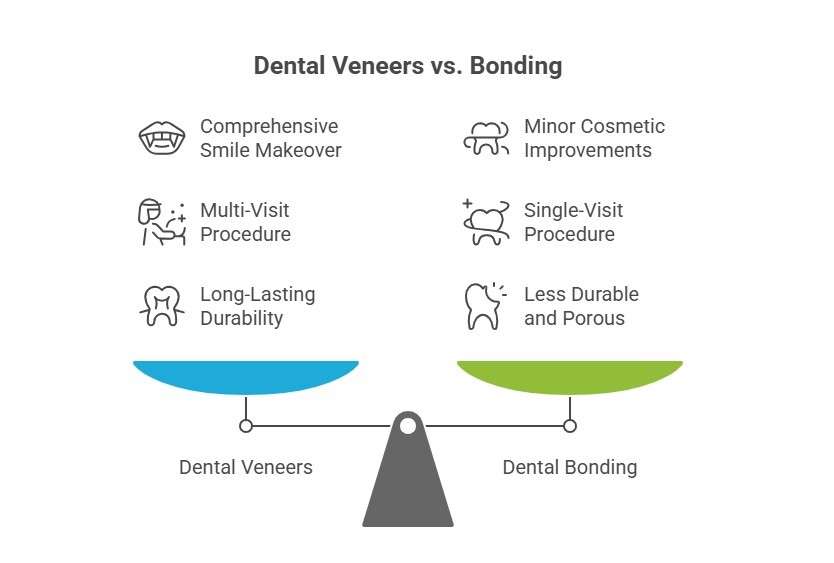
Dental veneers are suitable for achieving a full-on and comprehensive smile makeover. They are customized and thin shells, typically made from porcelain or composite resin, that cover the front surface of teeth. Veneers are an effective solution for resistant stains that don’t respond to conventional whitening treatments. They are also ideal for correcting worn-down enamel, tooth gaps, and crooked teeth that do not need orthodontic treatment. Since veneers cover the entire front surface of the tooth, they can address multiple aesthetic issues simultaneously. Among the various types of veneers, porcelain ones are especially popular due to their natural appearance and durability, making them a go-to choice for a complete smile makeover.
Dental bonding, on the other hand, is better suited for more minor and relatively localized cosmetic improvements. In this method, the dentist applies a tooth-colored composite resin to repair minor flaws. Bonding works well for repairing minor chips, filling small gaps, or covering isolated areas of discoloration. It is also a good option for reshaping a single tooth to match the surrounding teeth. Moreover, you can benefit from bonding as a temporary solution before deciding on a more permanent treatment like veneers. Bonding is a minimally invasive procedure that offers you a quick fix. It typically occurs during a single visit, requiring minimal time per tooth.
For example, if you have a single chipped tooth, bonding might suffice. However, if you’re aiming for a celebrity smile with multiple corrections, veneers are likely the better choice.
Procedure and Application
The dental veneer procedure typically requires two to three dental visits:
First, the dentist evaluates your teeth and may remove a thin layer of enamel (about 0.5–1 mm) to ensure a proper fit. Then, they take impressions of your teeth and send them to a lab to craft custom porcelain or composite veneers. During your final visit, the dentist bonds the veneers to your teeth with a strong adhesive and performs extra adjustments for comfort and aesthetics.
Bonding is much simpler and faster!
First, the dentist applies a conditioning gel to prepare the tooth’s surface, then molds the composite resin directly onto the tooth. They make sure that the resin is shaped, hardened with a special light, and polished to blend seamlessly with your natural teeth. The entire bonding process often takes 30–60 minutes per tooth and requires no lab work.
Durability and Maintenance
Veneers are designed for durability. Porcelain veneers last 10 to 15 years or more with proper care. They are highly resistant to staining from coffee, tea, wine, and smoking, and require no special cleaning beyond regular brushing, flossing, and dental checkups, thanks to their non-porous surface! However, patients should commit to standard veneer maintenance aftercare and avoid biting down on hard objects like ice or pens, since they can rupture and damage the veneers.
On the other hand, bonding is less durable. It typically lasts for 3 to 10 years and may need regular touch-ups or replacements, depending on the material and your oral habits. The resin material is more porous than porcelain, meaning that it is more susceptible to stains and discoloration over time. Good oral hygiene and avoiding stain-causing foods and drinks can help you maintain the results for a longer time.
| Feature | Dental Bonding | Dental Veneers |
| Material | Composite Resin | Porcelain or Composite Resin |
| Best for | Small chips, gaps, and minor stains | Prominent discoloration, uneven teeth, and long-term fixes |
| Procedure Time | 30-60 minutes per tooth | Requires two visits (prep + application) |
| Durability | 3-10 years | 10-20 years |
| Stain Resistance | Prone to staining over time | Highly stain-resistant |
| Tooth Preparation | Minimal (no enamel removal) | Requires enamel removal |
| Cost per Tooth | $300 – $600 | $300 – $1,200 |
| Reversibility | Yes, it can be removed | No, permanent change |
According to Healthline, while veneers last longer and resist stains better, bonding is entirely reversible and less invasive, making it an excellent option for those unsure about permanent changes.
Still Unsure About Dental Veneers vs Bonding?
Contact Pearl Dental Group Today!
Cost and Longevity Comparison
Cost is a significant factor when comparing dental veneers vs bonding.
Porcelain veneers typically cost between $800 and $1,200 per tooth, depending on the dentist’s expertise, location, and the materials used. Composite veneers are slightly cheaper, ranging from $300 to $600 per tooth. Their longevity (10 to 15 years for porcelain, 5 to 10 for composite) makes them a worthwhile deal for long-term results.
Dental bonding is relatively more affordable, costing between $300 and $600 per tooth. However, its shorter lifespan (3 to 10 years) means you may need repairs or replacements sooner.
Neither of the procedures is in the list of CDCP’s covered services, since they’re considered cosmetic. Still, some insurance plans may contribute if the treatment addresses functional issues, like cracked teeth.
Always check with your provider for specifics.
Pros and Cons: Dental Veneers vs Bonding!
Cosmetic dentistry gets a lift with veneers and bonding; both are safe bets for a sharper smile if you weigh their perks against their quirks and handle them right. These fixes can address discoloration or chips, but they’ve limitations and ongoing maintenance to consider. Here’s the rundown to see what fits:
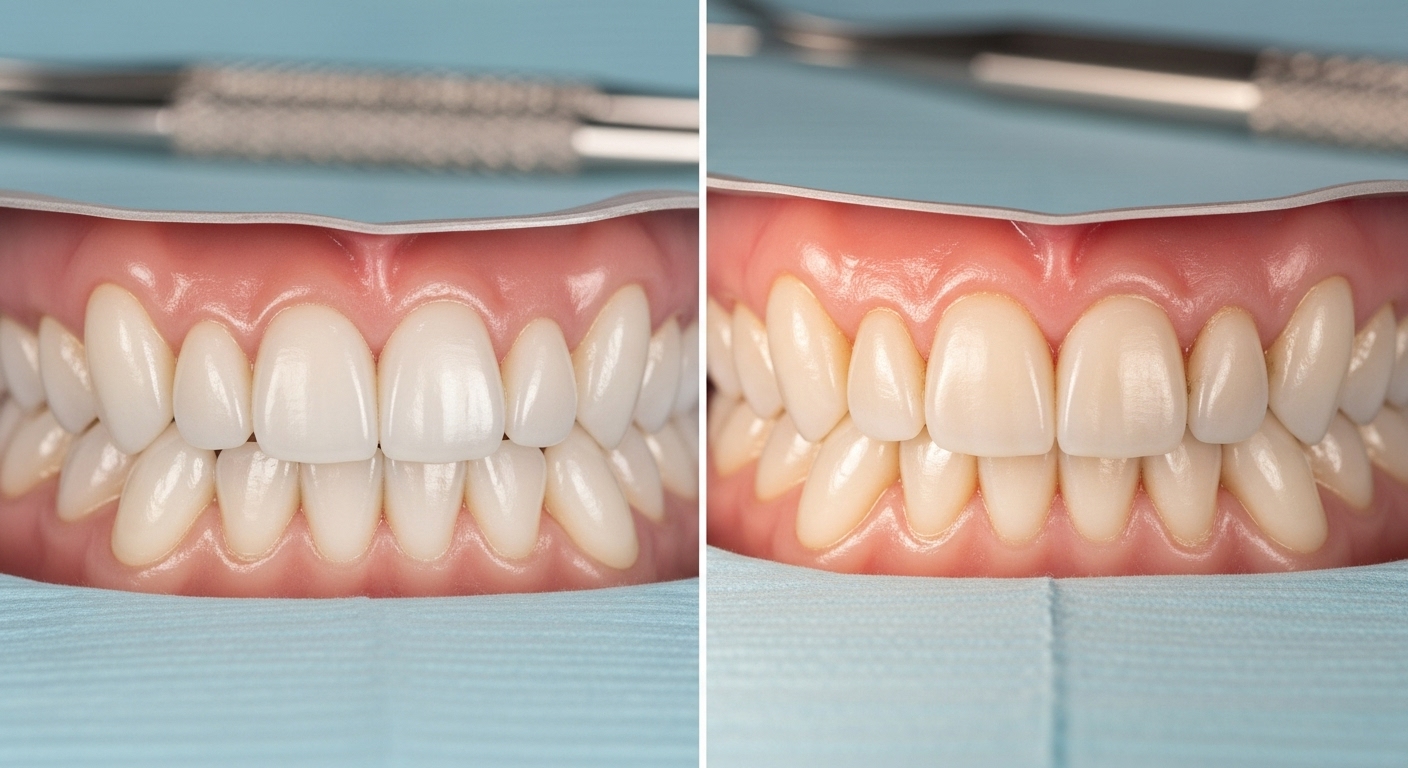
Dental Veneers: The Ups and Downs
Due to their longevity, stain resistance, polished look, and high costs, the pros and cons of veneers are very dependent on each patient’s profile. Let’s have an overview of this treatment’s features:
- Pros:
- Big Glow-Up: Veneers slap a bright, even finish on yellowed, chipped, or gapped teeth; think porcelain’s stain-proof shine that can last 10-15 years with gentle habits.
- Low Invasion: Only a thin enamel slice (0.5-1 mm) is shaved, resulting in less tooth tinkering than crowns and keeping things safe and simple for solid teeth.
- Cons:
- Fragile Edge: They’re not chew-proof; crunching ice or hard candy can crack them, and fixing means a complete redo, not a patch.
- Cost Kick: $800–$1,200 per tooth; porcelain’s pricier but tougher, so your wallet feels it upfront.
Bonding: What It Brings and Drops
In contrast, dental bonding offers less longevity and protection against staining, but it is more affordable. Let’s review some of the benefits of dental bonding and its possible cons:
- Pros:
- Quick and Cheap: A resin layer molds over flaws like chips or stains in one visit, $300–$600 per tooth, making it a lighter hit than veneers for cash and time.
- Gentle Start: No enamel carving, just a rough-up and glue, safest for seniors dodging drills if the tooth isn’t too severely damaged.
- Cons:
- Short Run: Lasts 3-7 years; resin stains more easily (coffee’s a foe) and chips under pressure, needing touch-ups sooner than veneers.
- Less Polish: Doesn’t mimic teeth’s natural gleam as well; can look flatter next to porcelain’s pop, especially as it wears.
How They Stack Up for Safety
Veneers: Safe with a pro who nails the fit; poor bonding can irritate gums, but risks drop with quality work and skipping hard bites. Cosmetic dentistry for seniors relies on veneers for lasting results, provided the teeth are strong enough.
Bonding: Safer short-term; minimal prep cuts complications, though staining or breaks mean more dentist trips. Perfect if you’re testing the waters without significant changes.
Based on our practice, dental veneers vs bonding, from what we’ve seen: Veneers are a go-to for patients wanting a lasting fix, especially seniors aiming for a youthful, stain-resistant smile. When properly bonded, they hold up well, but poor placement can irritate the gums, so precision is key. We’ve had patients thrilled with how natural they look, especially those who were hesitant but later surprised by how seamless the transition was
Which Option is Right for You?
Ultimately, deciding on dental veneers vs bonding depends on your goals, budget, and dental needs.
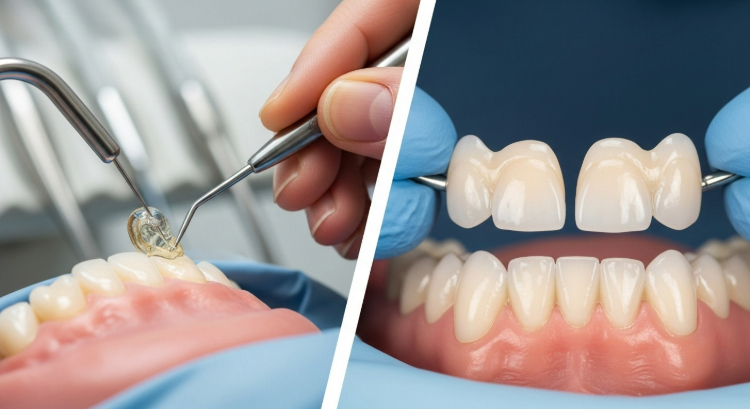
Veneers are best if you want a long-term and dramatic transformation, especially if you have multiple cosmetic concerns like severe discoloration, gaps, or misalignment. Bonding is ideal for those with minor imperfections, like a chipped or slightly discolored tooth. It is a safe choice if you’re looking for a quick and budget-friendly solution. It’s also a good choice if you prefer a reversible procedure or wish to avoid enamel removal.
In some cases, dentists can combine both treatments; for example, they use veneers for the most visible front teeth and bonding for less noticeable minor repairs. If you need to decide between these two options, consider factors such as cost, longevity, and the severity of your dental concerns. Consult with a dentist to assess your teeth and discuss your smile goals. They can recommend the best option based on your oral health, lifestyle, and budget.
FAQ
-
Dental veneers vs bonding: What is the main difference?
Veneers are thin shells (made of porcelain or composite) that cover the entire front of the tooth. They work best for significant cosmetic changes. Bonding involves using resin to fix minor flaws. It is applied directly to the tooth’s surface.
-
Which option is better for fixing chipped or discolored teeth?
Bonding is ideal for small chips or mild discoloration, while veneers are better suited for severe cases or multiple teeth that require a uniform appearance.
-
Dental veneers vs bonding: Which lasts longer?
Veneers (especially porcelain) last 10 to 15 years, while bonding typically lasts 3 to 10 years.
-
Do veneers or bonding require enamel removal?
Veneers often require removing a thin layer of enamel, which puts them among the irreversible procedures. Bonding typically requires little to no enamel removal.
-
Can bonding or veneers stain over time?
Porcelain veneers are highly stain-resistant. Bonding is more prone to staining from coffee, tea, or smoking.
-
Which option looks more natural on teeth?
Porcelain veneers often look more natural due to their translucency and personal customization. Bonding can look natural; however, it may lack uniformity in complex cases.
-
Is dental bonding reversible, unlike veneers?
Yes, bonding is reversible since it involves minimal tooth alteration. Veneers are permanent because they involve removing enamel.
Have you ever tried veneers or bonding to improve your teeth? Share your experience or drop your questions in the comments so others can learn from you.