



Getting a dental crown is a significant investment in your oral health, designed to restore the function, strength, and appearance of a damaged tooth. Whether you’ve received a temporary dental crown or your new permanent restoration has just been cemented, the first few days (and the long-term habits you form) are crucial for its success.
Learning what foods to avoid after a dental crown matters because the wrong choice can lead to a dislodged crown, a chip, a crack, or even damage to the underlying tooth. Protect your smile investment by knowing exactly which foods to skip and which habits to break. In this guide, we will explore the foods and textures that pose the greatest threat to your new dental crown, what you can eat after your procedure, and how to prolong its longevity.
Quick Guide: Foods to Avoid After a Dental Crown
| Food Category | Examples | Primary Danger | Avoid (Temporary Crown) | Limit (Permanent Crown) |
| Hard/Crunchy | Ice, Hard Candy, Nuts (Almonds, Pecans), Popcorn Kernels, Hard Pretzels, Uncut Raw Vegetables | Fracture, Chip, or Cracking the Crown | Strictly Avoid | Avoid (Especially chewing on the crowned side) |
| Sticky/Chewy | Chewing Gum, Caramel, Toffee, Taffy, Gummy Candies, Dried Fruits, Tough Cuts of Meat (Jerky, some Steak) | Dislodgement (Pulling the Crown Off), Loosening the Cement | Strictly Avoid | Exercise Extreme Caution |
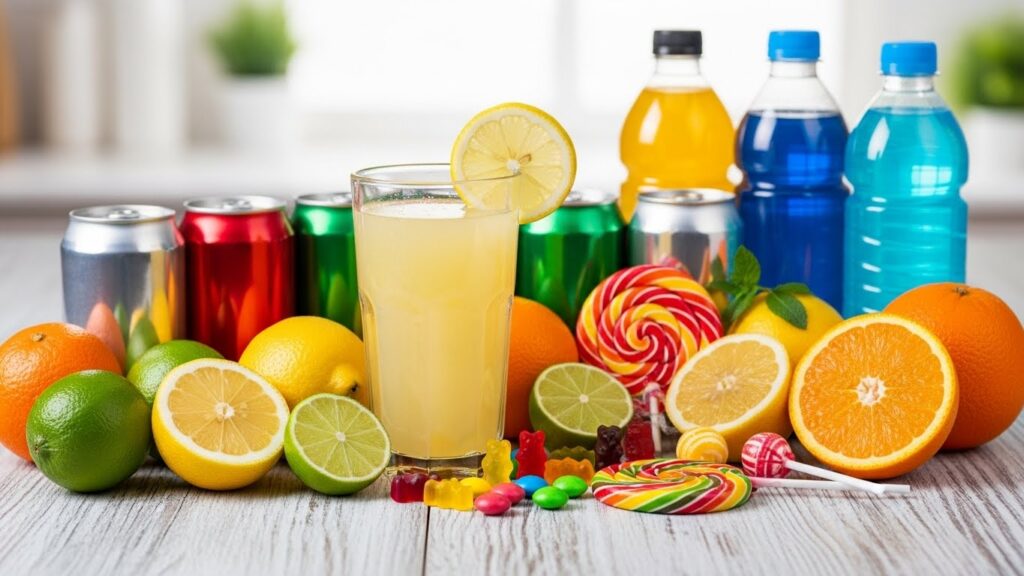
| Acidic/Sugary | Sodas, Sports Drinks, Citrus Juices, Excessive Candy | Erosion of the Cement Margin, Decay on the underlying tooth | Strictly Avoid (Especially near the gum line) | Limit Consumption |
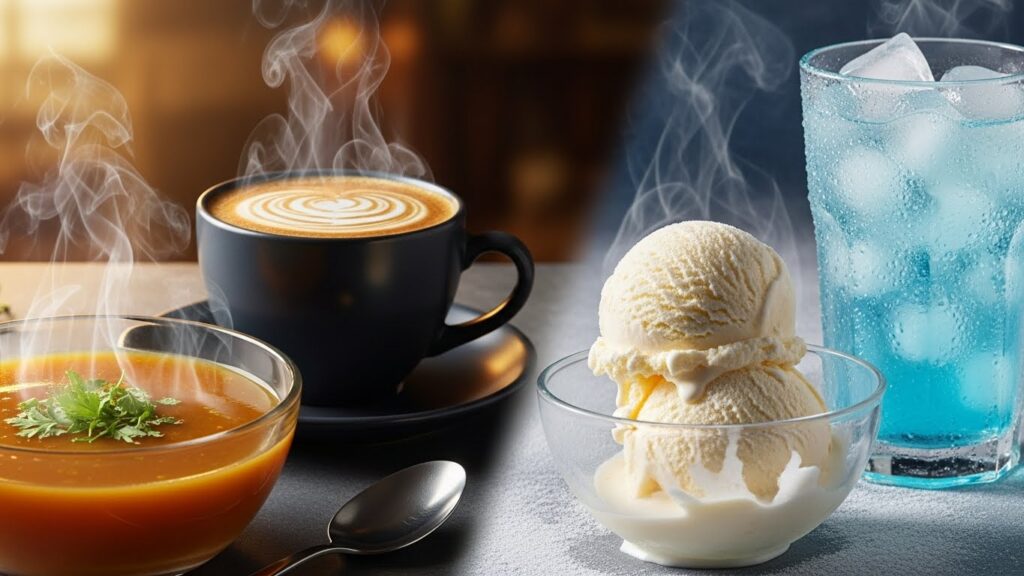
| Temperature Extremes | Ice Cream, Very Hot Coffee or Soup | Increased Tooth Sensitivity, Discomfort | Limit or Avoid | Limit until sensitivity subsides |

Read More: Dental Crowns: Who’s a Good Candidate?
Danger Zone #1: Hard and Crunchy Culprits!
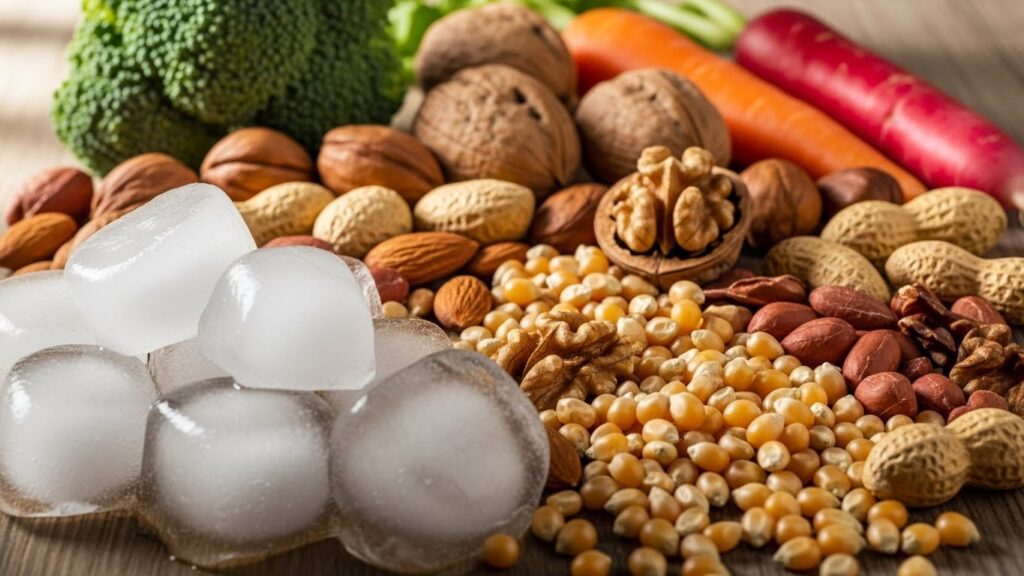
Biting down on something hard is the fastest way to cause a mechanical failure in your new crown. While modern materials like zirconia and porcelain are strong, they are not impervious to concentrated force. This is the main category of foods to avoid after a dental crown, whether temporary or permanent.
Why Temporary Crowns Need Extra Care
A temporary crown is seated with temporary cement, which is designed to be easily removed by your dentist. This means the crown is much more vulnerable to being pulled off or fractured. For the first 24-48 hours, and throughout the period you wear your temporary, you must chew exclusively on the opposite side of your mouth and follow all “Strictly Avoid” guidelines for the foods to avoid after a dental crown.
The Silent Destroyer: Popcorn Kernels and Ice
Two common culprits often cause emergency dental procedures. First, chewing ice cubes subjects any restoration to sudden, extreme temperature shifts and pressure, leading to microfractures. It is one of the worst habits for any dental work. Second, an unpopped popcorn kernel, or even the hard shell of a popped piece, can act like a tiny stone. Biting down unexpectedly on this hard object can cause immediate crown failure.
Caution with Healthy Snacks (Nuts and Raw Veggies)
Many healthy foods require excessive chewing force. While beneficial for your overall health, they’re still among the foods to avoid after a dental crown; certain raw, firm items can pose a risk. For instance, almonds, peanuts, and walnuts require a crushing force that can crack or dislodge a crown.
For raw carrots and apples, instead of biting directly into these firm foods, cut them into small, manageable pieces and chew gently with your back teeth on the non-crowned side. Consider steaming or cooking vegetables to soften them.
Danger Zone #2: The Sticky Situation!
Sticky foods are the second most important foods to avoid after a dental crown, since they threaten the bond holding your crown in place. If the food adheres to the crown more strongly than the crown adheres to the tooth, it will pull the restoration off. This is especially true for temporary crowns.
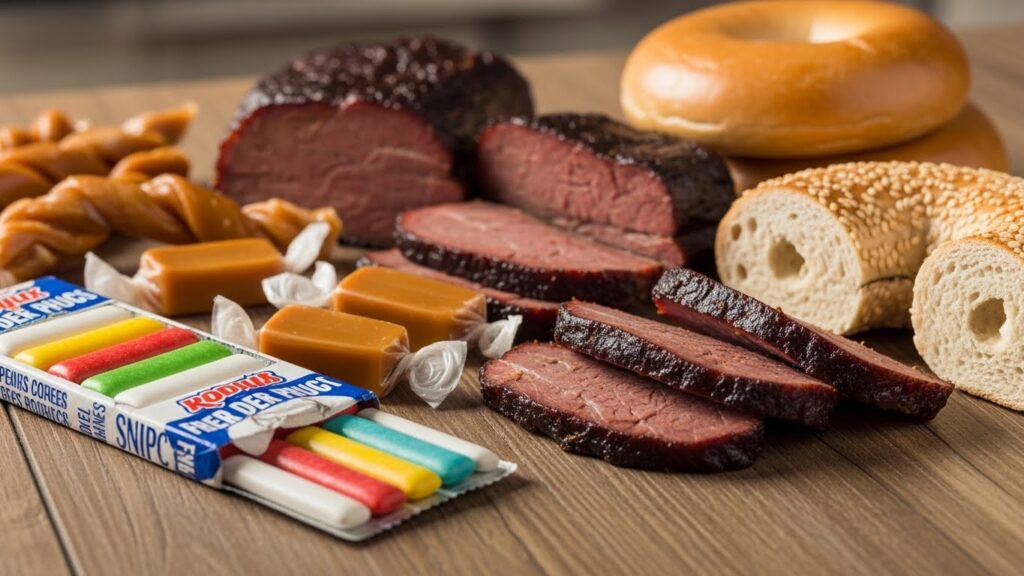
Gum, Caramel, and Taffy (The Crown-Pullers)
Any substance with high adhesive qualities is among the foods to avoid after a dental crown. The repetitive, aggressive stickiness of gum is a prime cause of crown dislodgement, particularly for temporaries. Caramels, toffee, gummy bears, and other chewy candies are engineered to stick. Avoid them entirely. Moreover, even healthy dried fruits, such as raisins, dates, and dried apricots, are highly viscous and sticky.
Chewy Fibrous Foods (Tough Meats and Bagels)
Fibrous and dense foods put significant strain on the crown when they are torn and ground. Steaks, beef jerky, and pork chops that require extensive, prolonged chewing should be substituted with softer proteins like flaked fish, ground chicken, or slow-cooked tender cuts. Moreover, hard crusts on baguettes, tough bagels, or firm rolls demand too much tearing force from your teeth.
Contact Us for Comprehensive Dental Care
Wondering if you need a new dental crown or proper care for your current ones?
Contact Pearl Dental Group Today to get the best treatment!
Danger Zone #3: Acidic and Sugary Offenders!
While your crown material itself cannot develop a cavity, the underlying natural tooth structure and the crown margin (where the crown meets the gum line) remain vulnerable. Excessive sugar feeds the bacteria in your mouth, accelerating decay. If this decay develops at the margin, it will weaken the crown’s foundation and necessitate replacement procedures.
On the other hand, highly acidic items like lemon juice, citrus fruits, carbonated sodas, and sports drinks can slowly erode the bonding cement that holds a permanent crown in place, potentially causing it to loosen over time.
Danger Zone #4: Extreme Temperatures
Tooth sensitivity is common immediately after a dental crown procedure. The nerves inside the treated tooth may be irritated, causing sharp discomfort when exposed to rapid temperature changes. For the first few days, avoid consuming extremely hot foods, such as piping-hot coffee, tea, or soup, and extremely cold foods, such as ice cream, popsicles, and iced drinks. Stick to lukewarm or room-temperature foods and beverages until your sensitivity subsides.
What You Can Eat: A Gentle Diet for Recovery
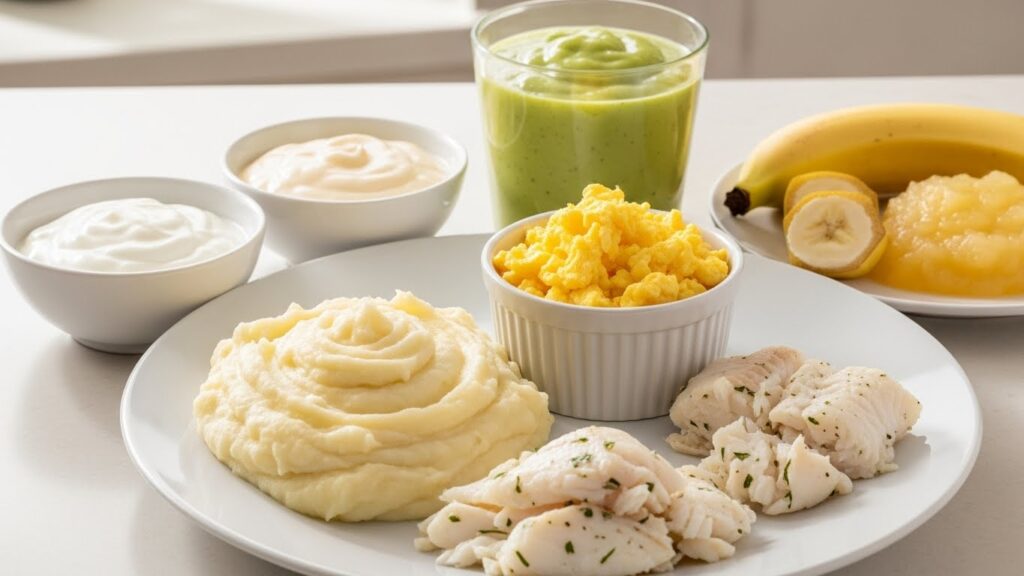
Now that we discussed the foods to avoid after a dental crown, let’s focus on what you can eat! Soft, nutrient-rich foods that require minimal chewing, especially in the first 24-48 hours, are among the best options:
- Mashed potatoes
- Yogurt and puddings
- Scrambled eggs
- Soft-cooked fish or ground meats
- Smoothies (avoid small, hard seeds like those found in raspberries or blackberries)
- Soft fruits (bananas, avocado, applesauce)
Longevity Tips for Your Permanent Crown
A permanent crown is designed to last for years, but its longevity depends on your habits. Maintaining a routine allows you to keep your teeth healthy for a longer time.
- Chew Mindfully: Avoid biting hard foods directly with the crowned tooth.
- Excellent Oral Hygiene: Brush twice daily with a non-abrasive, fluoride toothpaste. Floss daily, but be careful not to snap the floss into the crown margin; slide it out gently from the side.
- Avoid Non-Food Items: Never chew on pens, fingernails, or open bottles with your teeth.
- Regular Check-ups: Visit your dentist regularly to monitor the fit and integrity of your crown margins during every exam.
Read More: Best Alternatives to Dental Crowns
Preserve Your Smile with Proper Crown Care
Investing in a dental crown is a commitment to a healthier, fully functional smile. According to WebMD, dental crowns last 5 to 15 years; however, their success depends not only on the dentist’s skill but also on the care and attention you provide at home. By steering clear of the hard, sticky, and highly chewy items we’ve outlined, you are actively protecting the integrity of your restoration and extending its lifespan.
Remember, this care is crucial for avoiding immediate emergencies and ensuring the long-term health of the underlying tooth. Whether you have questions about the procedure or feel discomfort with your crown, do not hesitate to contact us to receive immediate care from the best emergency dentists in North York, Toronto.
FAQ
-
How long should I avoid chewing on my dental crown?
If you have a temporary crown, avoid chewing on that side completely until the permanent crown is placed. With a new permanent crown, restrict hard/sticky foods for at least 24 hours, and then reintroduce foods gradually and gently.
-
Can I drink coffee after getting a crown?
Yes, but wait until the anesthetic wears off and drink it only when it is lukewarm, not piping hot, to avoid sensitivity.
-
Why are sticky foods so dangerous for a crown?
Sticky foods like caramel or gum adhere strongly to the crown surface and can exert enough pulling force to loosen or dislodge the temporary or even a new permanent crown.
-
Is it safe to eat bread with a new crown?
Soft white bread or sliced whole-wheat bread is generally fine. Avoid crusty baguettes, tough sourdough, and dense bagels that require forceful chewing.
-
Can I use a straw after the crown procedure?
Yes, using a straw is safe after a crown, unlike after a tooth extraction. It may even help bypass sensitivity to cold liquids.
-
Should I floss around my new crown?
Yes, but be gentle. Instead of pulling the floss up and out, slide it out from between your teeth (to the side) to avoid catching the crown edge.
-
What if I accidentally chew gum with a temporary crown?
Stop immediately. If the crown feels loose or falls off, save the crown and call your dentist immediately for a recementation appointment.
-
Do I have to avoid ice and hard candy forever?
While permanent crowns are strong, chewing ice or hard candy carries a permanent risk of chipping or cracking the crown (and natural teeth). It is best to avoid this habit in the long term.
-
Why should I avoid soda if my crown can’t get a cavity?
Soda’s sugar and acid can cause decay at the crown’s margin (where it meets the tooth) and the natural tooth structure underneath, compromising the crown’s foundation.
-
What are the safest foods to eat right after the procedure?
Mashed potatoes, yogurt, soft soups (lukewarm), scrambled eggs, and bananas are excellent, soft choices for immediate recovery.
Do you have a dental crown? How did your dentist explain the foods to avoid after a dental crown placement? Share your experience or drop your questions in the comments so others can learn from you.