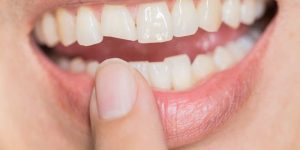



Can a knocked-out tooth be saved? Yes, in many cases, a knocked-out tooth, also known as an avulsed tooth, can be saved if you act fast and follow the right steps. It can happen at any moment, while doing sports, climbing stairs, or even driving; what matters in these moments is to keep your cool, and if you do well, there’s a solid chance that your tooth can be reattached. If you take these steps, the chances of saving your knocked-out tooth become much higher:
- Find the tooth and handle it only by the crown (the white chewing surface), not the root.
- Rinse the tooth gently with milk, saline, or water if it’s dirty. Do not scrub, use soap, or dry it.
- Try to reinsert the tooth gently into its socket, root first.
- If it fits back in, bite down gently on a clean cloth, gauze, napkin, or handkerchief to keep it in place.
- If reinsertion isn’t possible, store the tooth in milk, saline, or saliva (spit into a container if needed).
- Seek emergency dental care immediately; ideally within 30-60 minutes.
The rest is up to your dentist and some luck steering you clear of complications, such as a contaminated socket, pulp infection, or immune system rejection. This guide will cover everything you need to know about tooth reattachment, what to do immediately, long-term care options, prevention tips, and more. We’ll explain everything in a simple way so that you can handle this issue with as much ease as possible.

What to Do Immediately After a Tooth Gets Knocked Out
“I’ll never forget the time I was at my son’s soccer game, cheering him on, when he took a stray ball right to the face. One of his front teeth popped right out, and I could clearly see the shock on his face. My heart was pounding, but since I knew exactly what to do, we managed to save his tooth. Afterward, I was just so glad that I kept my cool and acted fast!” said Dinna. So you see, getting your tooth knocked out is scary and can put you through a lot of stress, but the important thing is to stay calm and follow these steps:
Remember, this is a dental emergency, and it needs immediate care, so don’t beat around the bush and just go to your dentist or a dental emergency clinic. From there on, you can leave it to the professionals and consider it taken care of. Take note that even by doing these steps, your knocked-out tooth might still not be saved, but without them, consider your chances to be almost zero.
What to Avoid After a Tooth Gets Knocked Out
We’ve discussed what needs to be done in case your tooth gets knocked out, but how about the things that should absolutely be avoided? Here’s what you need to know not to ruin the chances of saving your tooth:
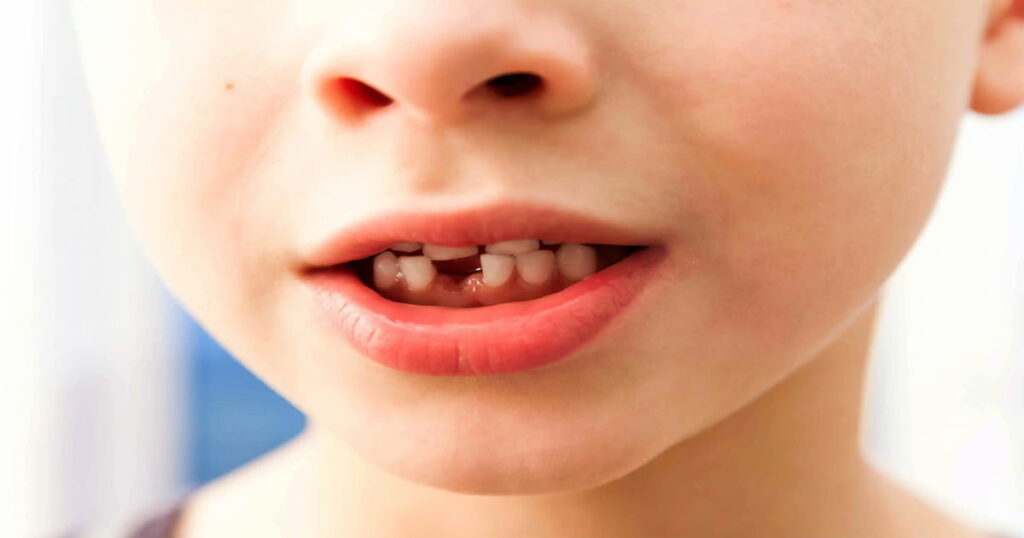
Do not try to reinsert a baby tooth; doing so could harm the permanent tooth growing underneath. Never scrub or clean the root surface, even if it looks dirty; those delicate tissues are crucial for reattachment, and scrubbing can destroy them. No storing the tooth in water, because it can damage the root cells, and no drying the tooth either. ِِDon’t wrap it in tissue or cloth or leave it exposed to air, as it can kill the root cells in minutes.
Moreover, you should avoid using disinfectants, such as soap, alcohol, or peroxide, to clean the tooth; these chemicals will destroy the vital tissues needed for a successful reimplantation procedure. Don’t force the tooth back into the socket if it doesn’t go in easily, since it could cause more damage to the tooth socket. And as mentioned in the last part, do not delay getting to a dentist, because waiting too long will seriously lower the odds of saving that avulsed tooth.
Need Urgent Dental Help in North York?
Time is critical when dealing with a knocked-out tooth or any other dental emergency. Don’t wait, call Pearl Dental Group immediately for expert emergency care and the best chance of saving your tooth!
Can a Knocked-Out Tooth Be Reattached?
As mentioned earlier, a knocked-out tooth can definitely be reattached, but there are two factors that play a huge role in reattachment success or not: how long it takes for you to get to the dentist, and also how you handle and store the tooth. To increase your chances of saving that smile, we are going to delve into both of these factors:
Timeframe for Successful Reattachment
When it comes to tooth reattachment, time is everything, even if the tooth has been handled properly. According to Cleveland Clinic, teeth treated within 30 minutes to one hour have the best chance of success. So, the sooner you get to a dentist, the better the chances of successful root reattachment. If things take longer than 30- 60 minutes, it is much harder for the tooth to take hold in the socket again.
As mentioned earlier, if you get to a dentist within 10 to 15 minutes, the odds of your tooth’s survival are as good as it can get, because the root tissues are most viable for reimplantation. To sum everything up, don’t waste even a minute; grab that tooth, store it properly, and hurry to the dentist for emergency dental care.
Proper Handling and Storage of the Tooth
Handling a knocked-out tooth the right way is as important as when you get to a dentist. Just as said before, always pick up the tooth by the crown, not the root. Those tiny root cells are super fragile, and rough handling can ruin the chances of reimplantation. If the tooth’s dirty, rinse it gently with water or milk; milk is actually the better option since its pH level is very close to the body’s, and that helps with tooth preservation.
In addition, never use soap, alcohol, or anything harsh for rinsing, and don’t scrub or dry the tooth either. If you can’t put the tooth back in the socket, store it in milk, saliva, or a saline solution. There are even special tooth preservation kits you can buy, but realistically speaking, most people don’t carry those around. In general, the key is to keep the tooth moist to protect its root and give it a better chance at the reimplantation procedure.
When to See a Dentist Urgently
A knocked-out tooth is a dental emergency, so you have to act quickly to be able to save the tooth. Even if you manage to pop the tooth back in the socket, a dentist needs to check it out to make sure it’s stable and the root isn’t damaged. If you do not take the steps mentioned in the last parts, you may face complications like infection or damage to the tooth socket. To avoid these complications, find the nearest emergency dental clinic or contact your own dentist if they provide emergency services, and let the professionals take it from there.
What Happens If Reattachment Isn’t Possible?
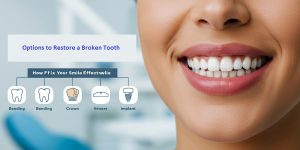
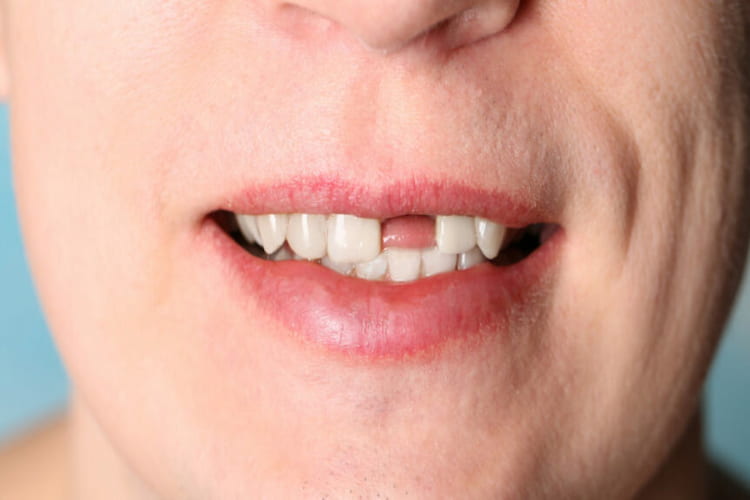
Sometimes, despite your best efforts and your dentist’s, reattaching a knocked-out tooth is just impossible. Maybe too much time has passed, the root is too damaged, or your immune system is rejecting your tooth. But don’t worry, there are still options to keep your smile intact:
- Dental Implants: This solid solution anchors into your jaw with a titanium post, covered by a custom crown to give you a natural look and feel. Also, dental implants are famous for their durability.
- Dental Bridges: If the teeth next to the knocked-out tooth could use crowns too, a dental bridge would be an ideal choice, since this method secures a replacement tooth by connecting it to those two neighbouring teeth. It’s a reliable choice, no surgery required, just a solid link to close the gap.
- Partial Dentures: These are removable teeth that clip onto nearby ones to fill in the gaps and keep your smile intact. Today’s versions are lightweight and designed for comfort.
These three options are all good substitutes for missing teeth, but if you want a lasting option, you have to go with implants, even though they are the most expensive ones. Dental bridges are also durable, though less than dental implants, but their prices are more manageable. If you want a removable and comfortable option, partial dentures are your answer. They are also the best option if you are looking for a more budget-friendly fix.
Long-Term Care and Prevention Tips
Now that we have covered the reattachment possibility and its alternative options, it’s time to discuss long-term care and how to prevent a knocked-out tooth. Before getting to that, let’s talk about causes. Here is a list of things that might knock your tooth right out of its socket:
- Accidental falls
- Sports-related trauma
- Fighting or physical altercations
- Car or bicycle accidents
- Biting on hard foods
- Using teeth as tools
- Occupational hazards
- Seizures or sudden medical episodes
- Playground or home accidents
Prevention Tips
Knowing what might cause a knocked-out tooth, how do we prevent such accidents? By a little care and taking some simple measures. Check the guidelines below and follow them, and you’ll mostly be safe and accident-free:
| Practice good oral hygiene to prevent dental issues | Wear mouth guards to protect teeth during sports |
| Do regular dental checkups to maintain dental health | Avoid physical conflicts to prevent harm |
| Childproof your home if you have children to keep them safe | Avoid hard foods to prevent dental damage |
| Don’t use your teeth to open packages, bottles, or anything else | Always wear a seatbelt for safety in vehicles for safety |
Long-Term Care
Finally, let’s say you followed all the guidelines, and still, you had an unfortunate accident. You’ve been taken to the dentist and had a successful reimplantation. Are there any specific measurements in place to take care of the reimplanted tooth? Absolutely, here’s a list of things you need to do to keep that tooth in good shape:
For the first two weeks, stick to soft foods and liquids to avoid putting unnecessary pressure on the tooth. It’s best to avoid anything too cold, hot, spicy, or acidic, since these can irritate the healing area. When brushing, use a soft toothbrush and gently clean your teeth after meals. To manage discomfort, nonsteroidal anti-inflammatory drugs can provide effective pain relief.
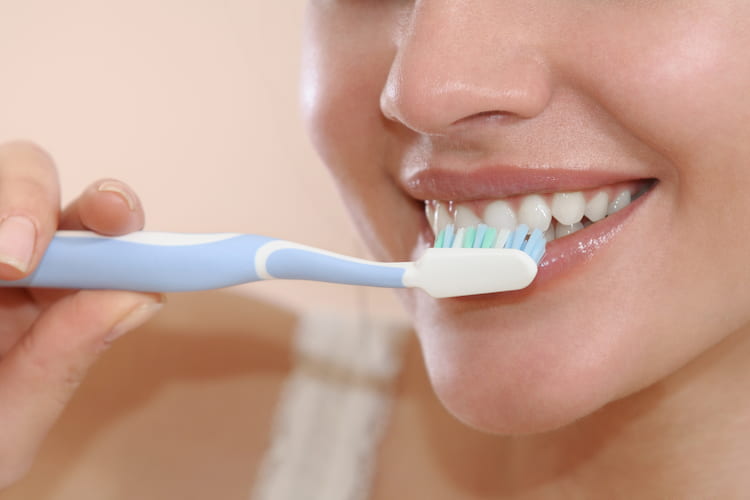
In addition to daily care, prevention and follow-up matter just as much. Rinse with an antibacterial mouthwash twice a day for two weeks to reduce the risk of infection. Protect your teeth by avoiding activities that could cause dental trauma, such as contact sports, unless advised otherwise by your dentist. Most importantly, follow your dentist’s recommendations closely and attend all scheduled appointments to ensure your reimplanted tooth has the best chance of lasting long term.
How Long Will a Reimplanted Tooth Last?
With proper care and taking things easy a bit, your successfully reimplanted tooth can last for years, sometimes even a lifetime, but it’s not guaranteed. Some people may still need treatments like a root canal if the nerve has been damaged. Regular checkups are the key component to catching problems early, like loosening or infection. In the end, every case is different, so your dentist will monitor the tooth depending on your situation, making sure it stays strong.
When should I See My Dentist After a Successful Reimplantation?
Even after a knocked-out tooth is successfully reimplanted, you’re not totally out of harm’s way. Keep an eye out for anything strange and book a dentist visit the second you notice it. If you see bleeding that doesn’t stop, around the tooth or gums, that’s a red flag. Continued tooth pain or swelling in the area could mean the tooth isn’t settling in right or that there’s an infection happening.
Following the same subject, if your tooth gets discolored, for example, it starts turning gray or yellow, it’s another sign that something’s up with the root. If the tooth feels loose or you notice a bad taste or pus around it, that’s a big hint of trouble. Don’t wait around if you spot any of these symptoms; get to your dentist fast to keep that reattached tooth safe and healthy.
Conclusion
Dealing with a knocked-out tooth is stressful, but it’s not a lost cause. By acting fast, handling the tooth carefully, and getting to a dentist right away, you’ve got a solid chance at saving it. From proper tooth preservation to understanding all the factors that play a role in tooth reattachment, knowing what to do can make all the difference in a dental emergency. And even if reattachment isn’t possible, modern dentistry has plenty of ways to keep your smile looking great.
If you’re looking for more tips on handling dental emergencies or want to connect with a team that’s got your back, check our website. Our dental professionals are here to help with everything from tooth extraction and cosmetic solutions to routine checkups. Check out our services at Pearl Dental Group and keep your smile shining bright!
FAQ
How much time do I have to save a knocked-out tooth?
You have about 30 to 60 minutes for the best chance of saving a knocked-out tooth. After that, the likelihood of successful reattachment decreases significantly.
What should I do immediately after my tooth gets knocked out?
Pick up the tooth by the crown, rinse it gently with water (no scrubbing), and try to place it back in the socket. If that’s not possible, keep it moist with milk, saline, or saliva and get to a dentist immediately.
How should I store the knocked-out tooth before seeing a dentist?
Store the tooth in milk, a saline solution, or your saliva to keep the root cells alive. Avoid letting it dry out or placing it in water.
Can a reattached tooth last forever, or will I need further treatment?
A reattached tooth can last for years with proper care, but it may require future treatments like a root canal or splinting. Your dentist will monitor it over time to ensure its stability.
What if my knocked-out tooth can’t be saved? What are my options?
If saving the tooth isn’t possible, options include dental implants, bridges, or partial dentures. Your dentist will recommend the best choice based on your situation.
Will my insurance cover emergency tooth reattachment?
Many insurance plans cover emergency tooth reattachment, but coverage varies. It’s best to check with your provider for specific details.
Can a baby tooth be reattached if it gets knocked out?
Baby teeth are not typically reattached because they can affect the development of permanent teeth. Instead, a dentist will monitor the area to ensure proper growth.
What are the risks of trying to reinsert a knocked-out tooth myself?
Trying to reinsert a tooth incorrectly and especially forcefully can damage the root or surrounding tissues. If reinsertion isn’t possible, it’s always best to let a dentist handle it.
How do I prevent future dental injuries from sports or accidents?
Wear a mouthguard during sports, avoid chewing on hard objects, and be mindful of risky activities. Preventive care can significantly reduce the risk of dental injuries.
Does a reattached tooth require special care after treatment?
A reattached tooth may require a soft diet, gentle cleaning, and follow-up visits to ensure it’s healing properly. Your dentist will provide specific aftercare instructions.
If you play sports, especially the kind that have a high chance of accidents, you might worry about having your teeth knocked out! Tell us about what concerns you most, or even about knocked-out tooth accidents that you may have had in the past, and write them in the comments section.