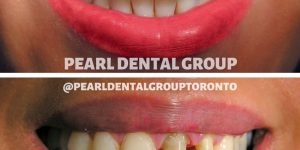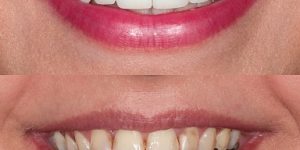



Losing one or more teeth is a common and severe dental problem. When a tooth is missing, it can cause significant difficulties, impacting your ability to chew, speak clearly, and smile confidently. A dental bridge is one of the most popular and effective solutions in restorative dentistry, literally “bridging” the gap in your smile with a fixed prosthetic device.
Before you proceed with this important step in restoring your oral health, it’s essential to be well-informed and know exactly what to expect. In this guide, we outline the vital questions you should ask your dentist to ensure you choose the right solution and secure a lasting, healthy outcome for your new dental bridge.
What Is A Dental Bridge?
As we mentioned, bridges are one of those options chosen to replace missing teeth. Typically, patients with more than one missing tooth are candidates for dental bridges. Bridges are made up of one or more dental crowns to replace your missing teeth. To obtain bridges, it’s highly recommended to visit an experienced cosmetic dentist for an examination.
Why Do You Need a Dental Bridge?
Missing teeth can lead to various problems, making a timely replacement solution necessary. Among tooth replacement options, dental bridges serve multiple critical purposes:
- Restore Function: They restore chewing function, allowing you to eat properly, and they improve speech clarity, which can be affected by missing teeth.
- Enhance Aesthetics: Bridges are custom-made to match the color, shape, and size of your natural teeth, seamlessly blending with your existing smile and boosting your confidence.
- Prevent Shifting: They prevent neighboring teeth from shifting or drifting into the open gap, which can lead to misalignment, bite issues, and other oral health problems.
- Maintain Facial Structure: By providing support and preventing tooth shifting, bridges help maintain the natural shape of your face and prevent a sunken facial appearance, especially when back teeth are missing.
Types of Dental Bridges and Their Differences
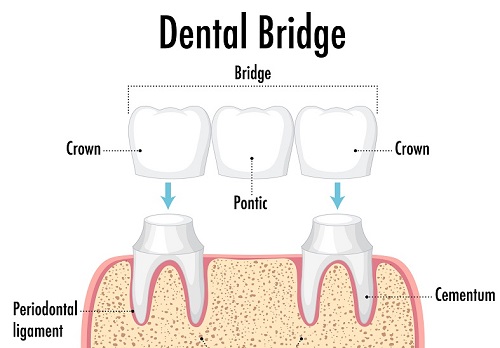
A typical dental bridge consists of two main parts: the pontic (the artificial tooth or teeth) and the abutment teeth (the natural teeth or implants that serve as anchors). There are four primary types, each suited for different situations:
| Bridge Type | Abutment/Support | Key Difference/Benefit | Drawback/Consideration |
| Traditional Bridge | Crowns cemented onto natural teeth on both sides of the gap | Most common type; highly durable; suitable for back teeth | Requires significant preparation (shaping/reduction) of healthy adjacent teeth, which can weaken them |
| Cantilever Bridge | Crown cemented onto a natural tooth on one side of the gap | Used when there are natural teeth on only one side of the space | Not as strong as a traditional bridge; typically recommended for areas with lower chewing pressure |
| Maryland Bridge (Resin-Bonded) | Metal or porcelain framework bonded to the back surface of adjacent teeth | Most minimally invasive; requires little to no tooth preparation | Less durable; generally only used for front teeth as it can’t withstand heavy chewing forces |
| Implant-Supported Bridge | Anchored to dental implants surgically placed in the jawbone | Most stable and durable; preserves healthy adjacent tooth structure and helps prevent bone loss | More expensive; requires adequate bone density and a longer treatment time (for implant integration) |
Read More: Cosmetic Vs. Restorative Care Dental: Everything You Should Know
Wondering if dental crowns are what you need?
Contact Pearl Dental Group Today to find the best solution for your smile!
Questions to Ask Your Dentist Before Getting a Bridge
A thorough consultation is the most important step. Be sure to address these essential financial, medical, and maintenance questions.

What Type of Bridge Is Best for Me?
The recommended bridge type is highly personalized. Your dentist should discuss a few key elements, including material selection, such as all-porcelain, Zirconia, or porcelain-fused-to-metal (PFM), and explain which is best for the location of the bridge, considering both durability and aesthetics.
You should also inquire about Abutment Health to ensure the natural supporting teeth are strong enough to support a bridge and are not at risk of future decay or fracture. Lastly, if an implant-supported option is considered, your dentist must confirm if there is Sufficient Bone Density to ensure the long-term success and stability of the implants.
How Long Will the Bridge Last?
Knowing the expected longevity helps set your expectations. You should ask about the Expected Lifespan, which is typically between 10 and 15 years for a fixed bridge with proper care, and often 20 years or more for implant-supported bridges. Additionally, inquire about the specific factors that will affect your bridge’s durability, such as your daily oral hygiene habits, diet, and the material chosen for the final restoration.
What Are the Risks and Complications?
Every medical procedure carries some risks; knowing them ensures you’re prepared for proper post-operative care. The most common issues include decay and gum disease developing on the natural abutment teeth beneath the crowns, which can occur due to poor oral hygiene.
You should ask about the possibility of bridge failure, where the restoration chips, breaks, or become loose, requiring repair or replacement. Inquire about types of fractures and temporary tooth sensitivity in the abutment teeth, including how long it is expected to last, and discuss the long-term risk of abutment damage or fracture to the natural teeth supporting the bridge.
What Is the Cost and Does Insurance Cover It?
Before starting treatment, get a clear breakdown of the financial commitment. Request a detailed breakdown of the total cost, which includes all fees, such as material costs, fabrication lab fees, and any necessary follow-up appointments. Most importantly, confirm whether your specific CDCP coverage extends to dental bridges and what portion of the cost (such as consultations, procedure, materials) will be your final out-of-pocket expense.
How Should I Care for My Dental Bridge?
Proper home care is crucial for your bridge’s longevity and for preventing issues like decay. Ask your dentist for specific instructions on cleaning under the pontic, as food and bacteria can easily get trapped beneath the artificial tooth. This cleaning requires specialized tools, such as a floss threader or water flosser.
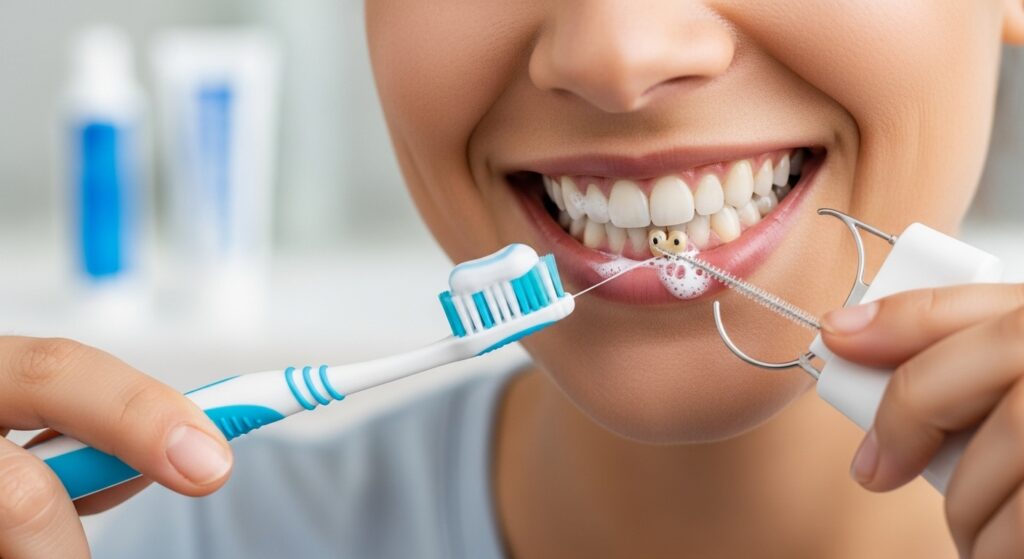
In ideal conditions, a bridge can last 10 years or more. You must follow recommended preventive methods, such as maintaining good oral habits and scheduling regular dental checkups. If you don’t clean your bridge properly, gum disease and decay can develop around it. In such cases, the damaged bridge should be removed, and treatments such as root canal therapy may be necessary before installing a new bridge.
Confirm that your daily routine for a healthy smile includes brushing at least twice a day with a soft-bristled toothbrush. Inquire about any specific dietary restrictions, particularly those involving hard, sticky, or chewy foods, to prevent damage. Finally, confirm the necessary frequency for routine Check-ups, which are usually required every six months.
Alternative Solutions to Dental Bridges
While a dental bridge is an excellent option, it’s wise to discuss all available solutions according to your condition and needs.
- Dental Implants: Both dental implants and bridges offer restorative care; however, implants are a self-supporting solution where a titanium post is surgically placed into the jawbone. Implants provide superior stability and durability, do not rely on adjacent teeth for support, and help prevent jawbone loss.
- Partial Dentures: These are removable appliances that utilize a framework or clasps to replace one or more missing teeth. They are generally the least expensive option but offer less stability and function than a fixed bridge or implant.
According to Wiley, implants and conventional fixed partial dentures have similar long-term costs and survival rates, making the preservation of healthy adjacent teeth the more decisive economic factor for choosing.
Bridging the Gap to a Healthier Smile
A dental bridge is a transformative option that restores both the form and function of your smile. By taking the time to ask your dentist these essential, comprehensive questions, covering everything from the best type of bridge for your mouth to its long-term care, you can partner effectively in your treatment. This collaborative approach ensures that you receive personalized care, leading to a successful outcome and a healthy, confident smile that lasts for years to come.
FAQ
-
Is a dental bridge the best option for my missing tooth, or should I consider implants or dentures?
Implants are generally longer-lasting and help preserve bone, while dentures are more affordable and removable. A bridge is a fixed, durable solution. The best option depends on your oral health and budget.
-
How will a dental bridge affect my surrounding teeth?
Traditional and Cantilever bridges require the adjacent teeth to be reshaped (reduced) to support the crowns. Implant-supported and Maryland bridges are designed to be minimally invasive, preserving more of the natural tooth structure.
-
What type of dental bridge is best for me?
The ideal type (Traditional, Cantilever, Maryland, or Implant-Supported) is chosen based on the number and location of missing teeth, the health of abutment teeth, and your aesthetic goals.
-
How long does a dental bridge last, and what factors affect its durability?
They typically last 10 to 15 years; implant-supported bridges can last 20 years or more. Durability depends on maintaining meticulous oral hygiene, a balanced diet, and regular dental check-ups.
-
Will my bridge look and feel natural?
Yes, your bridge will be custom-made to match your natural teeth. A well-fitted bridge restores normal chewing function and should feel natural after a brief adjustment.
-
What are the risks or potential complications of getting a dental bridge?
Risks include decay on the abutment teeth, gum irritation, sensitivity, and the bridge becoming loose, chipped, or broken.
-
How do I care for my dental bridge to prevent damage or decay?
You must brush and floss daily. Use a specialized tool, like a floss threader or water flosser, to clean underneath the pontic. Also, avoid hard or sticky foods.
-
Will a dental bridge affect my speech or ability to eat certain foods?
A bridge should restore proper chewing and clear speech. However, you must avoid extremely hard or chewy foods that could cause damage.
-
What is the cost of a dental bridge, and will my insurance cover it?
Cost varies by bridge type and materials. Obtain a detailed breakdown of fees from your dentist and verify your specific insurance coverage for the procedure.
-
What happens if my dental bridge breaks or becomes loose?
Contact your dentist immediately. It may require repair, re-cementation, or full replacement. If decay is found underneath, that must be treated first.
Have you ever tried dental bridges? What type of dental bridges you had and why did your dentist choose them? Share your experience or drop your questions in the comments so others can learn from you.