




There are several common reasons for tooth extraction, and while removing a tooth is never the first choice, and it seems scary, sometimes it’s necessary to protect your overall dental health. Whether it’s due to severe decay, gum disease, an impacted wisdom tooth, overcrowding, or infection, extraction may be the best solution to prevent further damage. In this guide, we’ll break down the top causes, the process, and how to recover smoothly.
What Is Tooth Extraction?
Tooth extraction is the removal of a tooth from its socket in the jawbone. Dentists may perform either a simple extraction (for visible teeth) or a surgical extraction (for teeth that are broken, not fully erupted, or impacted).
Extractions are usually a last resort, used only when the tooth is too damaged to save with a filling, crown, or root canal. In many cases, tooth extraction helps stop infection, relieve pain, or prepare your mouth for orthodontic treatment.
Are you scared of tooth extraction? This blog is worth reading for you: Why Are Patients Afraid of the Tooth Extraction?

Common Reasons for Tooth Extraction
Let’s dive deep into the most common reasons your dentist might recommend a tooth extraction.
1. Severe Tooth Decay
When a cavity progresses deep into the tooth, it can reach the pulp, the soft tissue containing nerves and blood vessels. If this infection spreads and becomes severe, it may not be treatable with a root canal or filling. In such cases, extraction may be the only solution to prevent the infection from affecting surrounding teeth or the jawbone.
For example, a molar that’s broken down due to years of neglect may cause constant pain and lead to an abscess. Removing the tooth relieves the pain and prevents the infection from spreading.
Important Note: Regular dental check-ups can often catch decay early and avoid the need for extraction.
2. Gum Disease (Periodontal Disease)
Gum disease is one of the leading causes of tooth loss in adults. In advanced stages, it damages the soft tissues and bone that support your teeth. When gums recede and the bone weakens, teeth become loose. If they can’t be stabilized, extraction is the safest option, apart from gum disease therapy.
| Stage of Gum Disease | Symptoms | Risk of Extraction |
| Gingivitis | Red, swollen gums, bleeding | Low |
| Periodontitis | Gum recession and the beginning of bone loss | Moderate |
| Advanced Periodontitis | Loose teeth, severe bone loss | High |
Pro Tip: Brushing, flossing, and regular cleanings go a long way in preventing gum disease and avoiding extractions.
3. Impacted Wisdom Teeth
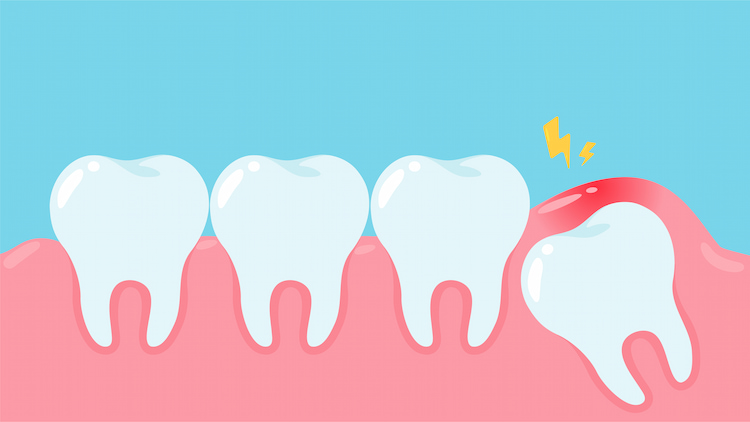
Wisdom teeth, also known as third molars, often cause problems because they don’t have enough room to erupt properly. When they remain trapped beneath the gums or grow in at an angle, they are called impacted. Impacted wisdom teeth can cause:
- Pain or swelling in the jaw
- Infection
- Damage to neighboring teeth
Dentists usually recommend removing impacted wisdom teeth before they start causing issues, especially in younger adults.
An impacted wisdom tooth might not cause any problems at all. If you do have symptoms, surgery may be necessary. Having your wisdom teeth removed while younger may lead to better results.
Read more on: Healthline
4. Overcrowding
Tooth extraction may be necessary to make room in your mouth for proper alignment. This is especially common in orthodontic cases, where crowded teeth can prevent braces from working effectively.
For example, if your front teeth are overlapping or twisted, your orthodontist may recommend removing one or more teeth to create space and achieve a straight smile.
5. Tooth Infection or Abscess
A dental abscess is a pocket of pus caused by a bacterial infection. If the infection reaches the root of the tooth or spreads to nearby tissues, it can become life-threatening if left untreated. While root canal therapy is the first line of defense, severely infected teeth sometimes need to be removed to stop the spread.
Signs you might have an abscess:
- Severe, throbbing pain
- Swollen face or jaw
- Bad taste in your mouth
- Fever
Never ignore these signs; they may indicate a serious infection that needs immediate attention.
Need a Professional Opinion?
If you’re experiencing tooth pain or have been told you may need an extraction, schedule a consultation at Pearl Dental Group today. Our compassionate team will evaluate your situation and discuss all your treatment options.
Call us or book online now for expert dental care in a comfortable setting.
The Tooth Extraction Process
The treatment starts with an examination and X-rays to plan a safe tooth extraction, followed by local anesthesia to numb the area for a pain-free procedure. For visible teeth, a simple extraction gently removes the tooth, while surgical extraction, involving incisions and possibly stitches, is used for broken or impacted teeth. Then, post-extraction care instructions are provided to ensure proper healing and prevent complications like dry socket.
Most procedures take less than an hour and have minimal downtime.
Still prefer other treatments for your dental issue? Then this blog is for you: Common Alternatives to Having Your Tooth Extracted

Aftercare and Recovery Tips
Proper aftercare is crucial for fast healing and avoiding infection. Here’s how to take care of your mouth post-extraction:
Do:
- Bite down gently on gauze to stop bleeding.
- Apply an ice pack to reduce swelling (15 minutes on, 15 minutes off).
- Eat soft foods like yogurt, mashed potatoes, and soups.
- Rest for 24 to 48 hours.
- Take prescribed medications as instructed.
Don’t:
- Rinse or spit forcefully for 24 hours.
- Use straws (can dislodge the clot).
- Smoke or drink alcohol.
- Eat crunchy or spicy foods early in recovery.
Recovery Timeline
| Day | What to Expect |
| 1 – 2 | Swelling, mild bleeding, and discomfort |
| 3 – 5 | Blood clot forms, pain reduces |
| 7 | Stitches may be removed |
| 10 – 14 | Complete healing for most simple cases |
Conclusion
Tooth extraction can seem scary, but it’s often a necessary and beneficial procedure that protects your overall oral health. Whether due to severe decay, infection, or overcrowding, understanding the reasons behind an extraction empowers you to make informed choices.
At Pearl Dental Group, we’re here to guide you throughout the whole process with compassion, expertise, and top-tier care. If a tooth extraction alone doesn’t address your dental needs, we can provide additional treatments, such as dental fillings or dental crowns in North York.
Don’t wait until the pain becomes unbearable. Let us help you preserve your smile! Book an appointment with Pearl Dental Group today and get expert guidance from our friendly dental professionals.
FAQs
-
Why do I need a tooth extraction?
You may need a tooth extraction due to severe decay, gum disease, infection, impacted teeth, or to make space for orthodontic treatment. Your dentist will always evaluate if the tooth can be saved before recommending removal.
-
Is tooth extraction painful?
No. The procedure is done under local anesthesia, so you won’t feel pain, just pressure. After the procedure, some discomfort is normal but can be managed with medication.
-
How long does the recovery take after a tooth extraction?
Most people recover in 7 to 10 days. Full healing of the extraction site may take a few weeks, especially for surgical extractions.
-
Can I avoid tooth extraction with proper care?
In many cases, yes! Regular brushing, flossing, dental checkups, and early treatment of dental issues can help prevent the need for extractions.
-
What are the alternatives to tooth extraction?
Depending on the condition of the tooth, treatments like fillings, crowns, or root canals may be viable options. Your dentist will always consider alternatives before recommending extraction.
Have you ever had a tooth extraction? Was it easier or harder than you expected? Please drop your questions, thoughts, or personal experiences in the comments below.