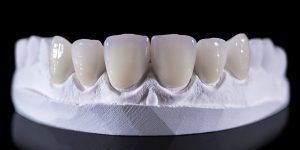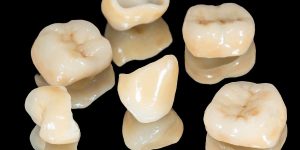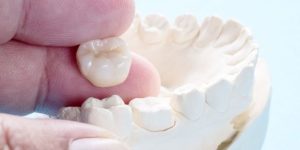


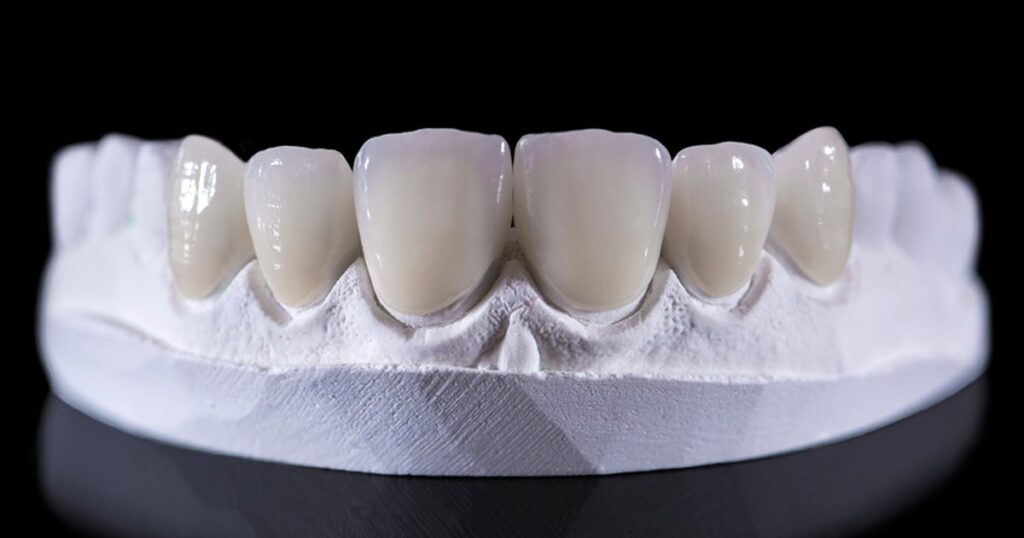
A loose or fallen dental crown can be stressful, especially when it affects your ability to eat or smile comfortably. One of the most important elements that keeps a crown securely in place is the dental crown’s glue, also known as dental cement. This specialized material plays a critical role in modern restorative dentistry by ensuring that crowns remain stable, functional, and long-lasting.
Understanding how dental crown glue works, the different types available, and what to do if your crown comes off can help you avoid complications and protect your oral health. In this guide, we’ll break down everything you need to know clearly and practically.

What Is a Dental Crown Glue?
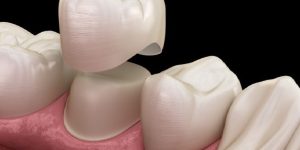
Dental crown’s glue refers to a group of professional dental materials used to attach a crown to a prepared tooth. Unlike household adhesives, these materials are medically formulated to be safe, durable, and compatible with oral tissues.
This adhesive, commonly known as dental cement, creates a tight seal between the crown and the tooth. It prevents bacteria, food particles, and moisture from entering the space underneath, which helps reduce the risk of Tooth Decay and sensitivity.
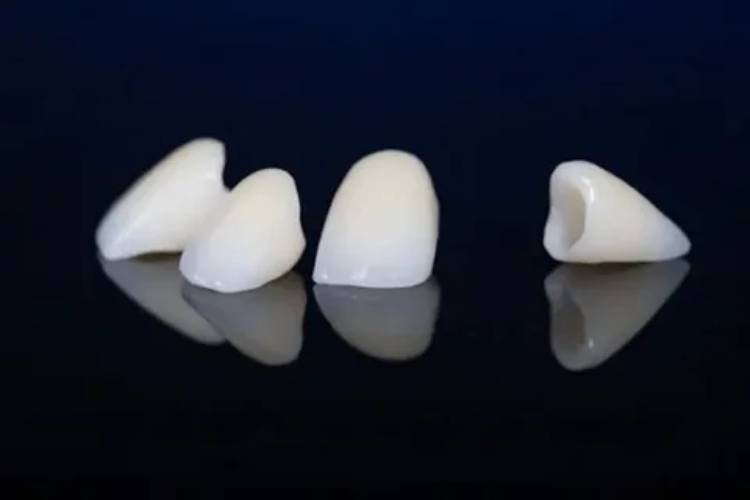
Whether you’ve received a dental crown as part of a repair or cosmetic treatment like a smile makeover, the quality of the cement and placement technique directly impact how long your restoration will last.
Types of Dental Cement Used for Crowns
Not all dental cements are the same. Dentists choose materials based on durability, location of the tooth, and whether the crown is temporary or permanent. Understanding these options helps clarify why professional treatment matters.
Temporary Dental Crown Glue
Temporary crowns are often placed while a permanent crown is being fabricated, such as with procedures like CEREC Crown Toronto systems or lab-made restorations.
Temporary Cement is designed to hold the crown in place for a short period while allowing easy removal later. It provides enough retention for daily function but is not meant for long-term use.
This type of dental crown’s glue is commonly used when a patient has a same-day appointment follow-up scheduled or is waiting for a final restoration.
Permanent Dental Cement
For long-term restorations, dentists use Permanent Cement. These materials create a strong bond that can last for many years when properly applied.
Permanent cement is selected based on the crown material and tooth condition. It ensures stability, protects against leakage, and supports proper function.
Over-the-Counter Dental Adhesives
Some pharmacies offer temporary repair kits marketed as dental adhesives. While these may seem convenient, they are only intended as short-term solutions.
Using over-the-counter products instead of professional care can compromise the fit of your crown and increase the risk of infection or damage.
Read more: “Best Alternatives to Dental Crowns.”
How Dental Crown Glue Works
The effectiveness of dental crown glue depends on more than just the material. Proper technique, tooth condition, and bite alignment all play important roles in long-term success.
Tooth Preparation and Bonding Process
Before placing a crown, dentists perform Tooth Preparation to shape the tooth and remove damaged areas. This creates a stable surface for bonding.
The adhesive process, known as Bonding, ensures that the crown adheres securely to the tooth structure. Proper preparation is essential for durability.
Role of Cement in Crown Stability
Dental cement acts as both an adhesive and a sealant. It fills microscopic gaps between the crown and tooth, preventing bacteria from entering.
Without proper sealing, plaque buildup can occur, increasing the risk of decay and gum irritation around the restoration.
Importance of Proper Occlusion
Occlusion refers to how your teeth come together when you bite. If a crown is not properly aligned, it can place excess pressure on the cement.
This can lead to loosening, discomfort, or even a broken crown, making precise adjustment essential during placement.
Concerned About a Loose or Fallen Crown?
If your crown feels unstable or has come off, timely care can make all the difference. Book an appointment with Pearl Dental Group for a professional evaluation and reliable treatment to restore your comfort and protect your smile.
What to Do If Your Crown Falls Off
Losing a crown is more common than many people think. Acting quickly can help protect your tooth and prevent further damage.
Temporary At-Home Solutions
If your crown falls off, keep it clean and store it safely. You may use temporary dental cement from a pharmacy as a short-term fix.
However, this is not a permanent solution. You should contact a dentist in Toronto or your local provider as soon as possible for proper care.
When to Avoid DIY Fixes
Avoid using household glue or attempting to permanently fix the crown yourself. These materials are not safe for oral use and can damage your teeth.
Improper repairs can also affect future treatments, such as a dental bridge or replacement crown.
When to See a Dentist Immediately
If you experience pain, sensitivity, or swelling, seek immediate care. These symptoms may indicate infection or underlying damage.
A professional evaluation ensures the tooth remains healthy and prevents complications.
Read more: “ Why You Shouldn’t Ignore a Cracked or Missing Crown.”
Risks of Improper or DIY Crown Gluing
Trying to fix a crown without professional help can lead to serious issues. These risks often outweigh any temporary convenience.
Damage to Tooth Structure
Incorrect placement or adhesive can harm the underlying tooth. This may weaken the structure and require more extensive treatment later.
Increased Risk of Infection and Decay
Poor sealing allows bacteria to enter, leading to plaque buildup and potential infection.
This can result in the need for treatments like a dental filling or more advanced procedures if decay progresses.
Bite and Alignment Problems
Improper positioning can disrupt your bite, leading to discomfort and uneven wear on other teeth. These issues may also impact cosmetic treatments such as dental veneers.
How Dentists Properly Reattach a Crown
Professional care ensures your crown is securely and safely restored. Dentists follow a precise process to achieve the best results.
Cleaning and Preparation
The tooth and crown are thoroughly cleaned to remove old cement and debris. This step is crucial for proper bonding.
Choosing the Right Dental Cement
Dentists select the appropriate cement based on your specific needs. This ensures compatibility and long-term stability.
Final Placement and Adjustment
The crown is carefully positioned and adjusted to ensure proper fit and bite alignment. This step helps prevent future complications.
Read more: “Dental Veneer vs Crown: Which One Is Right for You?”
When to Replace a Dental Crown
Even with proper care, crowns don’t last forever. Over time, wear, damage, or changes in your tooth may require replacement.
If your crown becomes loose repeatedly or shows visible damage, your dentist may recommend a new restoration. This ensures continued protection and function.
How to Prevent Crown Loosening
Preventive care plays a major role in maintaining your restoration. Simple habits can significantly extend the life of your crown.
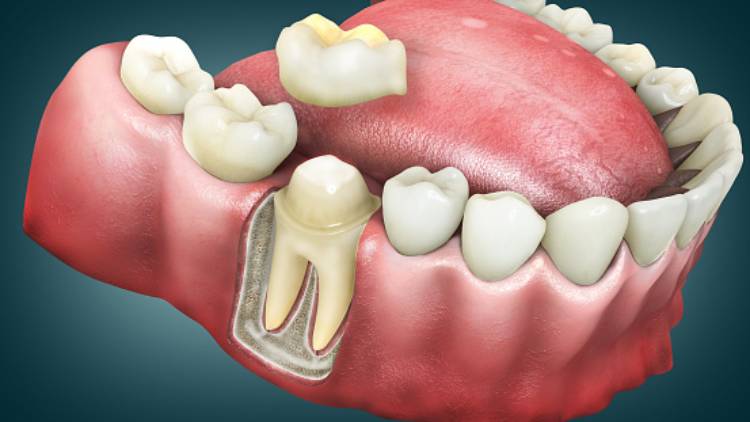
Good Oral Hygiene Habits
Maintaining proper oral hygiene reduces plaque buildup and protects the area around your crown. Regular brushing and flossing help prevent issues that could weaken the bond.
Avoiding Hard or Sticky Foods
Chewing hard foods or sticky substances can loosen your crown over time. Being mindful of your diet helps preserve the integrity of your restoration.
Regular Dental Checkups
Routine visits to a family dentist allow early detection of any issues. Professional monitoring ensures your crown remains secure and functional.
Conclusion
Understanding how dental crown glue works can help you make informed decisions about your dental care. From the type of cement used to the precision of placement, every detail plays a role in the longevity of your crown. By avoiding DIY fixes, seeking timely professional care, and maintaining good oral hygiene, you can ensure your crown remains secure and functional. With proper care and regular dental visits, your restoration can protect your smile for many years to come.
According to research published on PubMed Central, the long-term success of dental restorations depends heavily on proper cement selection, accurate bonding techniques, and maintaining a clean oral environment. This evidence reinforces the importance of professional placement and consistent oral care in extending the lifespan of dental crowns and preventing complications.
At Pearl Dental Group, we provide comprehensive dental services tailored to each patient’s needs. Our team offers advanced restorative treatments, including crown placement, repair, and replacement using modern techniques and high-quality materials. This article is intended for informational purposes only and should not replace professional dental advice. For personalized care, contact us to consult our qualified dental professional.
FAQ
1. What is dental crown glue made of?
Dental crown’s glue is typically a specialized dental cement made from materials like resin, glass ionomer, or zinc-based compounds.
2. Can I glue my crown back on at home?
Temporary solutions exist, but professional care is strongly recommended for proper bonding and safety.
3. How long does a dental crown’s glue last?
Permanent dental cement can last many years, while temporary adhesives are designed for short-term use.
4. Is dental crown glue safe?
Yes, when applied by a dentist. Over-the-counter products should only be used temporarily.
Have questions about your dental crown’s glue or what to do if your crown comes loose?
Share your experience or ask your questions in the comments. We’re here to help you make informed decisions about your dental care.