




Dental fillings are one of the most common restorative procedures performed, yet they are often buried in misconceptions. More than just a simple fix for a hole, modern dental fillings are a cornerstone of oral health, restoring both function and aesthetics to your smile. If you’re preparing for your first procedure, curious about facts about fillings, or interested in keeping your smile strong, you need to know the truth.
At a dental practice like the Pearl Dental Group, your dentist can guide you through the latest options in restorative dentistry. To give you a head start, we’ve compiled several surprising facts about fillings and the most comprehensive guide to everything you should know.

What Are Dental Fillings and Why Are They Needed?
A dental filling is a treatment used to restore a tooth damaged by decay back to its normal shape and function. When you get a cavity (a small hole caused by cavities and tooth decay), a dentist removes the decayed material and “fills” the resulting space. The process of getting a dental filling should not be a cause for anxiety.
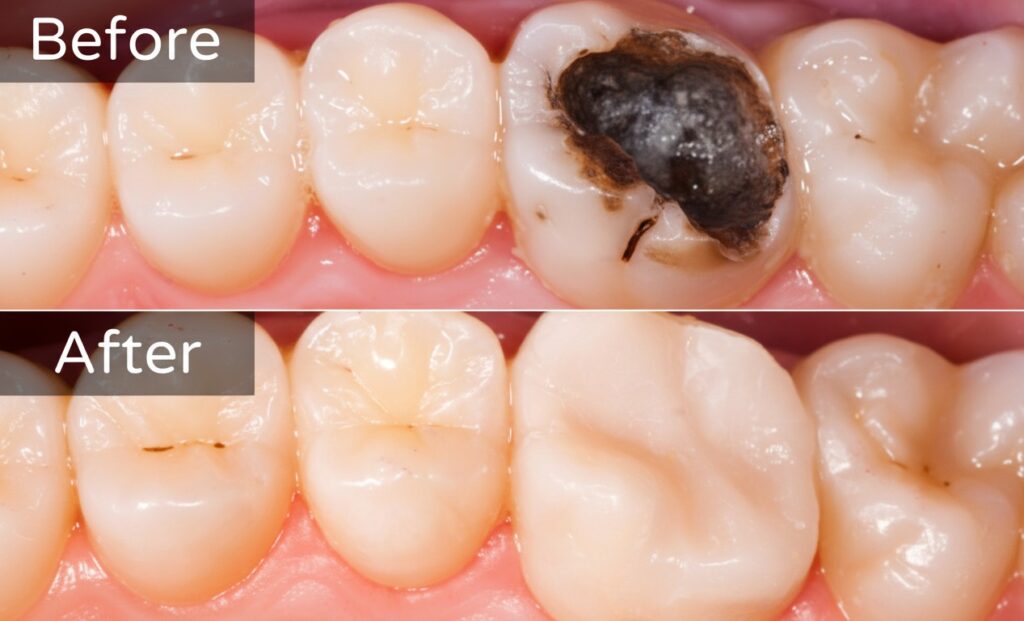
Read More: When to Get a Dental Filling: Signs, and Treatment Options
Surprising Fact #1: Getting a Filling is Almost Always Painless.
We know this might sound like one of the sugar-coating facts about fillings! However, modern dentistry utilizes local anesthesia to completely numb the area. You may feel pressure, but the procedure itself is typically painless.
Surprising Fact#2: They Are Not Just for Cavities!
While most commonly used to treat decay, fillings (especially composite resin) are also a form of tooth restoration. They can be used to repair chipped, broken, or worn-down teeth, even those damaged by teeth grinding.
Types of Dental Fillings
Choosing the right type of dental filling material is essential for dental filling longevity and depends on factors like the filling’s location, the severity of the decay, and aesthetic concerns.
Amalgam (Silver) Fillings
Often called “silver” fillings, amalgam is a mix of metals, including silver, copper, tin, and elemental mercury. They have been used in dentistry for over 150 years.
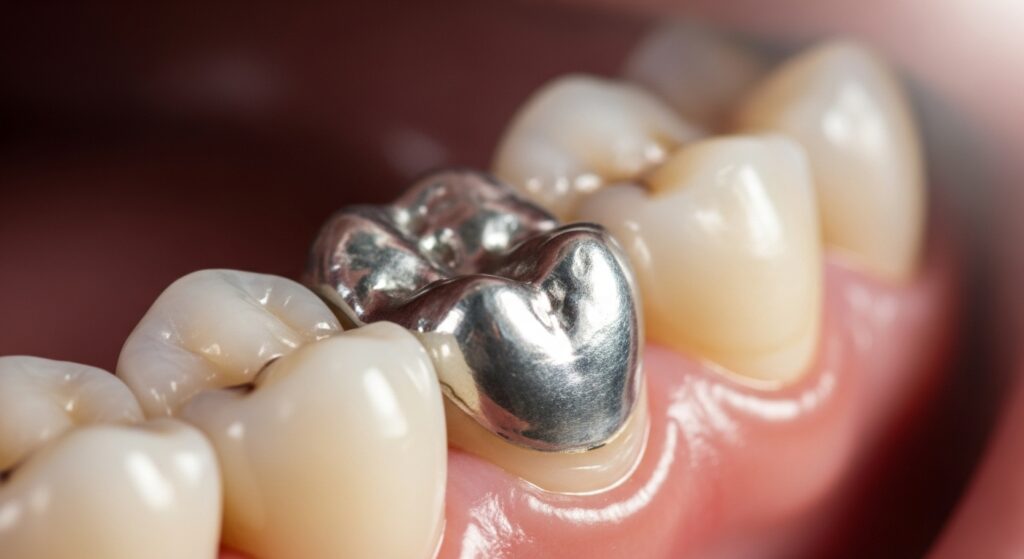
| Pros | Cons |
| Highly durable and long-lasting (10-15+ years) | Silver color is highly noticeable |
| Relatively inexpensive | Requires removal of more healthy tooth structure |
| Can withstand heavy chewing forces | Not suitable for high-risk groups, such as pregnant/nursing women, children under six, and people with neurological conditions. |
Surprising Fact #3: The Mercury Debate is Ongoing.
Amalgam contains mercury, leading to long-standing public concern. Major health organizations like the FDA and ADA maintain that they are safe for most people over the age of six. However, due to the new research and facts about fillings, the FDA recommends high-risk groups (pregnant/nursing women, children under six, and people with neurological conditions) avoid new amalgam fillings.
Surprising Fact #4: You Can Be Allergic to Filling Materials.
Though rare, some people are allergic to the metals in amalgam (like nickel or mercury) or components in composite resin, which can cause symptoms like skin rashes or swelling in the mouth’s soft tissues.
Composite (Tooth-Colored) Fillings
Composite resin fillings are made from a mix of acrylic resin and powdered glass-like particles. They are the most popular choice for aesthetic reasons.
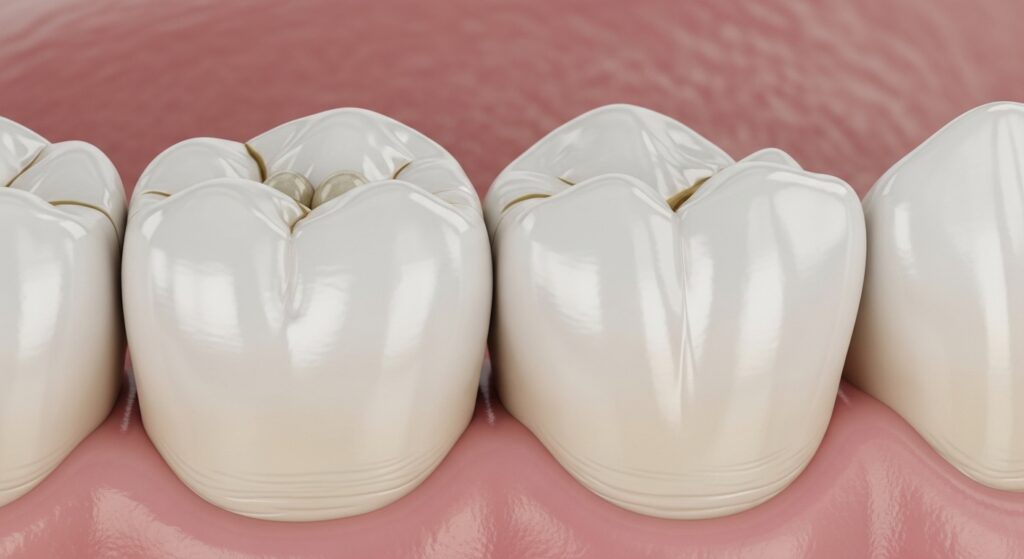
| Pros | Cons |
| Shade can be closely matched to existing teeth (aesthetics) | Generally less durable than amalgam or gold (5-10 years) |
| They bond directly to the tooth, requiring less drilling | Can take longer to place (increased chair time) |
Surprising Fact #5: Fillings Are Softer Than Natural Tooth Enamel.
This might be one of the surprising facts about fillings. While strong, materials like composite resin are softer than your natural tooth enamel protection. This is why dentists advise against habitually chewing on ice or hard candy, as it can cause the filling material to wear or fracture prematurely.
Read More: Cosmetic Vs. Restorative Care Dental: Everything You Should Know
Ceramic and Gold Fillings
These options are generally considered “indirect restorations,” meaning they are often custom-made in a lab before being bonded to the tooth.
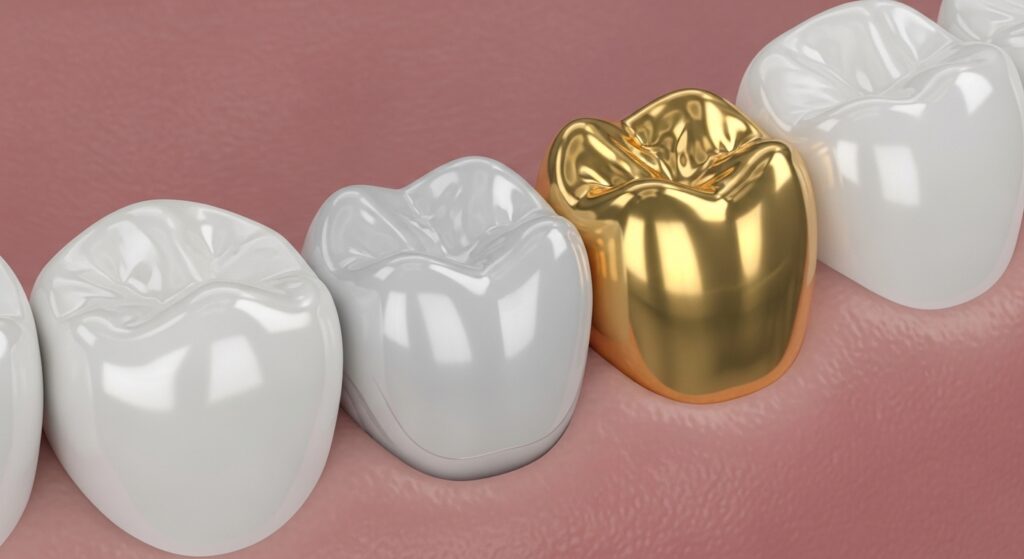
Ceramic (Porcelain) Fillings: These are highly aesthetic and stain-resistant, matching the tooth color well. They are costly and can be more brittle than metal, making them better suited for non-heavy chewing areas.
Gold Fillings: Made of a gold alloy, this material is custom-cast for the best fit.
Surprising Fact #6: Gold is the Champion of Durability.
Despite being an ancient filling material, cast gold is the most durable and wear-resistant option, often lasting 15 to 30 years or more, making it one of the longest-lasting forms of Tooth Restoration.
Surprising Fact #7: You Can Get a “Partial Crown” Instead of a Filling.
Inlays and Onlays are types of indirect fillings (often ceramic or gold). An inlay lies within the biting surface cusps, and an onlay covers one or more cusps. They are used when the decay is too extensive for a traditional filling but not severe enough for a full dental crown.
Wondering if you need a dental filling or a replacement?
Contact Pearl Dental Group Today to discover the best treatment for your smile!
How Long Do Fillings Last?
One of the most important facts about fillings is their durability. Fillings are not permanent, and their lifespan depends heavily on the material, the size and location of the cavity, and your oral care habits.
| Filling Material | Average Longevity |
| Amalgam (Silver) | 10 – 15 years |
| Composite Resin | 5 – 10 years |
| Gold | 15 – 30+ years |
| Ceramic (Porcelain) | 5 – 15 years |
Surprising Fact #8: The Concept of Fillings Dates Back Thousands of Years.
While modern materials are superior, the idea of filling a hole to prevent decay has existed for millennia. Archaeologists have found evidence of ancient civilizations using materials like wax, resin, and even stones for primitive tooth repairs.
Surprising Fact #9: Some Fillings Can Fight Decay.
Materials like Glass Ionomer (GIC) and resin ionomer are often used for fillings on non-chewing surfaces or on children’s teeth. They have the unique ability to release small amounts of fluoride, helping to strengthen the surrounding Tooth Enamel Protection and inhibit new decay.
Signs You May Need a Filling Replacement
Regular check-ups allow your dentist to monitor the condition of your fillings, but there are signs you should look for:
- Sharp pain or tooth sensitivity to hot or cold.
- A visible crack or chip in the filling.
- A change in the filling’s color or a dark spot around the edges.
- A feeling of a rough edge when running your tongue over the tooth.
Surprising Fact #10: Decay Can Happen Underneath Existing Dental Fillings.
This is known as “secondary decay” or “recurrent decay.” Fillings can wear down or separate slightly from the tooth edge over time, creating a microscopic gap where bacteria can leak in and start a new cavity under the old filling. This is a primary reason fillings need to be replaced.
How to Care for Your Dental Fillings
Being informed about the facts about fillings and maintaining a proper dental care routine are the biggest factors in maximizing dental filling longevity and having healthy teeth.

- Brush and Floss Consistently: Good oral hygiene prevents new decay from forming, especially around the margins of the filling.
- Use Fluoride: High-fluoride toothpaste or professional fluoride treatments help protect the surrounding enamel.
- Avoid Excessive Stress: Limit chewing on hard foods, ice, and sticky candies, as fillings are softer than your natural teeth.
- See Your Dentist Regularly: Professional cleanings and check-ups allow your dentist to spot small cracks or leaks before they become a major problem.
Surprising Fact #11: You Can Eat Immediately After Most Fillings (But It’s Risky).
This one is among the tricky facts about fillings! With modern tooth-colored composite resins, the material is fully cured by a blue light before you leave the chair. Technically, the filling is ready. However, because local anesthesia is used, you risk accidentally biting and damaging your tongue, cheek, or lip, so dentists advise waiting until the numbness completely wears off.
Your Filling Is Your Shield: Final Thoughts on Protection
Whether you are seeking preventive care or tooth restoration for existing damage, dental fillings are an essential, long-lasting solution in restorative dentistry. By understanding the materials, the procedure, and the facts about fillings, you are better equipped to make informed decisions about your oral health.
If you suspect you have a cavity, look for the perfect smile, or are due for a check-up, you can visit the best cosmetic dentists in Toronto, like the team at the Pearl Dental Group, to find the right, personalized treatment plan for your smile.
Read more: Tips for a Healthier, More Beautiful Smile
FAQ
-
What are dental fillings made of, and which type is best for me?
Fillings are made from silver amalgam (metal), composite resin (tooth-colored plastic/glass), ceramic (porcelain), and gold. The “best” depends on the location, size, and your aesthetic goals. Composite is best for visible teeth, while amalgam and gold offer maximum durability for back molars.
-
Do dental fillings last forever, or will I need to replace them?
Fillings are not permanent. Amalgam and gold can last 15–30 years, while composite typically lasts 5–10 years. They need regular monitoring and will eventually require replacement due to wear, cracking, or leaking.
-
Can cavities form under existing dental fillings?
Yes. If the filling cracks, wears down, or separates from the tooth margin, bacteria can seep underneath the restoration, leading to new decay known as secondary or recurrent decay.
-
Are metal fillings safe, or should I get them replaced?
Major health organizations consider silver amalgam (mercury-containing) fillings safe for most people. Replacing a healthy amalgam filling is generally not recommended, as the removal process can damage healthy tooth structure and release mercury vapor.
-
Can a cracked or loose filling cause pain or further damage?
Yes. A damaged filling exposes the sensitive dentin layer, causing pain or sensitivity. It also creates a path for bacteria to cause a deep infection, potentially leading to a root canal or extraction.
-
Is getting a dental filling painful?
No. Your dentist uses a local anesthetic to completely numb the area before starting the procedure. You will feel pressure and movement, but you should not feel any pain.
-
How do I take care of my fillings to make them last longer?
Maintain excellent oral hygiene (brushing twice, flossing once daily), avoid chewing on hard items (like ice), and visit your dentist for regular check-ups to monitor the filling’s condition.
-
Are there alternatives to fillings for treating cavities?
For very early decay, improved hygiene and professional fluoride treatments can sometimes reverse the damage. For larger decay, alternatives include an inlay/onlay (partial crown) or a full dental crown.
-
Can fillings change color over time?
Yes. Composite resin fillings can absorb stains from foods and drinks (like coffee) just like natural teeth. Amalgam fillings can also darken over time or cause a gray tint in the surrounding tooth.
-
How much do dental fillings cost, and does insurance cover them?
Dental fillings usually cost from $210 to $500, based on material and size (amalgam is cheapest; gold/ceramic are most expensive). Most dental insurance plans cover a significant portion. The CDCP covers basic dental fillings; however, depending on the location of the tooth and the age of the patient, the CDCP coverage may vary for composite fillings on molars.
Have you ever had a dental filling procedure done for your tooth? What type of material did you choose? Share your experience or drop your questions in the comments so others can learn from you.