



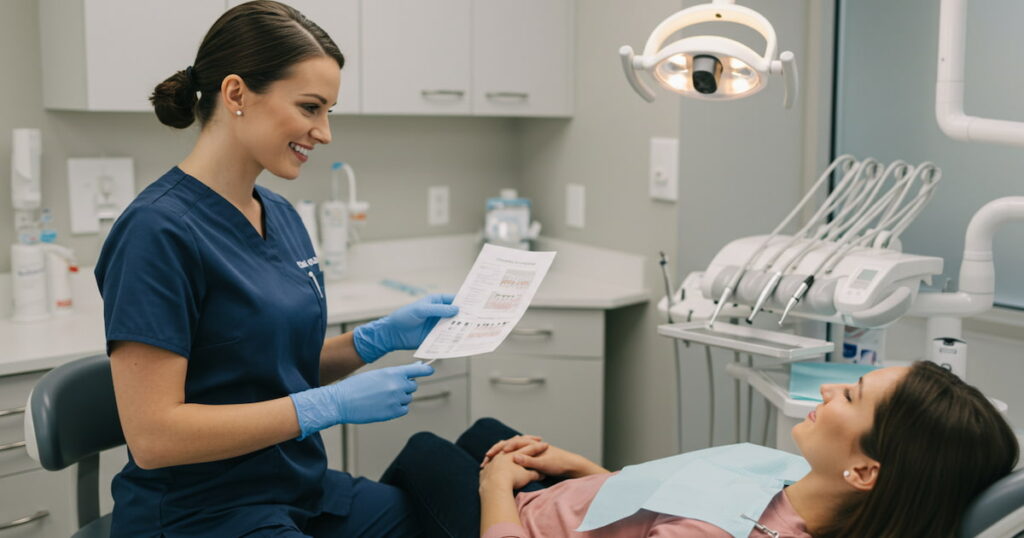
Dental care in Canada is changing for the better. With the launch of the Canadian Dental Care Plan (CDCP), more Canadians can now access essential dental services without worrying about the cost. Whether you’re overdue for a checkup, need a filling, or require dentures, the CDCP is designed to make oral health care more accessible and affordable, especially for seniors, children, and adults without private insurance. The question is, what are the services covered under the Canadian Dental Care Plan?
This detailed guide helps you understand the services under CDCP and how you can benefit from this national plan.
As of 2026, the Canadian Dental Care Plan is fully active for all age groups, but there is a major change: you must now renew your coverage by June 1 each year. To stay eligible, make sure your 2025 tax return is filed so the government can verify your family income stays under the $90,000 threshold.
Introduction to CDCP Coverage
The Canadian Dental Care Plan covers a wide range of essential dental services. Its goal is to improve oral health across the country by reducing financial barriers to care. The services it covers span from basic preventive care to more advanced procedures such as oral surgery and sedation, depending on your dental needs and eligibility. The CDCP covers the following dental services:
- Preventive Services
- Diagnostic Services
- Restorative Services
- Prosthodontic Services
- Oral Surgery Services
- Sedation & Anesthesia
Want to know exactly what’s covered in each category? Keep reading for a complete breakdown of services, what’s included, and what to expect during your visits!

1. Preventive Services
Preventive dental care is all about stopping problems before they start. The CDCP covers several preventive services that are essential for maintaining long-term oral health.
Dental Exams
Routine dental exams are fully covered under the CDCP. These exams allow your dentist to monitor the overall condition of your teeth, gums, and mouth. Regular checkups help in detecting early signs of cavities, gum disease, oral cancer, and other concerns before they become serious.
Depending on your age and oral health needs, CDCP may allow for 1 to 2 exams per year.

Cleanings and Fluoride Treatments
Professional cleanings, also known as scaling and polishing, remove plaque and tartar buildup that daily brushing can’t eliminate. Fluoride treatments strengthen tooth enamel and help prevent decay. The CDCP covers:
- Scaling: Up to a set number of units annually (varies by patient’s age).
- Fluoride: Generally covered once every 6 to 12 months, especially for children and seniors.
Sealants
Dental sealants are thin coatings applied to the chewing surfaces of molars to prevent cavities. This service is particularly effective for children and teenagers. Under CDCP, sealants are covered for eligible children and youth, making it a proactive investment in their dental future.
2. Diagnostic Services
Diagnostic services help identify oral health issues through various tools and techniques. Dental X-rays are essential for identifying issues not visible during a regular exam, such as cavities between teeth, bone loss, and impacted teeth.
In addition to general checkups, the CDCP covers emergency exams for when you have pain or sudden issues, as well as specialist exams if referred for a specific concern (like oral surgery). These exams help ensure timely and accurate diagnoses, which lead to better treatment outcomes.
Contact Us for Help!
At Pearl Dental Group, we offer CDCP-covered dental services and are here to help! Contact us today for a free consultation and eligibility check to maximize your benefits.
3. Restorative Services
If you have tooth decay or damage, restorative services help bring your teeth back to proper function and appearance.
Fillings
Dental fillings are used to restore cavities or damaged teeth. The CDCP covers a variety of materials, though it often favors basic options like:
- Amalgam (silver): Durable and cost-effective.
- Composite (tooth-colored): More aesthetically pleasing.
Depending on the location of the tooth and the age of the patient, coverage may vary for composite fillings on molars.
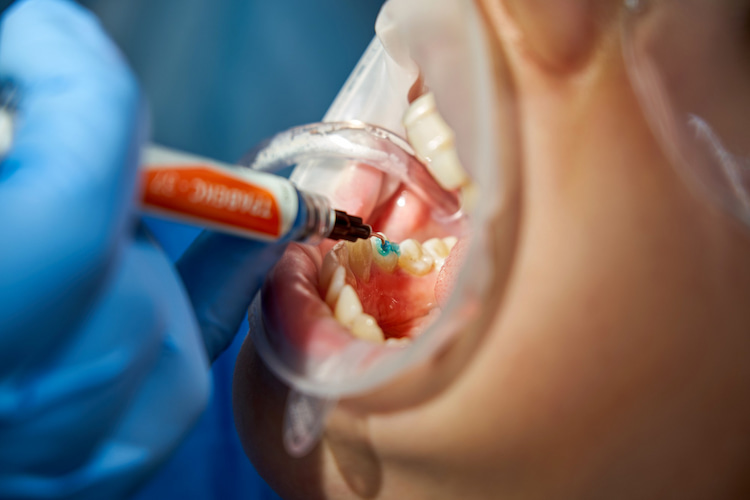
Not sure if you need dental fillings? Check out this article to find out: When Do You Need to Get a Dental Filling?
Dental Crowns
Dental crowns are used to restore teeth that are severely damaged, decayed, or weakened, often after a root canal. The Canadian Dental Care Plan (CDCP) covers single-unit crowns, including metal, porcelain-fused-to-metal, and porcelain crowns, when significant tooth structure is lost, and the tooth is strong enough to be restored. All crowns require preauthorization, and cosmetic crowns (for appearance only) are not covered.
Root Canal Therapy
The CDCP covers root canal therapy for front teeth, premolars, and first/second molars without preauthorization if the tooth is healthy enough. Here are a few other points you should know about covering root canal therapy:
- Wisdom teeth root canals are covered only if other molars are missing and the tooth is properly aligned, with preauthorization.
- Redoing root canals also needs preauthorization.
- No coverage for teeth with severe gum disease or major decay.
Additional Note: Coverage is subject to CDCP fees, which may be lower than provincial fee guides, potentially leading to additional costs. Preauthorization ensures treatments meet clinical criteria. For more details, visit Canada.ca.
Suggested Article: Cosmetic vs. Restorative Care Dental: Everything You Should Know
4. Prosthodontic Services
Prosthodontics involves replacing missing teeth to restore function and aesthetics. CDCP covers complete and partial dentures for eligible patients. Services include:
- Initial consultation
- Impressions and fitting
- Adjustments and follow-up
If your dentures break or no longer fit properly, the CDCP will often cover repairs and relining services. Proper maintenance extends the life of your dentures and improves comfort.
Additional Note: Dentures are generally covered once every 5 years, and repairs may be covered more frequently.
Suggested Article: What to Know Before Getting Dentures
5. Oral Surgery Services
Surgical procedures are often necessary for serious dental issues. For example, a simple tooth extraction refers to the non-surgical removal of visible teeth, but complex extractions (like impacted wisdom teeth, when medically necessary) require surgery. Biopsies, gum surgeries, and treatment of infections, if deemed medically necessary, are covered by the CDCP.

6. Anesthesia and Sedation
Fear or anxiety shouldn’t stop anyone from getting the care they need. The CDCP recognizes this and offers coverage for sedation in appropriate cases. The plan covers various sedation options, including local anesthesia (standard numbing), nitrous oxide (laughing gas), and moderate sedation (oral or IV, when necessary)
Preauthorization Requirements
In many cases, especially with IV sedation or general anesthesia, your dentist will need to submit a request for approval, including the medical necessity and procedure details. General anesthesia is covered only in specific cases, often for children, special needs patients, or complex surgeries.
7. Orthodontic Services
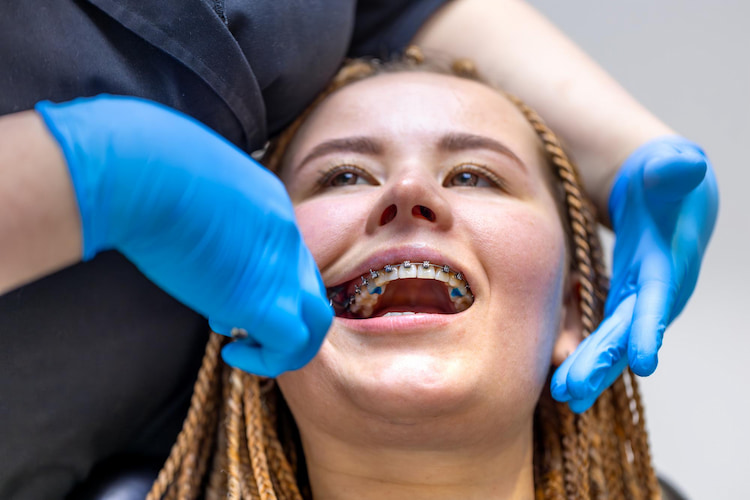
Orthodontic treatment, like braces, retainers, and aligners, isn’t just for straight teeth. It also plays a key role in correcting bite problems, jaw misalignment, and speech issues. As of 2026, the CDCP does include limited coverage for orthodontic services, but only under specific medical or functional conditions. They are usually covered only when deemed medically necessary, such as:
- Severe bite problems (overbite, underbite, crossbite) affecting speech or chewing
- Jaw misalignment causing pain or functional impairment
- Congenital conditions (like cleft palate) that impact oral function
When Orthodontic Treatments Are Not Covered
Cosmetic orthodontics, like braces for slightly crooked teeth or purely aesthetic reasons, are not among the services covered under the Canadian Dental Care Plan. To qualify, your dentist or orthodontist must conduct a clinical assessment, provide supporting documents (photos, X-rays, etc.), and submit a preauthorization request for CDCP review.
Tip: This process may take time, and not all cases will be approved. It’s best to consult with your dentist to explore your eligibility.
Services Not Covered
While the CDCP is a major step forward for accessible dental care, it does not cover everything. The plan is focused on essential, medically necessary treatments rather than elective or cosmetic dentistry procedures. The services mentioned below are not medically necessary and are considered elective.
- Teeth whitening
- Dental Implants
- Veneers
- Tooth gems or decorative modifications
- Cosmetic bonding for appearance only (like minor reshaping or closing small gaps)
Good to Know: Instead of dental implants, the CDCP covers dentures as the more cost-effective alternative. Therefore, if you’re considering implants, ask your dentist whether a partial denture might meet your functional needs under the plan.
Final Thoughts
The Canadian Dental Care Plan is a transformative step toward equitable oral healthcare across the country. At Pearl Dental Group, we are proud to support patients in making the most of this opportunity. Whether you’re looking for preventive care or restorative treatment, we’re here to help you understand your options and maximize your benefits.
We offer various dental services, either covered or not covered by the CDCP, to meet all your dental needs. You only need to explore our website to learn about our services, such as oral hygiene, dental emergencies, and children’s dentistry in North York.
Let our team handle the paperwork while you focus on your smile. Call us or use our online form to schedule a visit.
FAQs
-
Are dental implants covered under the CDCP?
No, dental implants are not currently covered. However, dentures are available as a functional replacement option.
-
Does the plan cover orthodontic treatments?
Limited orthodontic services are covered for cases of medical necessity based on strict criteria, such as severe bite issues that cause significant oral health problems like jaw pain or potential tooth loss. These services require preauthorization and have a maximum spending limit.
-
Are cosmetic procedures like teeth whitening covered?
No, CDCP does not cover cosmetic procedures like teeth whitening, as they are considered elective and not essential for oral health.
-
Is sedation covered for dental procedures?
Yes, sedation is covered when medically necessary. However, advanced sedation methods (like IV or general anesthesia) may need preauthorization.
-
How often can I get preventive services like cleanings?
Preventive services like cleanings are covered, but frequency limits apply, usually once every 6 to 12 months, depending on your oral health needs and age.
Leave a comment below; we’d love to hear your thoughts, answer your questions, or hear about your experience with the CDCP!