



The most effective way to treat a tooth abscess is through professional dental care. Depending on the severity of the infection, treatment may include draining the abscess, performing root canal therapy, prescribing antibiotics, or removing the affected tooth. Seeking treatment as early as possible can help prevent the infection from spreading to nearby tissues and other areas of the body.
Understanding the symptoms, causes, treatment options for a tooth abscess, and limitations of home remedies can help you make informed decisions and protect your oral health.

How to Treat a Tooth Abscess
Professional treatment focuses on removing the infection, easing the dental pain, and saving the tooth whenever possible. The exact treatment depends on where the abscess is located, how severe the infection is, and whether the tooth can still be restored.
If you are searching for how to treat a tooth abscess, the most important thing to know is that treatment must address the source of the infection. Pain relief alone is not enough. A dentist needs to clean out the infection or remove the tooth if it cannot be saved.
Dental Examination and Diagnosis
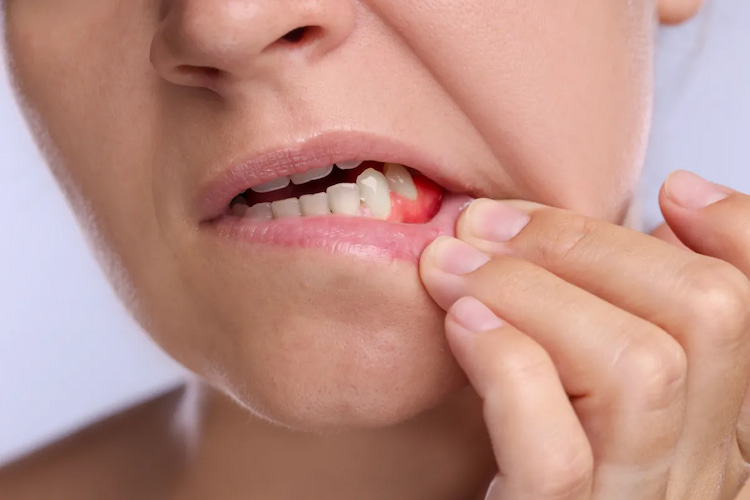
Your dentist will first examine the tooth and ask about your symptoms. They may gently check the area, look for swelling, and ask whether you have tooth sensitivity when you chew or drink something hot or cold. Dental X-rays are often used to see how far the infection has spread.
This step is important because not all tooth pain comes from the same cause. A proper diagnosis helps the dentist choose the right treatment and avoid delays. The sooner the problem is identified, the easier it may be to treat.
Draining the Abscess
If pus has built up, the dentist may make a small opening to drain the infection. This helps reduce pressure and can bring relief fairly quickly. Drainage may also help the area heal more comfortably once the infection is being treated.
However, drainage alone is usually not enough. The source of the infection still needs to be treated, or the abscess may come back. That is why drainage is often combined with a root canal, antibiotics, or another dental procedure.
For more information, you can also review this resource on the Mayo Clinic.
Root Canal Treatment
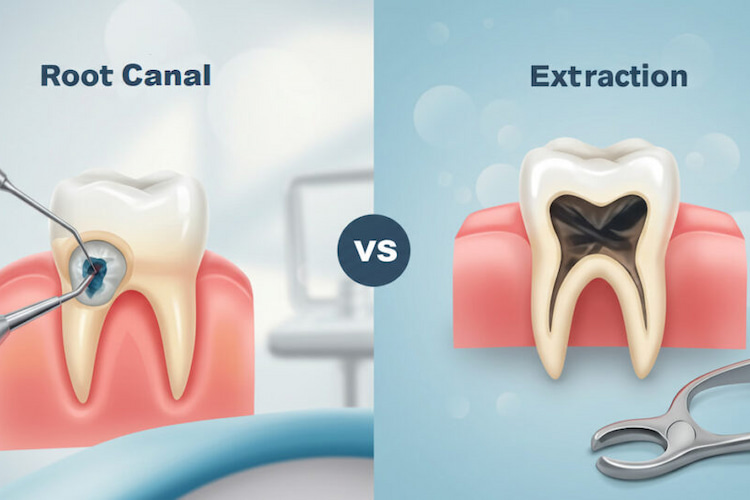
Root canal treatment is one of the most common ways to save an abscessed tooth. During this procedure, the dentist removes the infected pulp from inside the tooth, carefully cleans the inside, and seals the tooth to help prevent the infection from returning.
Many patients worry about root canals, but modern treatment is designed to relieve pain, not cause it. In many cases, the procedure helps the patient feel much better by removing the infected tissue that is causing the pain. If the tooth can be saved, a root canal is often the best option.
Tooth Extraction
If the tooth is too damaged or the infection is too severe, tooth extraction may be the safest choice. Removing the tooth eliminates the source of infection and helps protect the surrounding teeth and tissues.
After extraction, your dentist may discuss replacement options such as a dental bridge, implants, or a partial denture. This helps restore function and keep your bite balanced. Extraction is usually recommended only when the tooth cannot be saved.
Antibiotics
Antibiotics may be prescribed when the infection has spread or when there is significant swelling. They can help control bacteria and reduce the risk of the infection worsening while you wait for dental treatment.
It is important to understand that antibiotics alone usually do not cure a tooth abscess. They may help manage the infection, but the tooth still needs professional treatment to remove its source. That is why antibiotics are often used together with drainage, root canal treatment, or extraction.
If you are worried about having a tooth removed, read this guide on the best tooth extraction alternatives.
Home Remedies That May Provide Temporary Relief For Tooth Abscess
Home remedies can sometimes help you feel more comfortable while you are waiting to see a dentist. They may reduce irritation, ease swelling, or make it easier to get through the day. Still, they should only be used as short-term support.
These steps are not a cure. They are meant to help with symptoms until you can receive proper dental treatment.
Salt Water Rinse
Warm salt water may help soothe irritated tissues and gently clean the mouth. It can also help reduce the number of bacteria around the sore area. Many people find that rinsing several times a day gives them temporary relief.
This is a simple and low-risk option, but it will not remove the abscess. It may help the area feel cleaner and less irritated, making it easier to manage the pain until your appointment.
Cold Compress
A cold compress applied to the outside of the face may help reduce swelling and slightly numb the area. This can be useful if the cheek or jaw feels puffy or tender. Applying cold for short periods may make the pain more manageable.
The cold should be applied to the outside of the face, not directly to the tooth or gums. It is only meant to ease discomfort for a short time.

Over-the-Counter Pain Medication for Tooth Abscess
Pain relievers may help reduce discomfort while you wait for dental care. They can make it easier to eat, sleep, or get through the day. Always follow the directions on the package and speak with a healthcare provider if you are unsure what is safe for you.
These medicines can help with symptoms, but they do not treat the infection itself. If the pain keeps returning, that is a sign you still need dental treatment.
For help finding urgent care, contact your local emergency dentist right away.
What to Avoid
Avoid placing aspirin directly on the gums, using very hot compresses, or depending only on home remedies for too long. These choices can irritate the tissue or delay the care you really need for a tooth abscess.
It is also a good idea not to ignore swelling, fever, or worsening pain. If symptoms are getting worse, home care is no longer enough.
Concerned About a Tooth Abscess?
If you think you may have an abscess, contact Pearl Dental Group today to schedule an appointment. Getting prompt care can help relieve pain, prevent the infection from worsening, and provide a clear treatment plan.
When Should You See a Dentist Immediately?
A tooth abscess should always be checked by a dentist, but some symptoms mean you should seek care right away. These warning signs may show that the infection is becoming more serious or spreading to other areas:
- Severe swelling of the face or jaw
- Difficulty swallowing
- Difficulty breathing
- Fever
- Pus drainage
- Severe persistent pain
These symptoms may indicate that the infection is spreading and requires prompt treatment. If breathing or swallowing becomes difficult, do not wait for a routine appointment. Seek urgent medical attention right away.
Visit this page for more information about emergency dental treatment options in Toronto.
Meet Your Dentist Dr. Pourya Aminsalehi, DDS
Dr. Pourya Aminsalehi is committed to helping patients achieve healthy, comfortable smiles through personalized and modern dental care. Dr. Aminsalehi provides comprehensive treatment solutions designed to improve both oral health and long-term smile function.
Can a Tooth Abscess Be Prevented?
Although not every dental infection can be prevented, many abscesses can be avoided with good oral hygiene and regular dental visits. Prevention is often easier and less stressful than treatment after an infection has already started.

Maintain Daily Oral Hygiene
Brush twice a day, floss every day, and use fluoride toothpaste to help reduce plaque buildup. These habits help remove bacteria before they can damage the teeth and gums. Cleaning along the gumline is especially important because bacteria often collect there.
Good oral hygiene also helps keep your gums healthier, which lowers the risk of infection around the teeth. Even simple daily care can protect your mouth over time.
Read this guide for more tips on how to keep your teeth healthy every day.
Visit Your Dentist Regularly
Routine dental exams help find cavities, gum disease, and other problems before they become serious. Your dentist can spot early signs of decay or infection that you may not notice at home.
Address Dental Problems Early
If you notice tooth sensitivity, bleeding gums, or pain when chewing, do not ignore it. Early care can protect your teeth and help you avoid emergency treatment later.
Treat a Tooth Abscess Early to Protect Your Oral Health
A tooth abscess is more than just a painful toothache. It is an active infection that can continue to spread if it is not treated properly. While home remedies may offer temporary relief from pain and swelling, they cannot remove the bacteria causing the infection. Prompt professional treatment can help eliminate the infection, relieve discomfort, preserve your natural tooth whenever possible, and reduce the risk of serious complications.
If you notice persistent tooth pain, swelling, sensitivity, or signs of infection, seek dental care as soon as possible to protect your smile and overall health. A professional dental evaluation allows your dentist to identify the source of the infection and recommend the most appropriate treatment based on your individual needs.
FAQ
-
Can a tooth abscess heal without treatment?
No. A tooth abscess usually does not heal on its own because the infection remains inside the tooth or gum tissue. Professional dental treatment is needed to remove the source of the infection.
-
How long can a tooth abscess go untreated?
There is no safe amount of time to leave a tooth abscess untreated. The longer you wait, the greater the risk of pain, swelling, and complications.
-
Is a root canal painful?
Modern root canal treatment is generally comfortable and is designed to relieve pain caused by infection. Many patients feel much better after treatment.
-
Can antibiotics cure a tooth abscess completely?
Antibiotics may help control the infection, but they usually do not cure the abscess on their own. The source of the infection still needs to be treated by a dentist.
Have you experienced symptoms of a tooth abscess or had treatment before? Share your questions or experiences below.