

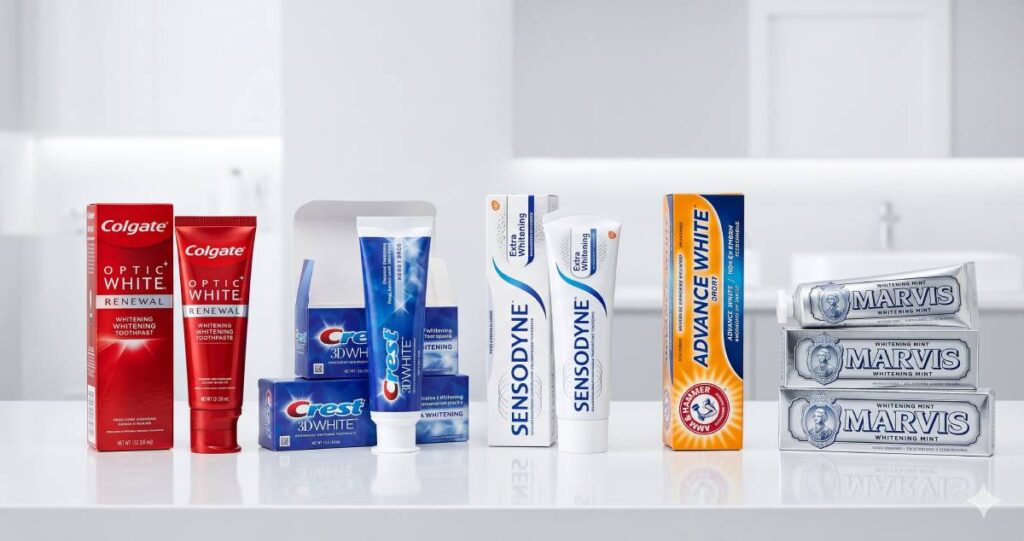
A brighter smile is one of the most common cosmetic goals patients mention during routine dental visits. Whether stains come from coffee, tea, red wine, or smoking, many people start with a whitening toothpaste before considering professional treatment.
But not every formula works the same way. Considering the top whitening toothpastes 2026, the best options combine stain removal, enamel safety, and everyday practicality. This guide explains what a whitening toothpaste can realistically do, which ingredients matter most, and how to choose the best formula for your needs.
How Whitening Toothpastes Work
Before choosing a product, it helps to understand what a whitening toothpaste actually does. Most formulas are designed to lift surface stains rather than deeply change the natural colour of teeth. That is why results often vary from person to person.
In the next sections, we will look at how whitening works, what ingredients make the biggest difference, and why consistency matters more than many people expect.
Remove surface stains, not deep discoloration
Most whitening toothpastes are best at removing stains that sit on the outer layer of the tooth. These stains commonly come from coffee, tea, wine, and tobacco.
If teeth have internal discoloration caused by trauma, medications, or aging, whitening toothpastes alone usually will not create a dramatic change. This is one reason many patients exploring teeth whitening Toronto options begin with a toothpaste but later ask about stronger in-office treatments.
The difference between abrasion and peroxide whitening
A whitening toothpaste generally works in one of two ways. Some formulas use mild polishing agents that gently scrub away stains. Others use chemical whitening agents such as hydrogen peroxide, which can help break down stain molecules more effectively.
A good whitening formula balances effectiveness with protection. If abrasiveness is too high, repeated use can contribute to sensitivity or unnecessary enamel wear.

How long do results usually take?
With regular twice-daily use, many people notice visible improvement within two to six weeks. However, results depend on stain type, brushing habits, and existing tooth shade. Even the best whitening toothpaste formulas work gradually rather than instantly.
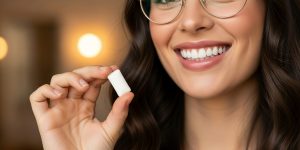
Read more: “The Best Teeth Whitening Gum for a Brighter Smile!”
Top Whitening Toothpastes of 2026
The strongest product roundups do not simply list dozens of options. What matters more is helping readers choose based on their needs. Below are some of the most talked-about formulas in whitening toothpastes 2026, based on product performance, ingredient quality, and overall user suitability.
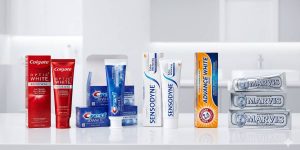
Best overall, Colgate Optic White Renewal
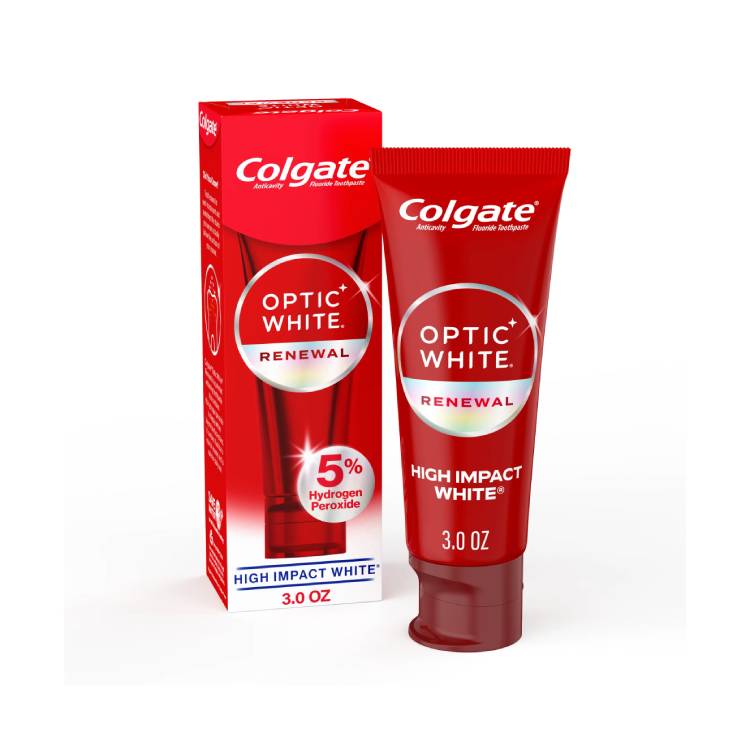
Among the most frequently recommended options, Colgate Optic White Renewal stands out because of its combination of whitening performance with daily usability.
Its formula uses hydrogen peroxide and fluoride, making it appealing to people who want visible brightening while still supporting cavity protection. For many readers searching for the best whitening toothpastes in 2026, this remains one of the strongest all-around choices.
Best for sensitive teeth, Sensodyne Extra Whitening
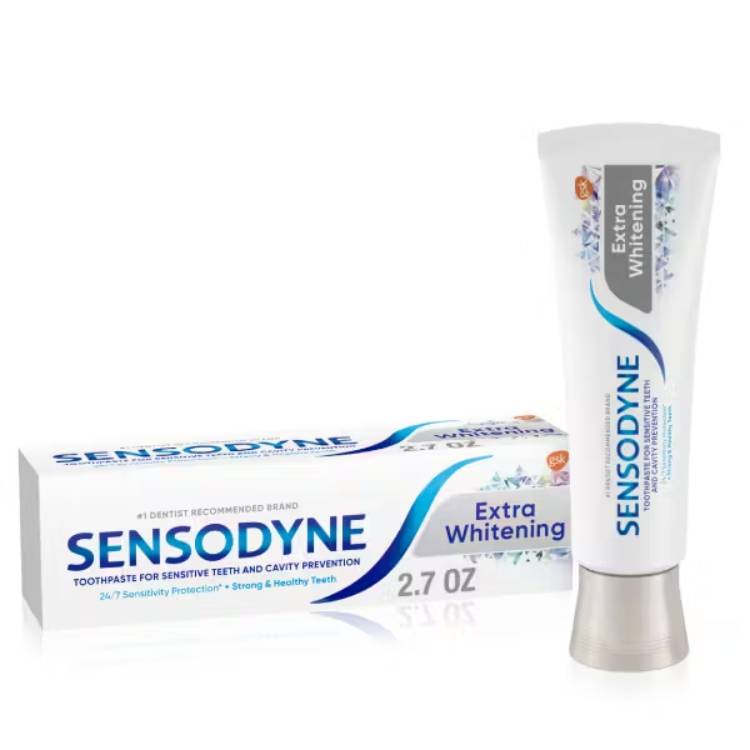
For people dealing with tooth sensitivity, whitening can be frustrating. Sensodyne Extra Whitening is often preferred because it focuses on gentle stain removal while helping calm sensitivity triggers.
Patients who want a brighter smile without sharp discomfort often prefer this kind of balanced formula. It is particularly useful for anyone already working on long-term oral hygiene improvement.
Best budget option, Arm & Hammer Advance White
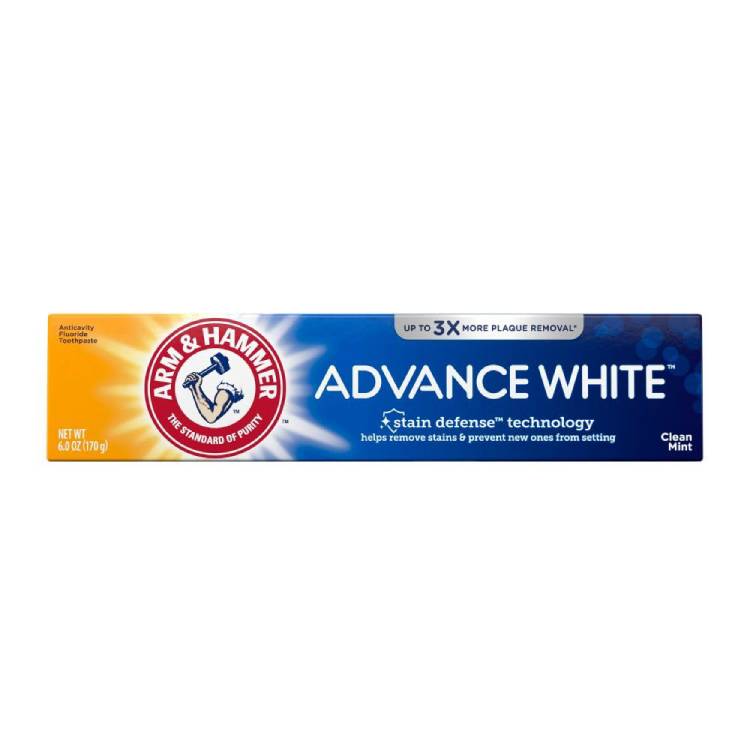
Arm & Hammer Advance White remains popular because baking soda offers stain removal without requiring a premium price. It may not whiten as aggressively as peroxide-based formulas, but for everyday use, it can be a practical option for lighter surface staining.
Best for stubborn stains, Crest 3D White
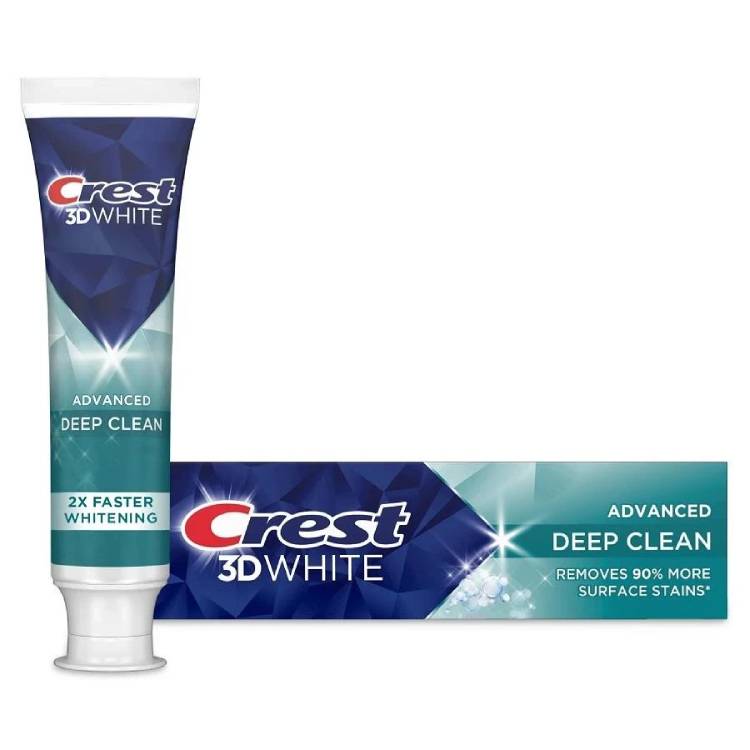
For heavier coffee, tea, or smoking stains, Crest 3D White is often chosen because of its stronger stain-focused positioning. Many users looking for a smile makeover start with stronger over-the-counter formulas like this before considering professional whitening.
Best Premium Option, Marvis Whitening Mint
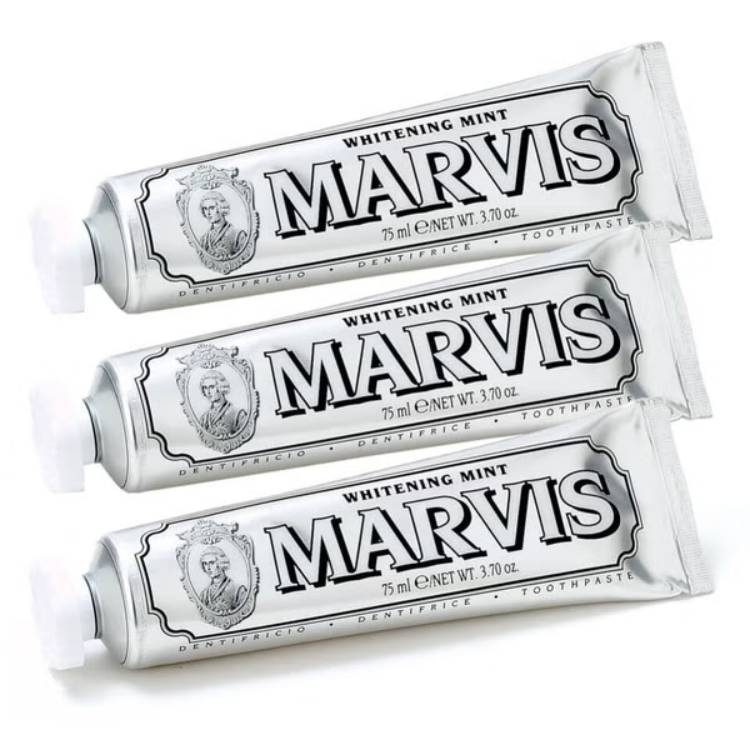
Marvis Whitening Mint is often chosen by people who care as much about the experience as the results. It focuses on gentle polishing agents rather than aggressive bleaching, helping remove everyday surface stains while maintaining enamel safety.
While it is not designed for dramatic whitening, it is appreciated for its refined taste, aesthetic appeal, and consistent daily freshness, making it a popular choice for a more lifestyle-oriented oral care routine.
Ingredients That Matter Most
When comparing whitening products, the ingredient list often matters more than the marketing on the box. Understanding what each ingredient does helps you choose a formula that fits your goals rather than simply buying the most heavily advertised product. A quick look at the label can often tell you more about results than the promises on the packaging.
Hydrogen Peroxide
Hydrogen peroxide is one of the most recognized whitening ingredients in modern toothpaste. Rather than only polishing the tooth surface, it helps chemically break down stain compounds. That is why peroxide-based formulas are often preferred for more noticeable whitening.
For people with deeper staining, this ingredient is often what makes the biggest visible difference over time.
Baking Soda
Baking soda is valued for its mild polishing action. It helps remove stains caused by everyday food and drink while often feeling less aggressive than harsher abrasives. That is one reason it remains a popular option for people who want gradual whitening without feeling too harsh on their teeth.
Fluoride
Fluoride remains essential. Even when people focus on whitening, cavity protection should still matter. A whitening toothpaste that lacks good enamel support may not be the smartest long-term choice. Keeping teeth strong while whitening helps protect the overall health of your smile.
Why protecting tooth enamel matters
The goal is not just whiter teeth, it is healthier teeth. If tooth enamel becomes worn down, teeth may look more yellow over time because the underlying dentin becomes more visible.
Once enamel is lost, it does not naturally grow back, which makes protection especially important.
That is why many patients discussing whitening with a dentist in Toronto are advised to choose enamel-safe daily formulas rather than overly aggressive ones. A safer approach usually delivers better long-term results than chasing quick changes.
Read more: “Ways for Quick Teeth Whitening.”
How to Choose the Right Whitening Toothpaste
The best whitening toothpaste depends on your individual needs. In the next sections, we will break down how stain type, sensitivity, and daily habits can affect which product works best for you. Choosing the right product becomes much easier once you understand what your teeth actually need.
For sensitive teeth
If your teeth already react to cold, sweet, or air exposure, avoid highly abrasive formulas. A gentler whitening toothpaste for sensitive teeth is usually the better choice, especially for long-term use. A slower but more comfortable whitening routine is often easier to stick with consistently.
For coffee, tea, and smoking stains
Surface staining from dark beverages often responds well to peroxide or polishing formulas. For many adults, these stains are the main reason they begin searching for whitening toothpastes. With regular use, many people notice these everyday stains gradually becoming less noticeable.
For daily long-term use
Not everyone wants dramatic whitening. Many people simply want to prevent stains from building up. An enamel-safe daily whitening toothpaste can work well for maintenance between regular check-ups and cleaning visits. For many people, consistency matters far more than using the strongest formula available.
When whitening toothpaste may not be enough
If stains are internal, older, or linked to restorations, whitening toothpaste may not be enough. In these cases, options like professional dental bleaching or even cosmetic solutions such as a dental veneer may be more appropriate. Knowing the cause of discoloration can help you avoid wasting time on products that are unlikely to work.
Not Sure Which Whitening Option Is Right for You?
If you are thinking about whitening your teeth, the best first step is understanding what is causing the discoloration. At Pearl Dental Group, a professional assessment can help determine whether whitening toothpaste is enough or if another treatment would be more effective for your smile.
What Whitening Toothpastes Can and Cannot Do
One reason this topic creates confusion is unrealistic expectations. Whitening toothpaste can be useful, but it is important to know where its limits begin. Understanding those limits helps you judge results more realistically and avoid disappointment.
What whitening toothpaste improves
It can make teeth look cleaner, fresher, and brighter. For people with mild staining, the right whitening toothpaste formula can noticeably improve smile appearance. Even small improvements can make a smile look healthier and more refreshed.
When professional whitening works better
For deeper or more stubborn discoloration, professional whitening usually produces stronger results. This is especially true when stains have built up over many years or sit below the enamel surface.
That is why many patients first try over-the-counter whitening, then later discuss treatment options with a family dentist. Professional guidance can often save time and lead to more predictable results.
Common mistakes that can increase sensitivity
A common mistake is brushing too hard or using strong whitening formulas too often. More aggressive use does not always mean faster results. In fact, it can increase sensitivity and contribute to unnecessary enamel wear. A gentler, steady routine usually gives better results while keeping your teeth more comfortable.
Professional Dental Guidance
At Pearl Dental Group, we believe oral health advice should reflect the condition of your individual teeth and gums. The information in this article is shared for general educational purposes only and should not be used as a substitute for professional dental advice, diagnosis, or treatment. Because whitening products can affect people differently depending on enamel condition, tooth sensitivity, and existing dental work, what works well for one person may not be the right choice for another.
Read more: “Best Teeth Whitening for Smokers: Pro vs. At-Home Solutions.”
Conclusion
The best whitening toothpaste choice depends on stain type, sensitivity level, and long-term dental goals. A product that works well for one person may not be ideal for another.
What matters most is choosing a formula with proven ingredients, realistic expectations, and daily enamel safety. A toothpaste that gently removes surface stains while protecting tooth structure is generally more valuable than one that simply promises dramatic whitening results.
According to research published on PubMed, whitening toothpastes can help reduce extrinsic stains, but their effectiveness varies depending on formulation, and they are not a substitute for professional whitening when deeper discoloration is present.
For many people, whitening toothpaste is an excellent first step toward a brighter smile. However, if discoloration is more persistent or intrinsic, professional dental advice can help determine whether at-home care is sufficient or if in-office treatments may be more appropriate.
FAQ
1. Does whitening toothpaste actually work?
Yes. Most whitening toothpastes help remove surface stains, but they usually do not dramatically change the natural internal colour of teeth.
2. What is the best whitening toothpaste for sensitive teeth?
Products like Sensodyne Extra Whitening are commonly chosen because they balance whitening with sensitivity protection.
3. Is peroxide better than abrasive whitening toothpaste?
Peroxide can help break down stains chemically, while abrasives mainly polish away external discoloration. Which one is better depends on your goals and sensitivity level.
Have you tried any of these whitening toothpastes? Tell us which one you used and whether you noticed a real difference. We’d love to hear about your experience.