


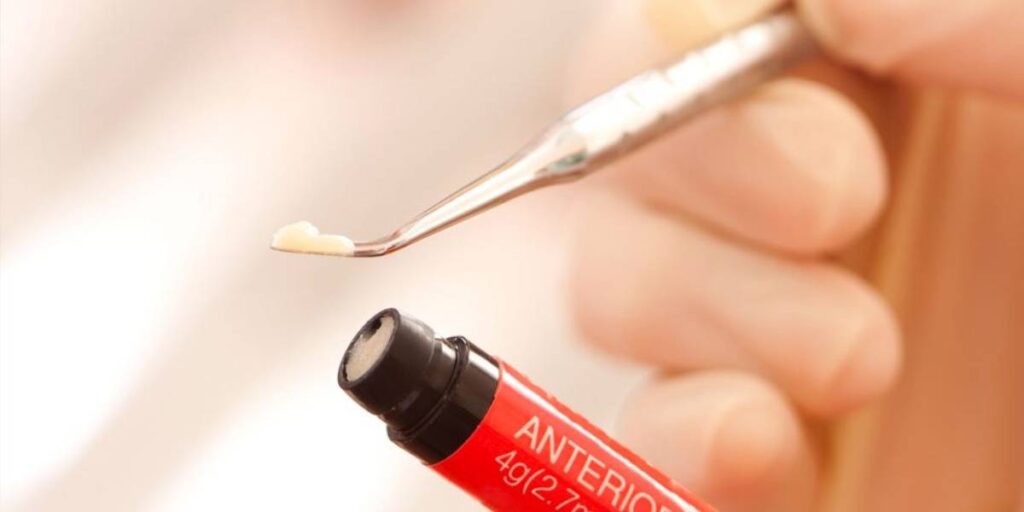
A bright smile can boost confidence, but many people become frustrated when they notice their front-tooth fillings no longer match the color of their natural teeth. This is especially common after teeth whitening treatments, where natural enamel becomes lighter while older fillings remain unchanged. As a result, patients often begin searching for ways to whiten fillings on front teeth and improve the overall appearance of their smile.
The challenge is that composite fillings do not respond to whitening products the same way natural teeth do. While whitening treatments can remove stains from enamel, they cannot bleach composite resin materials used in cosmetic restorations. Understanding this difference is important before starting any whitening treatment.
In this guide, we will explain why front fillings become discolored, whether fillings can be whitened, and which cosmetic options may help address color mismatch safely and effectively.

Why Front Tooth Fillings Change Color Over Time
Many patients notice that their front fillings gradually appear darker, yellower, or more noticeable over the years. This often happens because natural enamel and composite resin materials age differently. Understanding why this discoloration occurs helps patients make better decisions about cosmetic treatment and long-term maintenance.

How composite fillings absorb stains
Composite fillings are made from resin-based materials designed to blend with natural enamel. Although these materials initially look natural, they are slightly porous and may absorb pigments from foods and beverages over time.
Coffee stains, tea, red wine, smoking, and certain acidic foods can gradually stain the surface of composite fillings. Unlike natural enamel, composite resin does not respond well to traditional tooth bleaching products. This is one reason many patients try to whiten fillings on front teeth after noticing visible discoloration.
Difference between enamel and filling materials
Natural tooth enamel contains minerals that react to whitening agents such as hydrogen peroxide and carbamide peroxide. Whitening gels work by breaking apart stain molecules within the enamel structure.
Composite resin materials behave differently. Since fillings are artificial restorations rather than living enamel, whitening products cannot chemically lighten them in the same way. This often creates a noticeable color mismatch after whitening treatment.
Common causes of filling discoloration
Several factors contribute to front tooth filling discoloration over time, including:
- Smoking stains
- Poor oral hygiene
- Aging composite resin
- Surface wear and roughness
- Dark-colored beverages
- Plaque buildup
In some situations, older fillings may also lose their polish and become rougher, making stains attach more easily. Patients who already have a visible dental filling on a front tooth may notice discoloration more quickly than those with newer restorations.
Can You Whiten Fillings on Front Teeth?
One of the most common questions patients ask is whether fillings themselves can actually become whiter. The short answer is usually no. However, there are still several ways dentists can improve the appearance of stained or mismatched fillings.
Before choosing treatment, it is important to understand what whitening products can and cannot do for composite restorations.
Why whitening products do not bleach fillings
Whitening products are designed to work only on natural enamel. Ingredients such as hydrogen peroxide penetrate the tooth surface and help lift internal and external stains from enamel.
Composite fillings do not contain the same mineral structure as natural teeth. Because of this, whitening products cannot chemically change their color. Patients searching for how to whiten fillings on front teeth are often surprised to learn that the surrounding enamel may whiten while the filling remains unchanged.
What happens when natural teeth whiten but fillings do not
When patients undergo professional whitening, their natural teeth often become several shades lighter. However, existing fillings may stay the same color. This difference can make front fillings appear darker or more visible than before treatment.
This situation is especially common with older cosmetic restorations and front tooth bonding. Patients considering professional teeth whitening with fillings should understand that replacement fillings may sometimes be needed afterward to restore a more natural appearance.
Can polishing improve stained fillings?
In some cases, professional dental polishing can help improve mild surface staining on composite fillings. Dentists use specialized polishing tools to smooth the outer surface and remove superficial discoloration.
However, polishing only helps with surface stains. Deep discoloration inside older fillings often cannot be removed completely. When polishing no longer improves appearance, replacing the restoration may become the better option.
Read more: “Dental Filling Materials”
Best Options for Whitening Teeth With Front Fillings
Treatment depends on whether the problem involves stained enamel, stained fillings, or both. Dentists often combine whitening and cosmetic replacement techniques to safely improve smile aesthetics.
Patients trying to whiten fillings on front teeth usually achieve the best results through professional cosmetic planning rather than over-the-counter products alone.
Professional teeth whitening before replacing fillings
Many dentists recommend whitening natural teeth first before replacing visible front fillings. This approach allows the dentist to match new composite restorations to the lighter tooth shade afterward.
Procedures such as Zoom teeth whitening may significantly brighten natural enamel in a short time. Once the whitening color stabilizes, dentists can replace visible fillings to better match the surrounding teeth.
Replacing old fillings to match whiter teeth
Sometimes the most effective solution is replacing old composite restorations entirely. Newer composite materials often provide improved polish, stain resistance, and more natural shade matching.
Patients considering replacing fillings after teeth whitening often achieve more balanced cosmetic results this way, especially when front teeth are highly visible during smiling or speaking.
Dental bonding for cosmetic improvement
Dental bonding may help address small cosmetic concerns such as discoloration, uneven edges, or minor defects around existing fillings. Composite bonding materials can reshape and improve the smile appearance conservatively.
Some patients who initially search for ways to whiten fillings on front teeth later discover that cosmetic bonding provides a more predictable aesthetic improvement.
Porcelain veneers for severe discoloration
For severe discoloration or multiple cosmetic concerns, a dental veneer or laminate veneer may provide a longer-lasting cosmetic solution. Veneers cover the front surfaces of teeth and can create a more uniform appearance of the smile.
This option is typically considered when discoloration involves both fillings and surrounding enamel or when patients desire a broader cosmetic smile makeover.
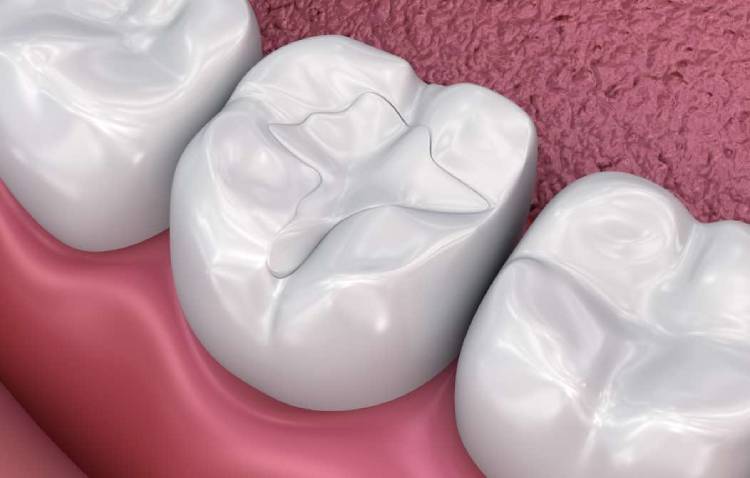
Professional Whitening vs At-Home Whitening for Patients With Fillings
Not all whitening methods produce the same results, especially when visible restorations are present. Understanding the differences between professional and at-home whitening helps patients avoid unrealistic expectations.
In-office whitening treatments
In-office whitening treatments are usually stronger and more controlled than over-the-counter products. Dentists monitor gum protection, sensitivity, and whitening progress carefully during treatment.
Professional whitening may still improve the overall appearance of teeth surrounding the fillings, even if the restorations themselves do not whiten.
Concerned About Stained or Mismatched Front Fillings?
If your front tooth fillings no longer match the color of your natural teeth, professional cosmetic treatment may help improve the appearance of your smile safely and naturally. At Pearl Dental Group, we provide personalized solutions for patients looking to whiten fillings on front teeth, replace stained restorations, and achieve better smile balance with long-term oral health in mind. Book a consultation today to learn which cosmetic option may be right for you.
Whitening trays and take-home kits
Custom whitening trays may provide gradual whitening results over several weeks. Some patients prefer this slower approach because it can reduce tooth sensitivity compared to stronger in-office procedures. However, whitening trays do not directly bleach composite resin restorations.
Whitening toothpaste and whitening strips
Whitening toothpaste mainly removes surface stains rather than deeply bleaching teeth. Some abrasive formulas may gradually roughen older composite restorations, making discoloration more noticeable over time.
Whitening strips also work only on natural enamel and may increase color mismatch around older front fillings.
Risks of overusing whitening products
Overusing whitening products can increase tooth sensitivity and contribute to enamel irritation. Aggressive brushing with abrasive whitening toothpaste may also wear down composite materials.
Patients trying repeatedly to whiten fillings on front teeth at home sometimes worsen the cosmetic mismatch instead of improving it.
Read more: “Everything You Should Know About Dental Fillings: Myths & Facts”
How Dentists Match Fillings to Whitened Teeth
Cosmetic dentistry requires careful planning when replacing visible front restorations. Dentists use shade guides and lighting techniques to help create a more natural appearance.
Shade matching process
Dentists compare tooth color using specialized shade guides under controlled lighting conditions. This helps create restorations that blend naturally with surrounding enamel.
Matching front teeth properly is especially important because even small differences may become highly noticeable.
Timing replacement fillings after whitening
Most dentists recommend waiting approximately one to two weeks after whitening treatment before replacing visible restorations. This allows tooth color to stabilize fully before selecting the final shade.
This process helps improve long-term success when matching fillings after whitening procedures.
Why cosmetic planning matters for front teeth
Front teeth are highly visible during smiling, speaking, and social interaction. Small color inconsistencies may significantly affect the aesthetics of a smile. This is why cosmetic planning often matters just as much as the whitening treatment itself.
Signs Your Front Fillings May Need Replacement
Discoloration alone is not always the only concern. Dentists also evaluate the overall condition and function of restorations during cosmetic assessments.
Cracks, rough edges, or wear
Older fillings may develop rough edges, small fractures, or surface wear that traps stains more easily. These defects may also affect comfort and appearance.
Persistent staining that polishing cannot remove
Some composite restorations absorb deep stains over time that cannot be corrected through polishing alone. In these situations, replacement fillings may offer better cosmetic improvement.
Gaps around fillings or recurrent decay
Gaps between fillings and enamel may allow bacteria to enter underneath the restoration. This can eventually lead to recurrent decay or structural weakness requiring treatment.
Color mismatch affecting smile appearance
Visible color mismatch is one of the most common reasons patients seek cosmetic replacement of front restorations.
In some cases, larger restorations may eventually require alternative treatments, such as a dental crown, if structural support is compromised.
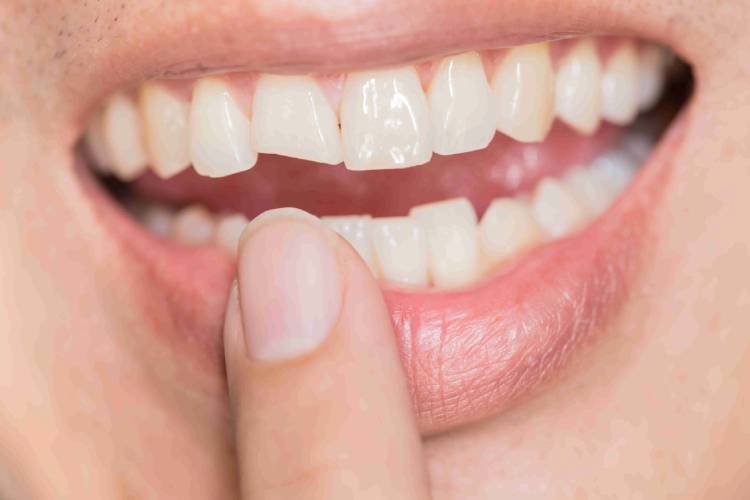
How to Prevent Front Fillings From Staining Again
Although some discoloration is unavoidable over time, proper care can help maintain cosmetic restorations longer.
Good oral hygiene habits
Daily brushing, flossing, and regular oral hygiene care help reduce plaque buildup and staining around restorations. Consistent home care also helps fillings maintain a smoother surface that is less likely to absorb discoloration over time.
Limiting coffee, tea, and tobacco stains
Reducing exposure to highly pigmented foods and smoking may significantly slow staining. Drinking water after dark beverages and avoiding tobacco products may help preserve a brighter smile longer.
Regular professional dental cleaning
Routine cleanings help remove plaque and surface discoloration before stains become deeply embedded. Professional polishing may also help improve the appearance of mildly stained composite fillings.
Choosing enamel-safe whitening products
Patients should avoid excessively abrasive products that may damage both enamel and composite surfaces. Using dentist-recommended whitening products can help reduce sensitivity and protect long-term oral health.
Read more: “When Do You Need to Get a Dental Filling?”
Why personalized cosmetic evaluations matter
Every patient’s smile, filling material, and tooth color are different. Professional evaluation helps determine whether polishing, whitening, bonding, or restoration replacement will provide the most natural-looking result.
Importance of long-term oral health before cosmetic treatment
Healthy gums, stable enamel, and properly functioning restorations create the best foundation for successful cosmetic treatment. In some situations involving fractures or structural damage, procedures such as broken tooth repair may be necessary before cosmetic whitening or bonding begins.
Professional Cosmetic Dentistry Services at Pearl Dental Group
At Pearl Dental Group, treatment recommendations are based on each patient’s oral health condition, cosmetic goals, and long-term dental needs. The clinic provides professional dental services, including cosmetic dentistry, composite bonding, whitening treatments, veneers, crowns, restorative dentistry, smile evaluations, and other patient-focused dental services. This article is intended for educational purposes only and should not replace professional diagnosis or personalized treatment planning from a licensed dentist in Toronto.
Conclusion
Trying to whiten fillings on front teeth can be frustrating when patients expect whitening products to work equally well on both enamel and composite restorations. While natural teeth may respond well to bleaching agents, composite fillings do not chemically whiten the same way.
The best cosmetic results often come from combining professional whitening with replacement fillings, bonding, or, when needed, veneers. Understanding realistic expectations, protecting oral health, and working with a qualified dental professional can help patients improve the appearance of their smile safely while maintaining long-term function and aesthetics.
According to research published in PubMed, tooth-colored restorative materials can respond differently to staining and bleaching than natural tooth structure, underscoring the importance of proper cosmetic treatment planning before whitening teeth with visible front fillings.
FAQ
1. Can fillings on front teeth be whitened?
No. Whitening products do not chemically bleach composite fillings the way they whiten natural enamel.
2. Why do fillings look darker after whitening teeth?
Natural enamel becomes lighter during whitening, while existing fillings remain the original shade.
3. Do veneers look better than composite fillings?
Porcelain veneers may provide greater stain resistance and more consistent aesthetics for some patients.
4. Can bonding be replaced after teeth whitening?
Yes. Composite bonding can often be replaced or adjusted after whitening treatment for better shade matching.
Have you ever noticed your front fillings looking darker after whitening your teeth? Share your experience or questions in the comments. Many patients don’t realize fillings and natural teeth whiten differently until they see the results themselves.