

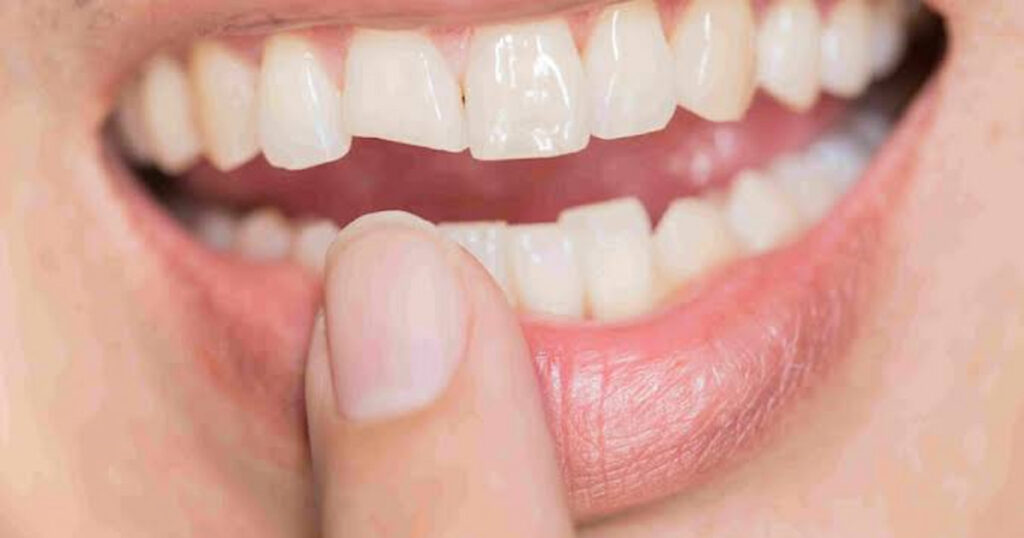
A cracked or broken tooth can occur unexpectedly while eating, playing sports, or during an accident, or from years of wear and tear. One of the first questions many patients ask is whether the damage is serious enough to be considered a dental emergency.
The answer depends on the location and severity of the damage, as well as the symptoms you experience. A small chip without pain may not require immediate treatment, but a deep crack, severe pain, swelling, bleeding, or an exposed nerve often requires urgent dental care.
Understanding the signs of a cracked or broken tooth dental emergency can help you make informed decisions and protect your oral health. In this guide, we explain the symptoms, causes, treatment options, and steps to take if a tooth is damaged.
If you need immediate care, learn more about available emergency dental treatment options at Pearl Dental Group.

Signs Your Cracked or Broken Tooth Is a Dental Emergency
Recognizing the warning signs of a serious dental injury can help prevent complications and improve the chances of saving the tooth. While some symptoms may seem minor at first, they can indicate more serious structural damage.
Severe Tooth Pain
A persistent or intense toothache is one of the most common signs that the inner portion of the tooth has been affected. Pain that worsens over time should never be dismissed, as it may indicate infection or progressive damage.
Sharp Pain When Biting
A cracked tooth often causes pain when pressure is applied during chewing. Some patients describe a sudden sharp sensation when biting down or releasing pressure. This symptom frequently occurs when a crack moves slightly under chewing forces, irritating the nerve inside the tooth.
Sensitivity to Hot and Cold
When enamel is damaged, the underlying dentin becomes exposed. This can make the tooth highly sensitive to temperature changes. Sensitivity that persists after eating or drinking may indicate that the crack extends deeper into the tooth structure.
Learn more about dealing with tooth sensitivity and when it may require professional attention.
Swelling Around the Tooth
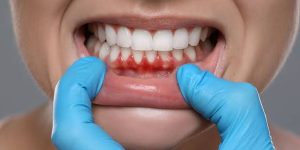
Swelling is often a sign of inflammation or infection. It may appear around the gums near the damaged tooth or extend into the cheek and jaw. Facial swelling should always be evaluated promptly because it may indicate a spreading infection.
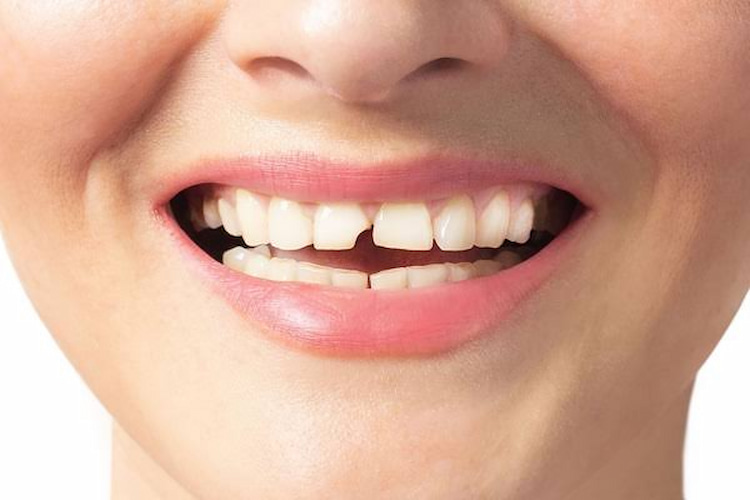
Visible Tooth Damage
A visible fracture, a missing section of tooth, or exposed inner layers often indicates significant structural damage. Even if pain is minimal, visible damage should be assessed quickly to prevent further complications.
Signs of Infection
Symptoms may include swelling, tenderness, fever, bad breath, a bad taste in the mouth, or drainage near the tooth. Dental infections rarely resolve on their own and typically require professional treatment.
If you are unsure whether your situation requires urgent care, read our guide to quickly and easily find an emergency dentist near you.
Common Causes of Cracked and Broken Teeth
Understanding what causes teeth to crack or break can help patients take preventive measures and reduce their risk of future injuries. Many tooth fractures occur suddenly, but others develop gradually due to repeated stress placed on the teeth over time.
- Biting Hard Foods: Hard foods such as ice, popcorn kernels, nuts, and hard candies can place excessive pressure on teeth.
- Teeth Grinding and Clenching: Bruxism, or chronic grinding and clenching, places repeated stress on the teeth. Over time, this pressure can weaken enamel and create small fractures that eventually become larger cracks.
- Sports Injuries: Athletes who participate in contact sports face an increased risk of dental trauma.
- Falls and Accidents: Falls, vehicle accidents, and other traumatic injuries can cause significant damage to the teeth and surrounding structures.
- Aging Teeth: Decades of chewing and exposure to temperature changes can make teeth more susceptible to fractures.
The Difference Between a Cracked, Chipped, and Broken Tooth?
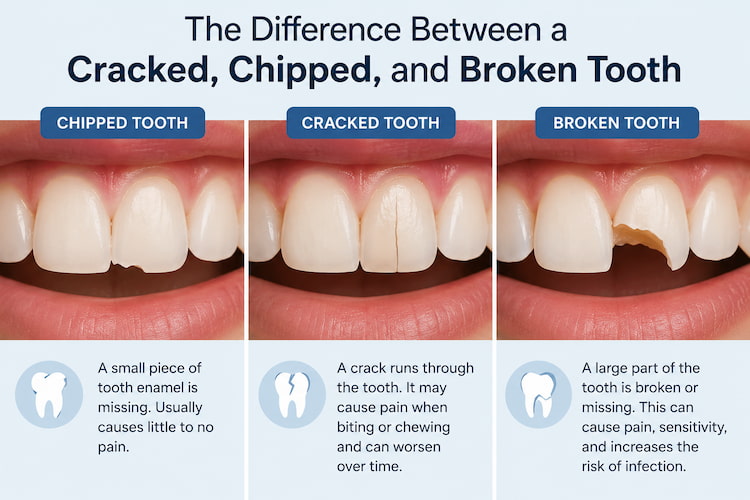
Not all tooth damage is the same. The terms cracked, chipped, and broken tooth are often used interchangeably, but they describe different types of dental injuries. Understanding these differences can help you better assess the situation and communicate your symptoms to your dentist.
The severity of the damage often determines the urgency of treatment and the type of procedure needed to restore the tooth.
What Is a Cracked Tooth?
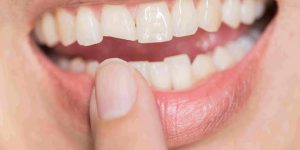
A cracked tooth contains a fracture that extends through part of the tooth structure. Some cracks are small and difficult to see, while others may extend deeper into the tooth. Cracks can sometimes cause pain when biting or chewing and may worsen over time if left untreated.
Learn more about the different types of tooth fractures.
What Is a Chipped Tooth?
A chipped tooth usually involves a small piece of enamel breaking away. Minor chips often cause little toothache, especially if only the outer layer of the tooth is affected. However, larger chips may expose sensitive areas and require treatment.
What Is a Broken Tooth?
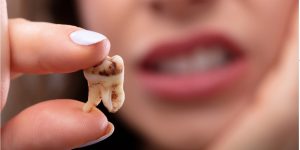
A broken tooth typically involves more extensive structural damage. A large portion of the tooth may be missing, making the tooth weaker and more vulnerable to infection and further breakage.
If you would like to learn more about treatment options to restore a broken tooth, explore the available options.
Situations That Require Immediate Dental Attention
The following signs often indicate a dental emergency:
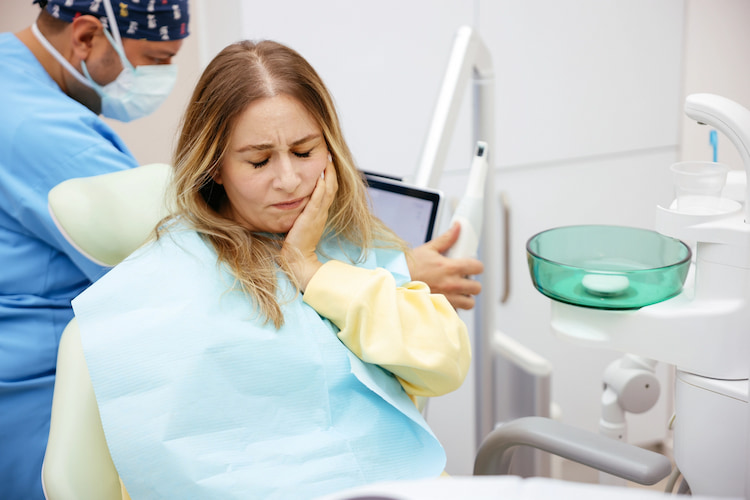
- Severe or persistent tooth pain
- Significant swelling of the gums or face
- Bleeding that does not stop
- An exposed nerve or visible inner tooth structure
- Difficulty chewing due to pain
- Signs of infection, such as fever or pus
If any of these symptoms are present, contacting an emergency dentist immediately is recommended.
Situations That May Not Require Immediate Emergency Care
A small chip that affects only the enamel and causes no pain or tooth sensitivity may not require same-day treatment. Similarly, a minor cosmetic flaw that does not interfere with chewing may be able to wait for a scheduled dental appointment.
Even in these situations, it is important to have the tooth examined promptly. Small areas of damage can create weak points that become larger fractures over time.
Emergency Dental Care When You Need It Most!
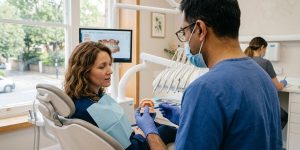
Pearl Dental Group provides prompt assessment and treatment for cracked, chipped, and broken teeth. Our team is committed to restoring your comfort and protecting your smile as quickly as possible.
Treatment Options for Cracked and Broken Teeth
Treatment depends on the extent of the damage, the location of the fracture, and whether the dental pulp has been affected. The goal is always to preserve as much natural tooth structure as possible while restoring function and comfort.
Dental Bonding
Dental Bonding is commonly used for minor chips and small fractures. Tooth colored resin is applied and shaped to restore the appearance and function of the tooth.
Dental Fillings
When damage is limited to a small area, a dental filling may be sufficient to restore strength and protect the tooth from further deterioration.
Dental Crowns
Crowns cover the entire visible portion of the tooth, providing protection and reinforcement. Dental crowns are often recommended for teeth with significant structural damage.
Root Canal Treatment
If the crack reaches the pulp, root canal treatment may be necessary to remove infected tissue and preserve the remaining tooth structure.
Tooth Extraction
When a tooth cannot be repaired, tooth extraction may be the safest option. Modern replacement solutions such as dental implants and bridges can restore appearance and function.
Learn more about the most common tooth replacement options and how they can help restore your smile and oral health.
Meet Your Dentist
Dr. Ebrahim Aminsalehi
Dr. Ebrahim Aminsalehi is committed to helping patients achieve healthy, beautiful smiles through personalized and modern dental care. With expertise in restorative and cosmetic dentistry, Dr. Aminsalehi provides comprehensive treatment solutions designed to improve both oral health and smile aesthetics.
How to Prevent Cracked and Broken Tooth
Although accidents cannot always be prevented, many tooth fractures can be avoided through good oral habits and preventive dental care. Protecting your teeth from excessive force and addressing dental problems early can significantly reduce your risk.
- Wear a mouthguard during sports activities
- Use a night guard if you grind your teeth
- Avoid chewing ice and hard objects
- Never use your teeth to open packages
- Attend routine dental checkups
- Treat cavities and weakened teeth early
For more practical tips on protecting your smile and maintaining strong teeth, read our guide on healthy dental habits.

Protect Your Smile After a Cracked or Broken Tooth Dental Emergency
A cracked or broken tooth dental emergency can be alarming, but prompt treatment can often help preserve your natural tooth and prevent more serious complications. Understanding the warning signs of a dental emergency, knowing what steps to take immediately after the injury, and seeking professional care as soon as possible can make a significant difference in treatment success and long-term oral health.
A professional dental evaluation allows your dentist to determine the extent of the damage and recommend the most appropriate treatment based on your individual needs.
FAQ
-
Can a cracked tooth heal on its own?
No. Unlike bone or soft tissue, a cracked tooth cannot repair itself. Once a fracture develops, professional treatment is usually necessary to prevent the crack from spreading and causing additional damage.
-
How long can I wait to see a dentist for a cracked tooth?
It is best to schedule an appointment as soon as possible. Even if the tooth is not painful, hidden damage may be present, and delaying treatment can increase the risk of infection or a larger fracture.
-
Is a broken tooth always painful?
No. Some broken teeth cause immediate pain, while others may not produce symptoms right away. However, the absence of pain does not mean the tooth is healthy or that treatment is unnecessary.
-
Can a cracked tooth cause an infection?
Yes. Cracks create pathways that allow bacteria to enter the tooth. If bacteria reach the pulp, an infection or dental abscess can develop and may require root canal treatment or other procedures.
Have you experienced a cracked or broken tooth?
What symptoms did you notice, and how quickly did you seek treatment? Share your questions or experiences below.