

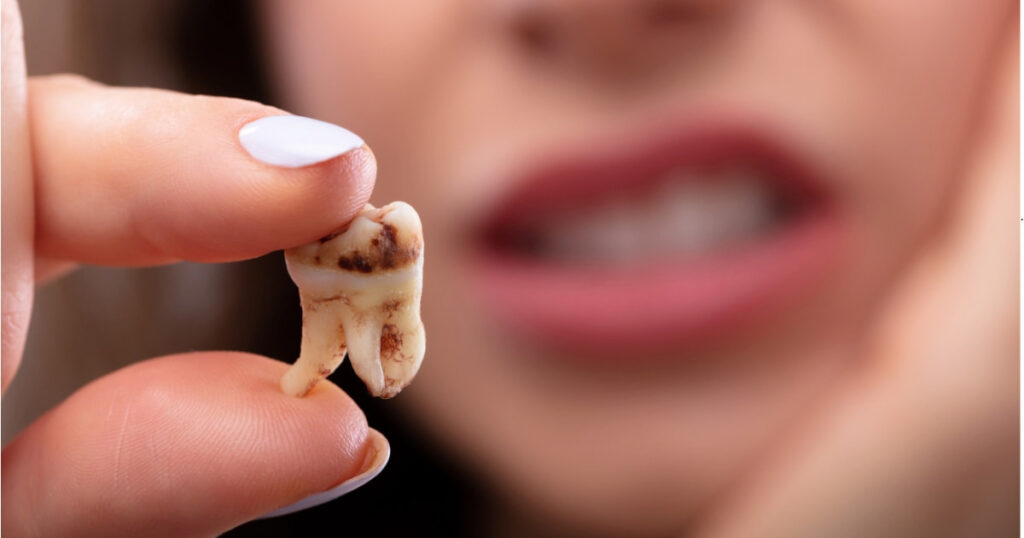
A knocked-out tooth is one of the most urgent dental emergencies. Unlike many other dental injuries, there is a limited window of time during which a tooth may be successfully placed back into its socket. The first 30 minutes are often the most important because the living cells attached to the tooth root begin to deteriorate once the tooth is outside the mouth.
If a permanent tooth is knocked out, quickly finding the tooth, handling it properly, keeping it moist, and seeing an emergency dentist immediately can significantly improve the chances of saving it. Knowing exactly what to do before reaching the dental office can make a major difference in the outcome.
If you need urgent treatment, Pearl Dental Group provides knocked-out tooth reattachment services in North York. We keep same-day slots free for emergency cases. Call us at (647) 800-0318.

What to Do Immediately After a Knocked-Out Tooth
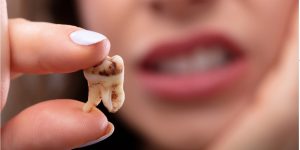
A knocked-out tooth, also known as an avulsed tooth according to the Cleveland Clinic, occurs when the entire tooth is displaced from its socket due to trauma. Common causes include sports injuries, falls, vehicle accidents, and direct impacts to the face.
The best outcomes typically occur when a knocked-out tooth is repositioned within the first 30 minutes. While some teeth can still be saved after longer periods, treatment success generally decreases as more time passes.
Find the Tooth Quickly
Locate the tooth as soon as possible. Pick it up carefully and avoid unnecessary handling.
Hold the Tooth by the Crown Only
Always hold the tooth by the visible chewing surface or crown. Avoid touching the root surface, as it contains important living cells that should remain intact.
Rinse the Tooth Gently if Necessary
If dirt or debris is present, briefly rinse the tooth with clean water or saline solution. Do not scrub the tooth, use soap, or wipe the root with a cloth.
Try to Place the Tooth Back Into the Socket
If possible, gently place the tooth back into its socket in the correct orientation. Once it is positioned properly, bite down gently on clean gauze or a soft cloth to help keep it stable while traveling to the dentist.
Seek Emergency Dental Care Immediately
Contact an emergency dentist right away, even if the tooth appears secure after reinsertion. Professional treatment is necessary to evaluate the injury and improve long-term success. If you are wondering whether a tooth can be successfully reattached after an accident, learn more in our guide on whether it is possible to reattach a knocked-out tooth.
Best Ways to Store a Knocked-Out Tooth
In some situations, reinserting the tooth immediately may not be possible. The next best option is to store the tooth correctly until you reach the dentist.
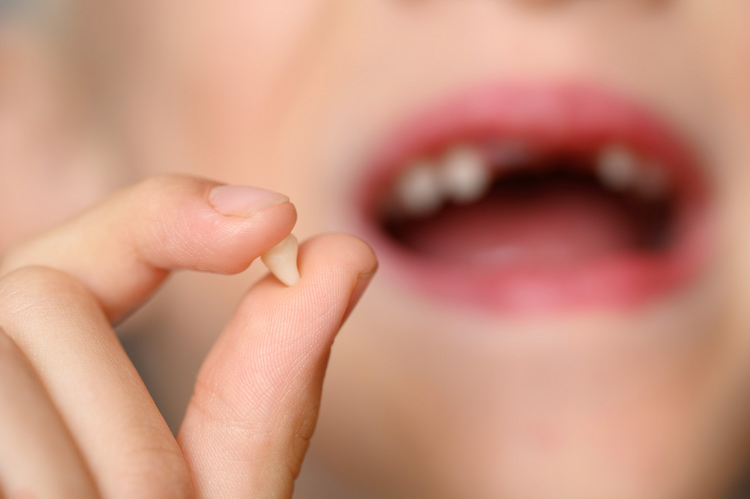
If reinsertion cannot be performed, keep the tooth moist using one of the following options:
- Cold milk
- Saline solution
- Tooth preservation solution if available
- Inside the mouth, between the cheek and gums, if the person is old enough to avoid swallowing it
Storage Methods to Avoid
Certain storage methods can damage the cells on the root surface. Avoid:
- Wrapping the tooth in tissue or a paper towel
- Storing it dry
- Using hot water
- Cleaning products or disinfectants
Read our guide on how to find an emergency dentist near you.
Common Mistakes That Can Reduce the Chance of Saving a Knocked-out Tooth
Many people unknowingly make errors that can affect treatment success.
- Scrubbing the Root: Aggressive cleaning may damage important cells that help the tooth reattach.
- Delaying Treatment: Waiting several hours before seeing a dentist significantly lowers the chances of successful reimplantation.
- Allowing the Tooth to Dry Out: Even short periods of dryness can negatively affect the survival of root surface cells.
- Touching the Root Repeatedly: Excessive handling increases the risk of contamination and tissue damage.
If you would like to learn more about how dentists manage urgent oral injuries and other emergency situations, read our guide on common dental emergency procedures.
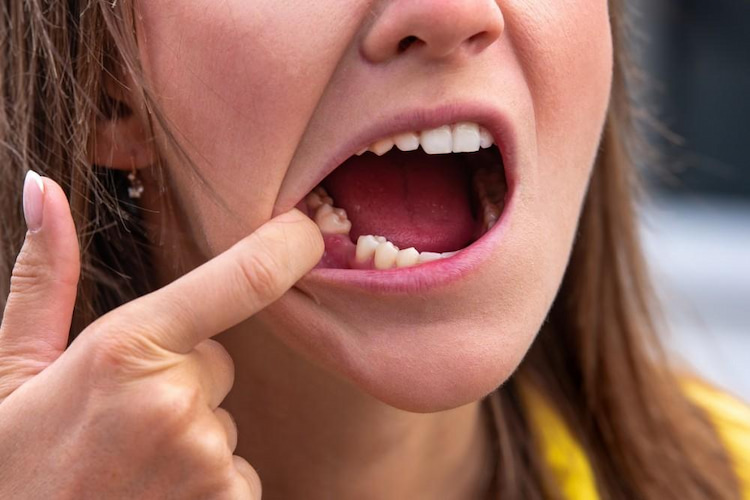
Can a Knocked-Out Tooth Always Be Saved?
Not every knocked-out tooth can be successfully reimplanted, and several factors influence the outcome. The chances of saving the tooth are generally higher when treatment begins quickly, the tooth has been kept moist, and the root surface remains in good condition.
A patient’s age, overall oral health, and the severity of the injury can also affect the success of treatment. In some cases, despite prompt care, the tooth may not heal properly or reattach successfully.
When a knocked-out tooth cannot be saved, your dentist may recommend tooth replacement options such as dental implants, dental bridges, or other restorative treatments to restore both function and appearance.
Emergency Dental Care When Every Minute Counts!
A knocked-out tooth requires urgent attention. Pearl Dental Group offers prompt emergency dental assessments, treatment planning, tooth stabilization, and restorative solutions to help protect your smile after dental trauma.
Meet Your Dentist
Dr. Peyvand Aminsalehi
Dr. Peyvand Aminsalehi is dedicated to helping patients achieve and maintain healthy, confident smiles through personalized dental care. With experience in general, cosmetic, and restorative dentistry, Dr. Aminsalehi focuses on providing comfortable treatment experiences while creating customized solutions for each patient’s unique needs.
How to Prevent a Knocked-Out Tooth
Although accidents cannot always be avoided, certain preventive measures can reduce the risk of a knocked-out tooth. Wearing a custom mouthguard during sports can help absorb impact forces and protect teeth from injury.
It is also important to address dental issues early, as teeth weakened by gum disease or other oral health problems may be more vulnerable to trauma. In addition, practicing general safety measures, such as using appropriate protective equipment and reducing fall risks at home, at work, or in recreational settings, can help reduce the risk of dental injuries and protect your smile.
For additional tips, explore our guide to healthy teeth.
A Knocked Out Tooth Can Still Have a Positive Outcome
A knocked-out tooth is one of the most time-sensitive dental emergencies, but prompt action can significantly improve the chances of saving your natural tooth. Understanding what to do during the first 30 minutes, how to properly handle the tooth, and when to seek emergency dental care can make an important difference in treatment success and long-term oral health.
While not every knocked-out tooth can be successfully reimplanted, advances in emergency dentistry and restorative treatments offer several options to restore function, appearance, and comfort after tooth loss. A professional dental evaluation is essential for determining the condition of the tooth and surrounding tissues and for identifying the most appropriate treatment approach based on your individual needs.
At Pearl Dental Group, our team provides comprehensive emergency dental care, dental examinations, restorative dentistry, root canal treatment, dental crowns, dental bridges, dental implants, family dentistry, cosmetic dentistry, and preventive dental care. We are committed to helping patients protect their oral health and restore healthy, confident smiles through timely treatment and personalized care.
FAQ
-
Can a knocked-out tooth be saved?
Yes. Many knocked-out permanent teeth can be saved if they are handled properly and treated quickly by a dentist.
-
How long can a tooth stay out of the mouth?
The best outcomes usually occur when the tooth is repositioned within 30 minutes, although treatment may still be possible later in some cases.
-
Is milk really good for storing a knocked-out tooth?
Yes. Milk helps preserve cells on the root surface and is among the most commonly recommended storage options.
-
Should I rinse a knocked-out tooth?
Yes, but only gently and briefly. Avoid scrubbing the tooth or using cleaning products.
-
Can a baby tooth be put back into the socket?
No. Baby teeth generally should not be reinserted because they may affect the development of the permanent tooth.
-
Will I need a root canal after a knocked-out tooth?
Some patients may require root canal treatment depending on the severity of the injury and how the tooth heals after reimplantation.
Share your questions or experiences below.
Our team is happy to provide general information and help you understand the next steps for protecting your oral health.