


Many patients worry about dental composite causes bad breath after getting cosmetic dental work. It’s a common concern, especially for those considering Composite Bonding or Dental Veneers. The idea that these treatments might cause Bad Breath can make people hesitate before improving their smile.
The truth is more reassuring. In most cases, dental composite bad breath isn’t caused by the material itself. Instead, it’s usually linked to oral hygiene habits or underlying dental issues. Understanding the real causes can help you prevent problems and maintain fresh breath after treatment.

Can Dental Composite Cause Bad Breath?
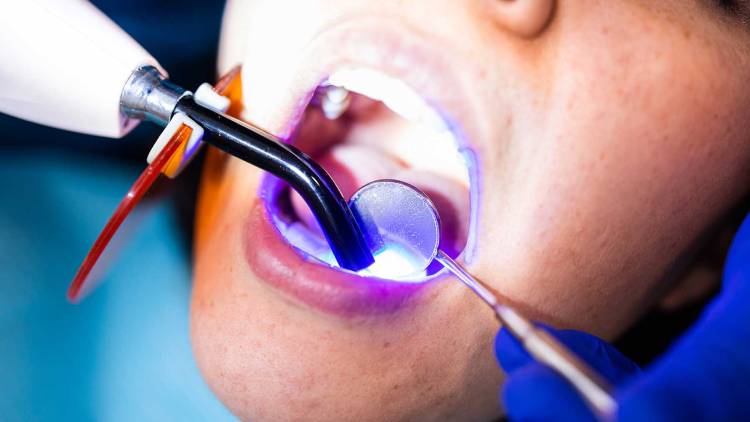
The short answer is no, Composite Resin used in cosmetic treatments does not naturally produce odor. It is a safe, widely used material in modern dentistry and plays a key role in treatments like dental bonding and cosmetic restorations.
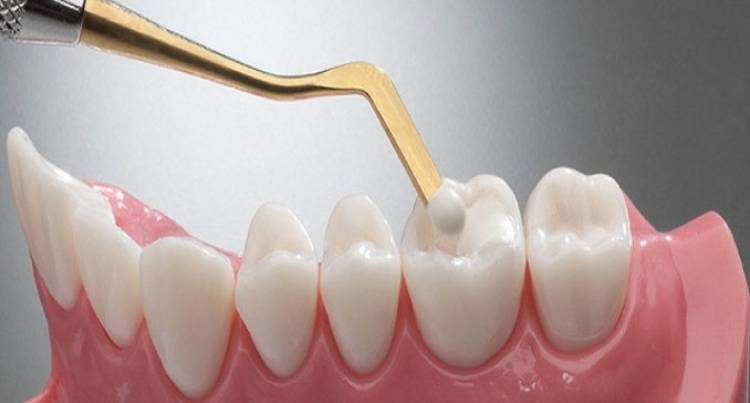
However, dental composite bad breath can occur when other factors come into play. Issues such as plaque buildup, improper placement, or poor maintenance may create an environment where bacteria thrive. These bacteria, not the composite, are what lead to unpleasant smells.
Common Causes of Dental Composite Bad Breath
While many people associate bad breath with dental work, the real causes are often related to oral health conditions rather than the procedure itself. After any treatment, it’s important to understand what could contribute to odor so you can address it early.
Let’s look at the most common reasons behind dental composite bad breath.
Poor Oral Hygiene
One of the leading causes of dental composite bad breath is inadequate oral hygiene. When brushing and flossing are inconsistent, plaque can build up around the treated area.
This buildup traps bacteria and food particles, leading to odor over time. Maintaining proper oral hygiene, including daily brushing and flossing, is essential to keeping your breath fresh and your restorations clean.
Gum Disease and Inflammation
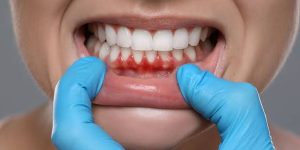
Gum Disease is another major contributor to bad breath. Inflammation of the gums creates pockets where bacteria can accumulate, producing a persistent smell.
In many cases, gum disease and bad breath are mistaken for a problem with the dental work itself. Treatments like gum disease therapy can resolve the issue and restore both gum health and breath freshness.
Improperly Placed Composite Bonding
When composite veneer or bonding is not properly fitted, small gaps or uneven surfaces can form. These areas can trap food and bacteria, leading to odor.
An experienced dentist ensures smooth, well-sealed restorations that minimize the risk of bacterial buildup. This is why choosing the right provider is critical in preventing composite bonding bad breath.
Tooth Decay Under Composite
Sometimes, dental composite bad breath is caused by hidden Tooth Decay beneath a restoration. If decay develops under a dental filling, it can produce a noticeable odor.
This is why regular check-ups and cleaning appointments are essential. Early detection can prevent more serious issues and keep your mouth healthy.
Dental Composite vs Veneers: Which Causes More Bad Breath?
Both Composite Bonding and dental veneers are popular cosmetic treatments, but neither directly causes bad breath. The difference lies in maintenance and placement.
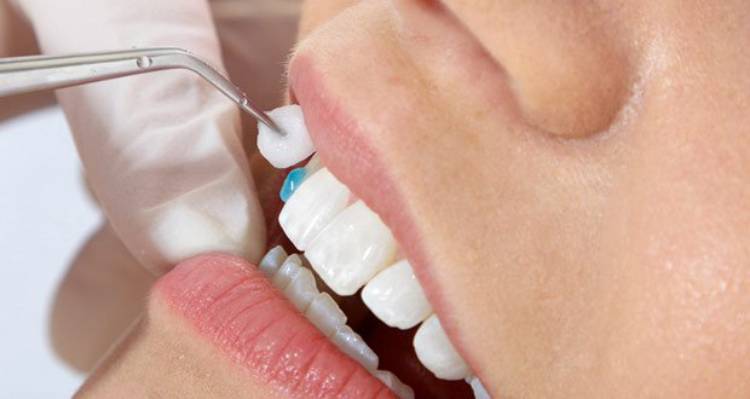
Veneers are custom-made shells that cover the tooth surface, while bonding uses resin applied directly to the tooth. If either is poorly maintained, issues like plaque buildup, veneers, or trapped debris can occur. However, with proper care, both options are safe and effective.
Ultimately, veneers bad breath and bonding-related odor share the same root causes: hygiene and dental health, not the materials themselves.
How to Prevent Bad Breath After Composite Bonding
Preventing dental composite bad breath is straightforward when you follow the right habits. A consistent routine and professional support can make a significant difference in maintaining fresh breath.
Here’s what you should focus on.
Maintain Daily Oral Hygiene
Good habits are your first line of defense. Brushing twice a day, flossing, and rinsing help remove bacteria and prevent buildup around restorations.
Pay special attention to areas around bonding or a dental bridge, where plaque can accumulate more easily. Proper care ensures long-lasting results and fresher breath.
Schedule Professional Cleanings
Regular visits for professional dental cleaning are essential. These appointments remove hardened plaque and tartar that cannot be eliminated at home.
They also allow your dentist to monitor your restorations and catch any issues early, reducing the risk of bad breath after bonding.
Choose an Experienced Dentist
The quality of your treatment plays a major role in preventing problems. Skilled professionals in Cosmetic Dentistry ensure proper placement and finishing of restorations.
Working with a trusted family dentist or a qualified dentist in Toronto helps minimize complications and ensures your results look natural and function properly.
Read more: “How to Find an Emergency Dentist Near Me: Quick and Easy Steps”
When Should You See a Dentist?
While occasional bad breath can happen, persistent odor shouldn’t be ignored. If you notice symptoms like swelling, bleeding gums, or a lingering smell, it’s time to seek professional care.
Issues such as infection, decay, or complications from a broken tooth may require immediate attention. In some cases, more advanced procedures like oral surgery may be needed to resolve underlying problems.
Say Goodbye to Bad Breath for Good!
If you’re concerned about dental composite causing bad breath or planning to improve your smile with bonding or veneers, Pearl Dental Group is here to help. Contact us today to schedule your consultation and enjoy a fresher, healthier smile with confidence!
Is Dental Composite Safe for Long-Term Use?
Yes, Composite Bonding is considered a safe and reliable solution for long-term dental restoration. When properly maintained, it can last for years without causing issues.
Concerns about dental composite bad breath should not discourage you from choosing this treatment. With good care and regular dental visits, composite restorations remain both functional and aesthetically pleasing.
Read more: “Dental Bridge: Essential Questions to Discuss with Your Dentist”
Why Professional Dental Care Matters
At Pearl Dental Group, patients have access to comprehensive dental services, including cosmetic treatments, preventive care, and advanced restorative solutions tailored to individual needs. Whether you’re considering bonding or addressing concerns like bad breath, professional guidance ensures the best outcomes.
According to the National Institutes of Health, consistent oral hygiene and routine dental visits significantly reduce the risk of halitosis and periodontal disease. This reinforces the importance of combining expert dental care with daily habits to maintain long-term oral health.
The Truth About Dental Composite and Bad Breath
The idea that dental composite bad breath is caused by the material itself is a myth. In reality, factors like hygiene, gum health, and proper dental work play a much bigger role.
By maintaining good habits and visiting your dentist regularly, you can enjoy the benefits of cosmetic dentistry without worrying about bad breath. With the right care, your smile can stay both beautiful and fresh.
Read more: “Can Cosmetic Composite Cause Tooth Decay?”
FAQ
1. Does dental composite cause bad breath?
No, composite materials do not cause odor on their own. Bad breath usually comes from bacteria, poor hygiene, or underlying dental issues.
2. Can veneers lead to bad breath?
Veneers themselves don’t cause bad breath. However, poor cleaning or improper placement can trap bacteria and lead to odor.
3. What causes bad breath after dental work?
It’s often due to plaque buildup, gum disease, or hidden decay. These issues can develop if oral hygiene is not properly maintained.
4. How can I prevent bad breath after bonding?
Maintain good oral hygiene and attend regular dental checkups. Professional cleanings and proper care will keep your breath fresh.
Have you ever experienced bad breath after dental bonding or veneers?
We’d love to hear your story! Share your experience in the comments so others can learn from your journey and discover tips for keeping their smile fresh and healthy.