

A confident smile can affect far more than appearance alone. Many people feel self-conscious about stained teeth, chipped enamel, uneven spacing, or missing teeth, and these concerns often influence confidence in social and professional situations. That is why cosmetic dentistry continues to grow in popularity among patients looking to improve both appearance and overall oral comfort.
Today, modern dental care offers several treatment options, ranging from simple teeth whitening procedures to full smile makeovers. However, not every treatment is right for every patient. The best cosmetic dentistry options for you depend on your oral health, smile goals, budget, and long-term expectations.
In this guide, we will explain the most common cosmetic dental procedures, how they work, who may benefit from them, and what factors to consider before choosing treatment.
What Is Cosmetic Dentistry?
Cosmetic dentistry focuses on improving the appearance of teeth, gums, and smiles. While many cosmetic procedures are primarily aesthetic, some treatments can also improve comfort, bite function, and overall oral health.
Before choosing treatment, it helps to understand how cosmetic procedures differ from traditional dental care and which patients may benefit most from them.

How cosmetic dentistry improves smile appearance
Cosmetic procedures can address a wide range of concerns, including discoloration, uneven spacing, worn enamel, cracks, chips, and missing teeth. Treatments such as dental veneers, bonding, crowns, and whitening help create a brighter and more balanced smile.
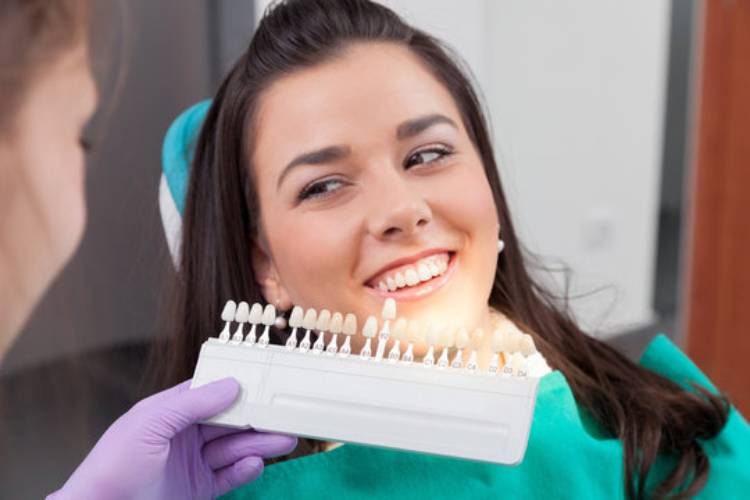
Many patients searching for the best cosmetic dentistry options are not necessarily looking for a dramatic transformation. Sometimes small changes can make a noticeable difference in overall appearance and confidence.
Difference between cosmetic and restorative dental treatments
Cosmetic treatments focus primarily on appearance, while restorative dentistry aims to repair damaged teeth and restore oral function. However, the two often overlap. For example, dental crowns may strengthen a damaged tooth while also improving its appearance.
Similarly, dental implants replace missing teeth both functionally and aesthetically. This combination of health and appearance is why many modern dental practices blend cosmetic and restorative care together.
Who may benefit from cosmetic dental procedures?
Cosmetic dental procedures may help people with stained teeth, uneven alignment, chipped enamel, gaps, old dental work, or missing teeth. Patients considering Cosmetic dentistry Toronto services often want treatments that improve confidence while still looking natural.
A professional dental assessment is important because not every patient is automatically a good candidate for every cosmetic procedure.
Best Cosmetic Dentistry Options for You
Modern dentistry offers many ways to improve the appearance of a smile. Some procedures are simple and minimally invasive, while others involve more comprehensive treatment planning.
Understanding the purpose of each option can help patients identify the best cosmetic dentistry options for you based on individual concerns and priorities.
Teeth whitening for stained or discolored teeth
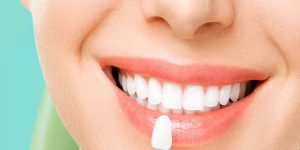
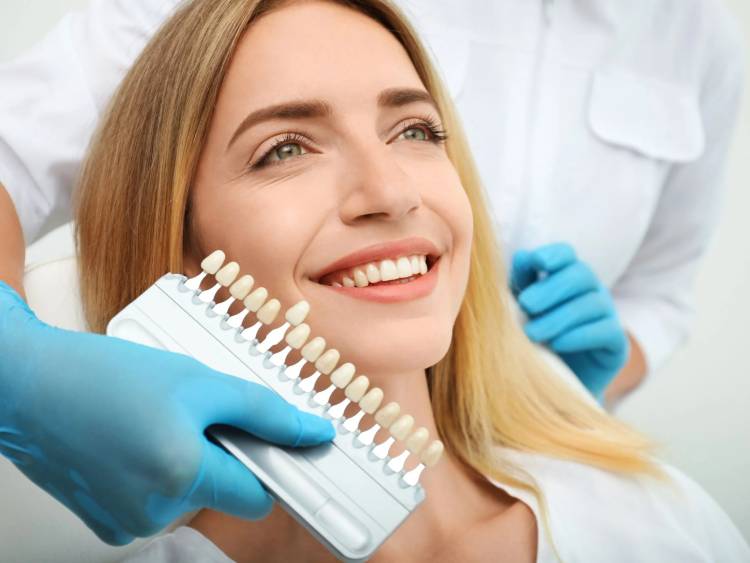
Professional teeth whitening remains one of the most common cosmetic procedures because it can noticeably brighten teeth in a relatively short time. Staining may occur from coffee, tea, smoking, aging, or certain medications.
Professional whitening treatments usually work more effectively than over-the-counter products because they use stronger bleaching agents under professional supervision. Some patients also choose Zoom teeth whitening for faster results during in-office visits.
Dental veneers for chipped or uneven teeth
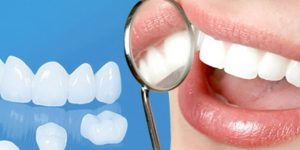
Dental veneers are thin shells placed over the front surface of teeth to improve shape, color, and symmetry. They are commonly used for chipped teeth, uneven spacing, discoloration, or worn enamel.
Patients may choose between porcelain veneer restorations and composite veneers based on their cosmetic goals, durability expectations, and budget. Porcelain veneers generally resist staining better and often provide longer-lasting results.
Invisalign and clear aligners for straighter teeth
Many adults want straighter teeth without traditional metal braces. Invisalign and other clear aligners gradually move teeth with transparent, removable trays that are less noticeable.
This option may help patients with mild to moderate crowding, spacing, or alignment concerns. Orthodontic treatment is often considered one of the best cosmetic dentistry options for you because straighter teeth can improve both appearance and access to oral hygiene.
Dental bonding for small cosmetic repairs
Dental bonding uses tooth-colored resin to repair small chips, cracks, gaps, or uneven edges. It is usually less invasive and more affordable than veneers.
Bonding can often be completed in a single appointment, making it a practical option for patients seeking minor cosmetic improvements without extensive treatment.
Dental crowns for damaged teeth
When teeth are heavily worn, fractured, or weakened, dental crowns may provide both cosmetic and structural benefits. Crowns completely cover the visible portion of a tooth and can improve shape, strength, and appearance.
This type of treatment is commonly recommended when damage is too extensive for simple bonding or fillings.
Dental implants for missing teeth
Missing teeth can affect speech, chewing, jaw support, and confidence. Dental implants are considered one of the most stable long-term solutions for tooth replacement because they replace both the tooth root and visible crown. Unlike removable dentures, implants are fixed in place and help maintain jawbone support over time.
How to Choose the Right Cosmetic Dental Treatment
Not every cosmetic procedure suits every patient. Treatment recommendations vary based on oral health, lifestyle habits, expectations, and long-term maintenance goals. Patients researching the best cosmetic dentistry options for themselves should focus on individualized care rather than trends alone.
Your smile goals and concerns
Some patients want whiter teeth, while others are focused on correcting gaps, uneven alignment, or damaged teeth. Understanding your primary concern helps narrow down which cosmetic procedures may be most appropriate.
A complete smile assessment helps determine whether a single procedure or a combination of treatments would yield better overall results.
Oral health and gum condition
Healthy gums and teeth are important before beginning cosmetic treatment. Cavities, gum disease, or untreated infections often need attention first.
Good oral health and cosmetic dentistry work closely together because cosmetic procedures tend to last longer when the underlying dental health is stable.
Budget and maintenance considerations
Cosmetic procedures vary widely in cost, longevity, and maintenance needs. Whitening treatments may require touch-ups over time, while veneers and implants involve higher initial costs but may last much longer. Patients should also consider future maintenance, dental hygiene habits, and lifestyle factors before committing to treatment.
Importance of a cosmetic dental consultation
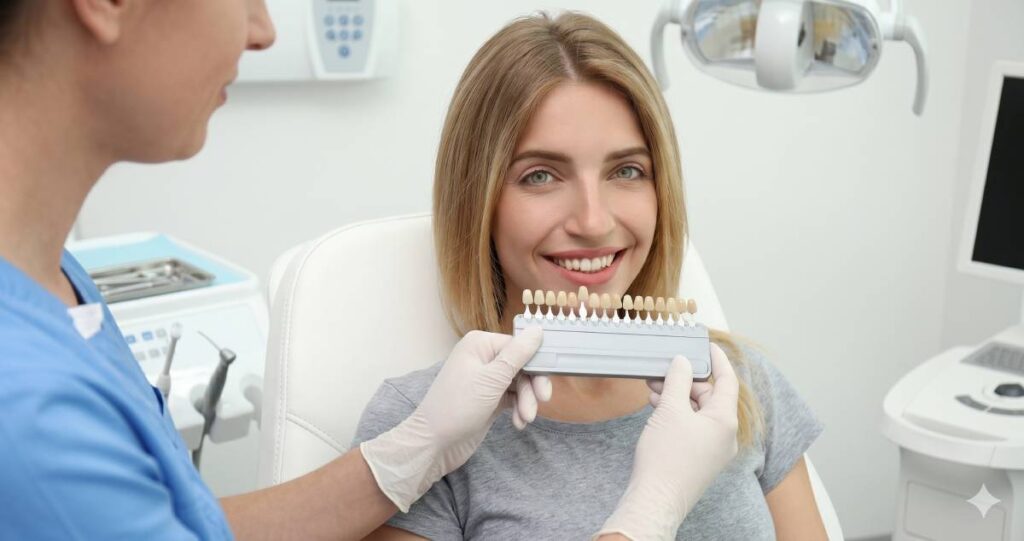
A professional consultation helps patients understand realistic expectations, treatment limitations, and available options. Dentists may use imaging, photographs, or digital scans to help visualize potential results. This step is essential for choosing the best cosmetic dentistry options for you safely and effectively.
What to Expect During a Cosmetic Dentistry Consultation
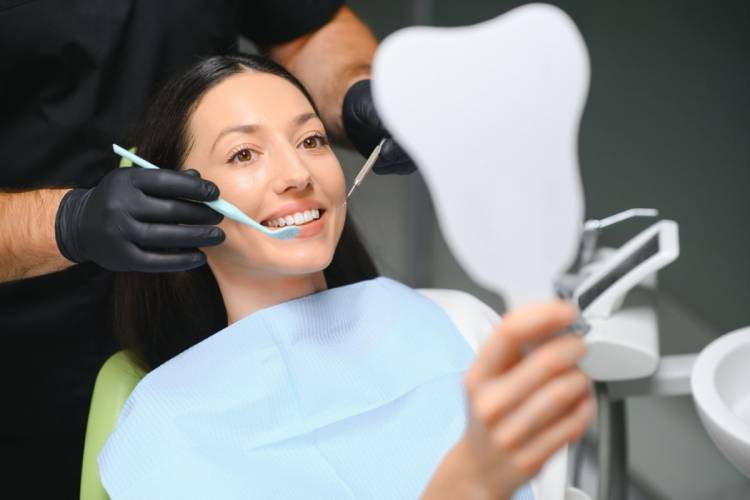
Many people feel uncertain before cosmetic treatment because they are unsure how the process works. A consultation allows dentists to evaluate oral health and create a personalized treatment plan. The next steps usually involve assessment, planning, and discussion of realistic goals.
Smile assessment and dental exam
Dentists evaluate tooth condition, gum health, bite alignment, enamel wear, and existing dental restorations. This helps identify whether cosmetic treatment alone is appropriate or whether restorative care is also needed.
Digital imaging and treatment planning
Many clinics now use digital imaging technology to help patients preview possible outcomes. This planning process improves communication and allows for more personalized treatment recommendations.
Discussing treatment timeline and expected results
Some cosmetic procedures can be completed quickly, while others require multiple appointments over several months. Dentists also explain possible limitations and long-term maintenance expectations before treatment begins.
Read more: “Can Cosmetic Composite Cause Tooth Decay?”
Benefits of Cosmetic Dentistry Beyond Appearance
Cosmetic dentistry often affects more than just visual appearance. Many patients notice improvements in confidence, comfort, and motivation to maintain oral hygiene.
Improved confidence and self-esteem
Feeling more comfortable smiling can positively influence social interactions, professional confidence, and self-image. Even small cosmetic improvements may have a meaningful emotional impact.
Better oral function and comfort
Correcting damaged or misaligned teeth may improve chewing ability, bite balance, and speech comfort. Treatments such as implants or orthodontics may also support long-term oral stability.
Motivation for better oral hygiene habits
Patients often become more motivated to maintain brushing, flossing, and regular dental visits after investing in cosmetic improvements.
Things to Consider Before Cosmetic Dental Treatment
Cosmetic treatment can provide excellent results, but patients should understand that no procedure is completely maintenance-free.
Longevity of cosmetic dental procedures
Different procedures last for different periods depending on materials, habits, and oral care. Whitening may require touch-ups, while implants and veneers often last much longer with proper maintenance.
Maintenance and follow-up care
Regular dental cleanings and checkups help protect cosmetic work over time. Habits such as smoking, teeth grinding, or poor oral hygiene may shorten treatment lifespan.
Realistic expectations for smile results
Cosmetic dentistry can significantly improve smiles, but perfection is not always realistic. Natural-looking results often provide the healthiest and most balanced outcome.
Ready to Improve Your Smile?
If you’re considering cosmetic dentistry, the first step is a professional consultation to understand which treatment fits your smile goals and oral health needs. At Pear Dental Group, our team focuses on cosmetic dental care designed around your individual needs.
Common Cosmetic Dentistry Mistakes to Avoid
Patients sometimes focus too heavily on trends or cost without fully understanding long-term considerations.
Choosing treatment based only on price
Lower-cost procedures are not always the best long-term investment. Quality materials, professional planning, and experienced providers matter greatly in cosmetic dentistry. In some cases, choosing treatment based only on cost may lead to repairs, replacements, or unsatisfactory results sooner than expected.
Ignoring underlying dental problems
Cosmetic treatment should not cover untreated decay, gum disease, or structural damage. Oral health problems need proper treatment first. Addressing these issues early can help improve both the safety and long-term success of cosmetic dental procedures.
Expecting unrealistic cosmetic results
Overly white teeth or unnatural smile shapes may not suit every face. Personalized treatment planning usually creates more balanced and natural-looking results. A skilled cosmetic dentist focuses on enhancing your natural smile while keeping your facial features, bite, and overall oral health in harmony.
Read more: “Who Can Use Cosmetic Dentistry Services?”
A Note About Professional Cosmetic Dental Care
Cosmetic dental treatment should always be guided by professional evaluation rather than trends or quick decisions. A proper assessment ensures that both appearance and oral health are considered together before starting any procedure.
Why personalized treatment planning matters
Every patient has unique smile goals, oral health conditions, and treatment expectations. Personalized evaluations help ensure cosmetic procedures are both safe and appropriate. It also allows the cosmetic dentist to recommend treatments that actually fit your bite, facial structure, and long-term dental needs, rather than a one-size-fits-all approach.
Importance of long-term oral health before cosmetic treatment
Strong gums, healthy enamel, and stable oral health create a better foundation for long-lasting cosmetic results. When underlying issues like decay or gum inflammation are treated first, cosmetic procedures tend to last longer and look more natural. This step also reduces the risk of complications after treatment
Read more: “Cosmetic Dentistry vs. General Dentistry.”
Professional Dental Services
At Pearl Dental Group, patient care is based on individual oral health needs rather than one-size-fits-all cosmetic recommendations. The clinic provides professional dental services, including cosmetic dentistry, restorative dentistry, dental implants, veneers, crowns, Invisalign, dental hygiene care, smile evaluations, and other patient-related dental treatments. This article is intended for educational purposes only and should not replace personalized diagnosis, treatment planning, or professional dental consultation.
Conclusion
Choosing the best cosmetic dentistry options for you depends on understanding your smile goals, oral health condition, lifestyle, and budget. Treatments such as whitening, veneers, Invisalign, bonding, crowns, and implants can all improve the appearance of the smile when selected appropriately and planned carefully.
Cosmetic dentistry is not only about aesthetics. Many procedures can also support comfort, confidence, and long-term oral function. Working with a qualified dental professional helps ensure treatments are personalized, realistic, and designed to support both appearance and overall dental health.
According to the Cleveland Clinic, cosmetic dentistry encompasses a wide range of procedures that improve both the appearance and the overall balance of the smile, underscoring that treatment planning should always consider multiple factors beyond appearance alone.
FAQ
1. What is the most common cosmetic dentistry treatment?
Professional teeth whitening is one of the most commonly requested cosmetic dental procedures because it can quickly brighten the smile.
2. How long does teeth whitening last?
Results vary depending on diet, smoking habits, and oral hygiene, but professional whitening may last several months to a few years with maintenance.
3. Is Invisalign considered cosmetic dentistry?
Yes. Invisalign is commonly considered both an orthodontic and a cosmetic treatment because it improves tooth alignment and the appearance of the smile.
4. What is the difference between bonding and veneers?
Bonding uses composite resin for smaller repairs, while veneers cover a larger portion of the tooth surface and often provide more dramatic cosmetic changes.
Have you ever considered cosmetic dental treatment or tried any smile-improvement procedures, such as teeth whitening or veneers? We’d love to hear your thoughts and experiences. Share your story in the comments; your experience might help someone else decide on the best option for their smile.