

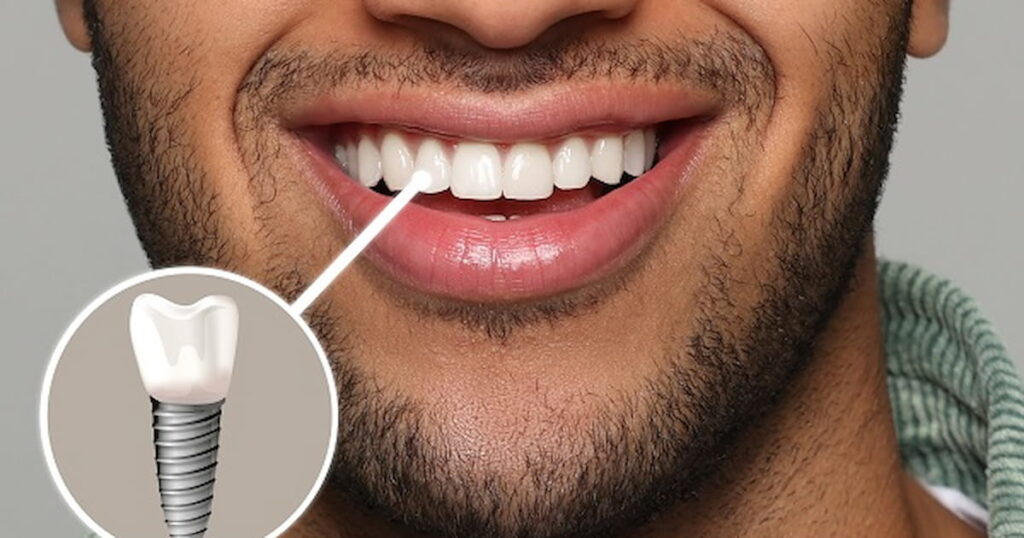
One of the most discussed innovations in modern implant dentistry is screwless dental implants. These advanced implant systems eliminate the need for traditional retaining screws by using a precision-engineered connection between the implant and restoration.
So, are screwless dental implants truly the future of tooth replacement?
For many patients, the answer may be yes. Screwless implant systems are designed to improve aesthetics, reduce certain complications associated with traditional implants, and create a more secure seal between implant components. While they are not the right choice for every situation, they represent an important advancement in implant dentistry and may offer significant benefits for carefully selected patients.
Understanding how these screwless dental implants work can help you determine whether they may be a suitable option for restoring your smile.
What Are Screwless Dental Implants?
Screwless dental implants are implant systems that connect the dental crown or restoration to the implant without using a visible or internal retaining screw. Instead, they rely on a highly precise friction-fit or locking-taper connection that securely joins the components.
The result is a restoration that functions similarly to a traditional implant while using a different method of attachment. If you are comparing different tooth replacement options, you may also find it helpful to learn about the differences between dental implants and dental bridges.
Understanding the Implant Structure
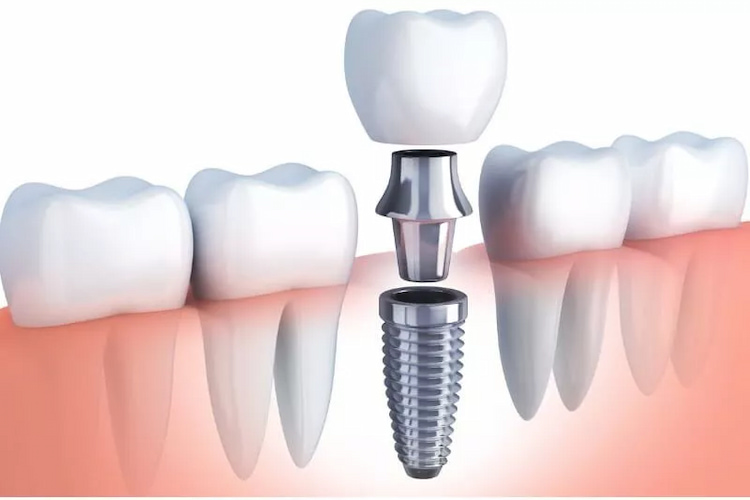
Like traditional implants, screwless systems generally include three primary components:
• The implant that is placed within the jawbone
• The restoration that replaces the visible tooth
An intermediate connection is used to securely join these components without relying on a screw.
How the Connection Works
Many screwless systems use a locking taper design, sometimes referred to as a Morse taper connection. The components are manufactured with extremely tight tolerances, creating a secure mechanical bond when joined.
This connection can provide excellent stability while minimizing tiny gaps where bacteria might otherwise accumulate.
Read our guide on the top dental implant brands.
Benefits of Screwless Dental Implants
Many patients are interested in screwless implants because of the potential advantages they may offer:
- Improved Aesthetics: Without visible screw access openings, restorations may achieve a cleaner and more natural appearance. This can be especially valuable when replacing front teeth where cosmetic results are particularly important.
- Reduced Risk of Screw Complications: Because there is no retaining screw, complications associated with screw loosening or screw fracture may be reduced. While all dental restorations require monitoring, removing the screw eliminates one potential source of maintenance.
- Enhanced Implant Seal: The tight connection between components may help create a stronger seal between the implant and restoration.
- Comfort and Stability: Patients often report that implant restorations feel secure and natural during everyday activities such as eating and speaking. A properly designed screwless system can provide excellent functional performance.
How Screwless Dental Implants Differ from Traditional Implants
Understanding the differences between implant systems helps patients make informed treatment decisions. For patients interested in seeing how this approach works in clinical practice, Bicon provides an educational video demonstrating a screwless, cementless technique for restoring single-tooth implants.
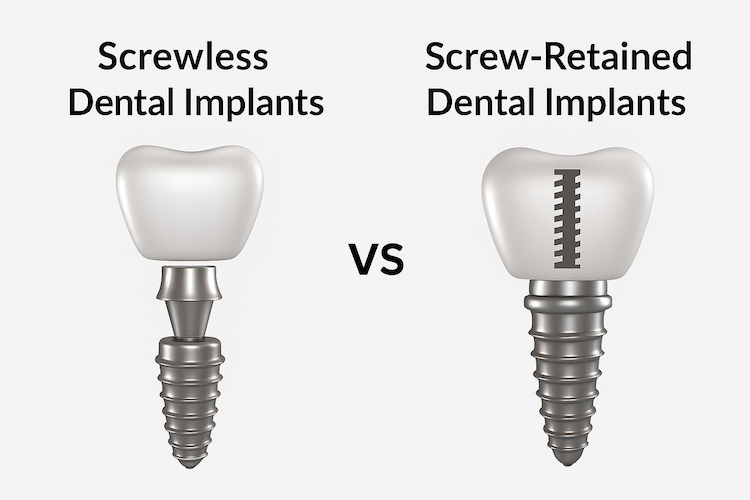
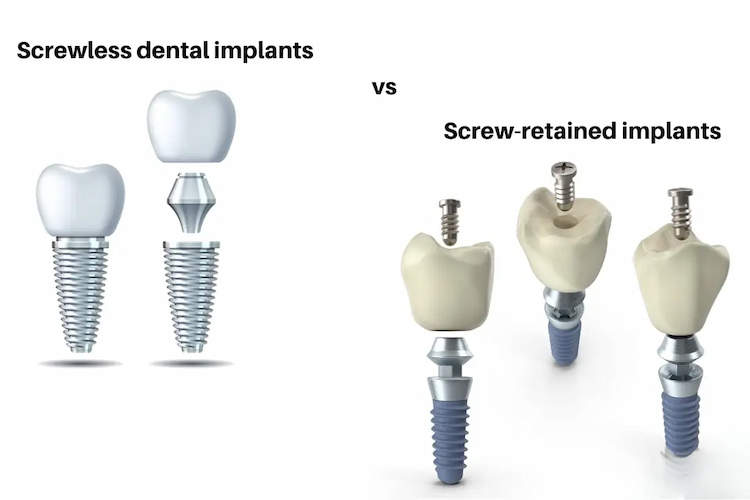
Screwless vs. Screw-Retained Implants
Traditional screw-retained implants use a screw to attach the crown or restoration to the implant. While effective, screws can occasionally loosen over time and may require adjustment.
Screwless implants eliminate the need for this attachment method by using a precision-fit connection.
Screwless vs Cement Retained Implants
Cement-retained restorations rely on dental cement to hold the crown in place. Although this approach can provide good aesthetics, excess cement left beneath the gums may contribute to inflammation or peri-implant complications in some cases.
Screwless systems avoid both retention screws and excess cement. If you are exploring different ways to replace missing teeth, it can also be helpful to learn about the most common tooth replacement options and how they compare to modern implant solutions.
The Role of Osseointegration in Implant Success
Regardless of the implant design, successful treatment depends on osseointegration. Osseointegration is the process through which the jawbone grows around and bonds with the implant surface. This biological connection provides the stability necessary to support chewing forces over many years.
Without successful osseointegration, no implant system can perform effectively. Factors that influence success include bone quality, oral hygiene, overall health, and proper treatment planning.
Are There Any Limitations to Screwless Dental Implants?
Although screwless implants offer many benefits, they are not ideal for every patient or clinical situation. Certain cases may be better suited to traditional implant designs depending on the patient’s anatomy, bite forces, and treatment goals.
A comprehensive examination is necessary before determining the most appropriate solution. All dental implants require regular professional examinations and home care. Even advanced implant systems can develop complications if proper oral hygiene is neglected.
Not every dental office uses the same implant systems. Treatment options may vary depending on the available technology and the implant provider’s experience.
Considering Dental Implants?
At Pearl Dental Group, we provide personalized implant consultations to help patients explore modern tooth replacement options. Book an appointment today!
Who May Be a Good Candidate for Screwless Dental Implants?
Many of the same requirements that apply to traditional implants also apply to screwless systems. Candidates often include:
- People missing a single tooth.
- Patients replacing multiple missing teeth.
- Individuals seeking highly natural cosmetic results.
- Patients with sufficient jawbone support.
- People who are committed to maintaining good oral hygiene.
A consultation and diagnostic assessment are necessary to determine candidacy. You may also find it helpful to compare restorative and cosmetic treatment options by reading our guide on dental implants vs veneers.
Choosing the Right Implant Solution for Your Smile
The best implant solution is not necessarily the newest one. It is the option that best matches your oral health needs, bone structure, cosmetic goals, and long-term expectations.
An experienced dental professional can evaluate your condition and recommend a treatment plan based on your unique situation. Whether traditional implants or screwless systems are recommended, the ultimate goal remains the same: restoring function, comfort, and confidence.
Dr. Ehsan Bayegan is dedicated to helping patients achieve healthier smiles through advanced periodontal care, dental implant treatment, and surgical procedures.
Screwless Dental Implants May Shape the Future of Your Smile
Screwless dental implants represent an exciting advancement in modern tooth replacement, offering a unique approach that focuses on stability, aesthetics, and long-term oral health. While they may not be the ideal solution for every patient, they demonstrate how dental implant technology continues to evolve to improve treatment outcomes and patient comfort.
Whether you are missing a single tooth or multiple teeth, understanding your treatment options is an important first step toward restoring your smile. A thorough dental evaluation can help determine whether screwless dental implants or another implant solution is the most appropriate choice based on your oral health, bone structure, and long-term goals.
At Pearl Dental Group, our team provides comprehensive dental implant treatment, periodontal care, bone grafting, implant-supported restorations, full mouth rehabilitation, cosmetic dentistry, dental crowns, dental bridges, and preventive dental care. We are committed to helping patients achieve healthy, functional, and confident smiles through personalized treatment planning and advanced dental solutions.
Disclaimer: Screwless dental implants may not be suitable for every patient. Treatment recommendations depend on several factors, including oral health, bone quality, medical history, and individual treatment goals. A professional examination and consultation with a qualified dental professional are necessary to determine the most appropriate tooth replacement option for your specific needs.
FAQ
-
What are screwless dental implants?
Screwless dental implants are implant systems that use a friction-fit or locking-taper connection instead of a retaining screw to secure the restoration.
-
Are screwless dental implants better than traditional implants?
Neither option is universally better. The ideal choice depends on the patient’s oral health, anatomy, treatment goals, and clinical needs.
-
How long do screwless dental implants last?
With proper care and maintenance, screwless dental implants can provide long-lasting results comparable to traditional implant systems.
-
Are screwless dental implants safe?
Yes. Modern screwless implant systems are designed using advanced engineering principles and have demonstrated successful clinical outcomes.
-
Do screwless dental implants require special care?
Daily brushing, flossing, and routine dental examinations remain essential regardless of the implant system used.
-
Can screwless implants replace front teeth?
Yes. Their aesthetic advantages often make them an attractive option for replacing visible front teeth.
-
How much do screwless dental implants cost?
Costs vary depending on the number of implants needed, restorative materials, bone conditions, and treatment complexity.
Have questions about screwless dental implants or your tooth replacement options?
Leave a comment below!